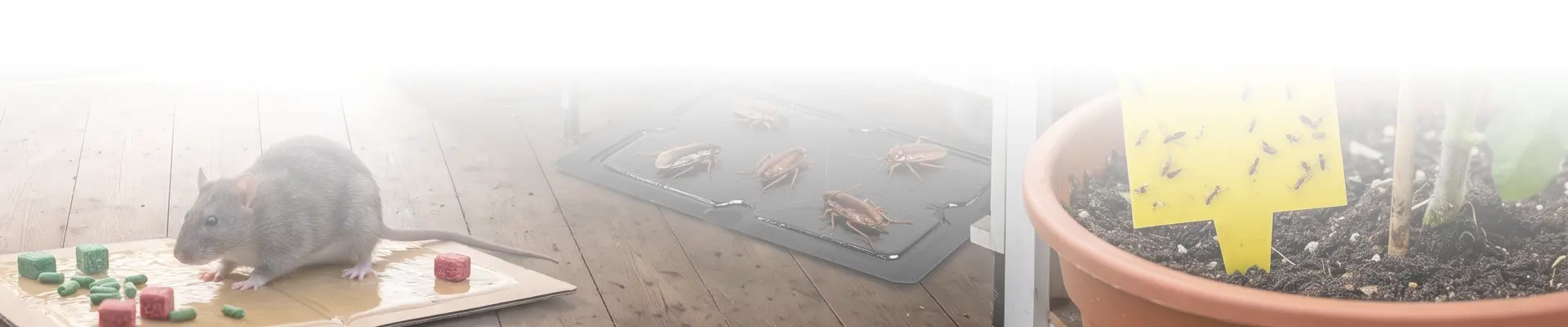
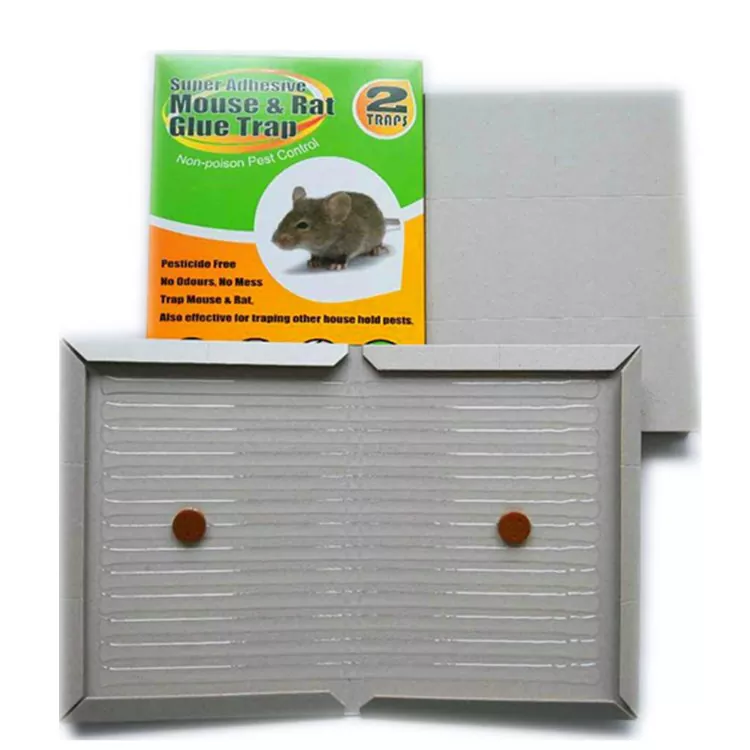
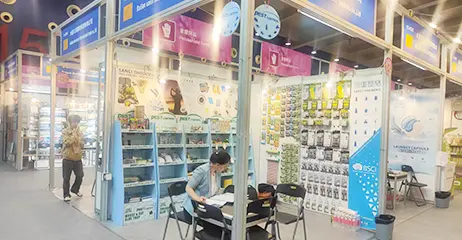
GOLDEN-CAT mouse glue traps are produced by Dalian Golden-Cat Rodenticide Co., Ltd. in Dalian, China, a manufacturer that has supplied adhesive pest control products since 1984. The range includes flat card boards, folded tent boards and rigid plastic trays, supplied to PCOs, facility management teams, distributors and retail buyers. Export markets include Europe, North America, Southeast Asia and the Middle East. Adhesive composition statements, board material statements and samples can be supplied before an order is confirmed.
Formats in the Range
The format matters more than the glue. The same adhesive class performs differently on a card board and on a plastic tray, and the choice is usually decided by the position rather than by the catch rate.
|
Format
|
Base
|
Typical size
|
Best position
|
Limitation
|
|
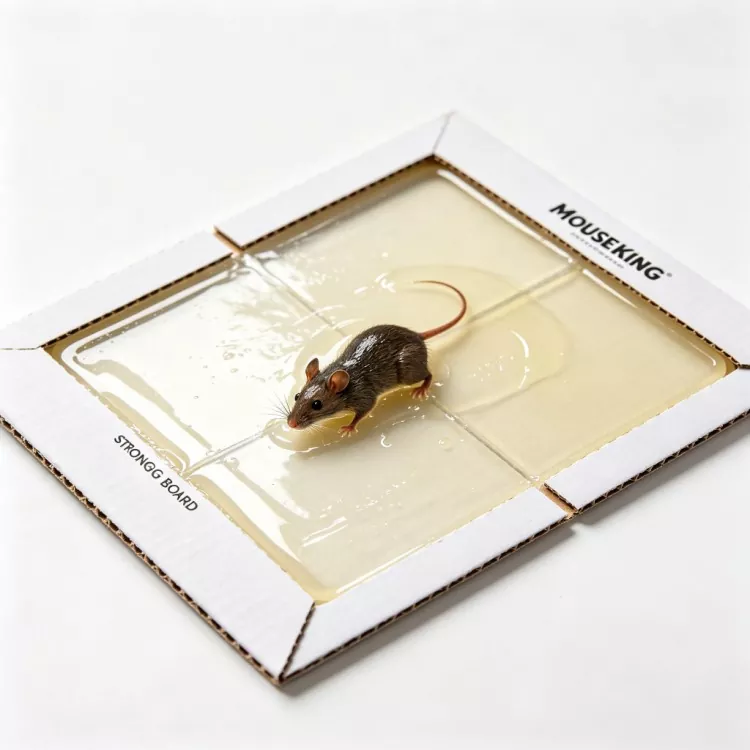
Flat card board
|
Corrugated cardboard
|
25 × 12 cm to 33 × 21.5 cm
|
Along wall bases, under furniture, dry indoor
|
Softens and curls in damp positions
|
|
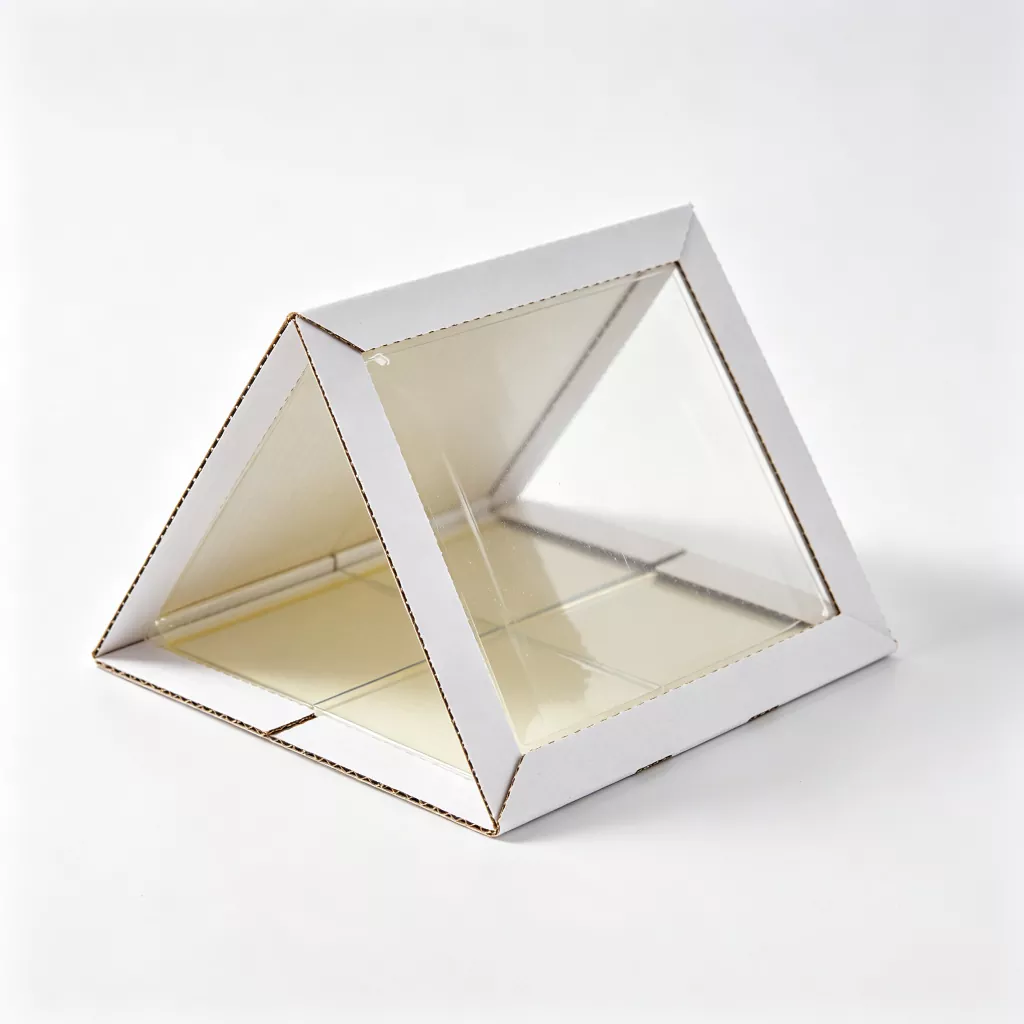
Folded tent board
|
Cardboard with score lines
|
33 × 21.5 cm
|
Dusty warehouses, feed stores, wall runways
|
Not a tamper-resistant station
|
|
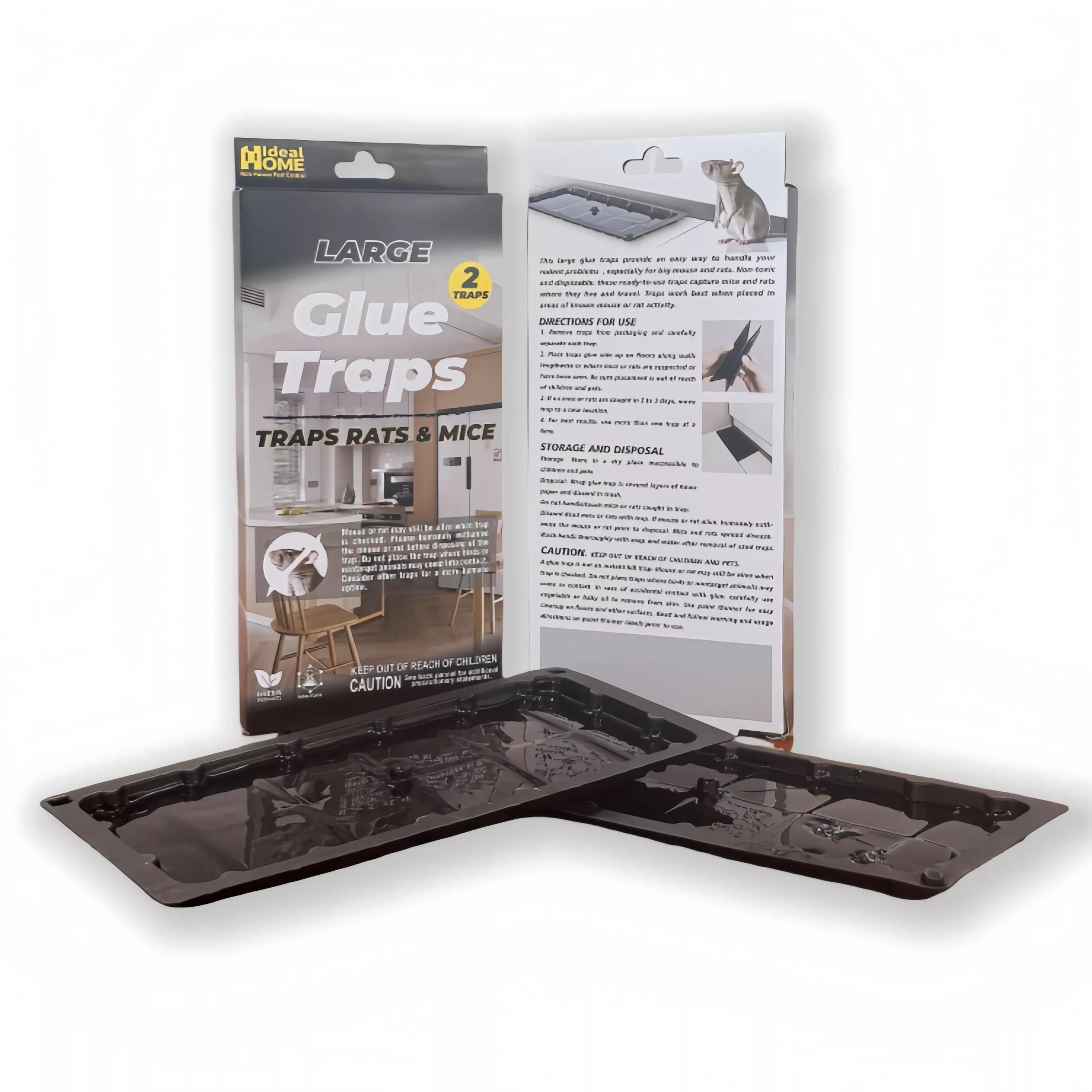
Plastic tray board
|
Rigid PP tray
|
25 × 12 cm
|
Kitchens, basements, wash-down areas
|
Higher unit cost, larger waste volume
|
|
Pre-baited board
|
Cardboard with food attractant
|
33 × 21.5 cm
|
Household and retail, low to moderate activity
|
Attractant fades after the seal is opened
|
|
Large board for rats
|
Cardboard or tray
|
Wider format on request
|
Mixed mouse and rat pressure
|
A large rat may still pull free from a card board
|
Specification Summary
|
Parameter
|
Specification
|
|
Adhesive
|
Non-drying pressure-sensitive glue, no pesticide active ingredient
|
|
Adhesive faces
|
Single-sided or double-sided, depending on format
|
|
Target pests
|
Mice, small rats, cockroaches, spiders and other crawling insects
|
|
Board color
|
Natural brown card, white board, black or white plastic tray
|
|
Shelf life
|
24 months sealed, cool and dry
|
|
Retail pack
|
1, 2, 4 or 6 pcs per box, depending on format
|
|
Export carton
|
60 to 200 pcs, depending on board size
|
What Changes the Catch
Four conditions move the result before the population changes. A service check should look at all four rather than only at whether the board is full.
|
Condition
|
Effect
|
What to do
|
|
Dust and flour
|
Forms a film on the surface and reduces tack before the board is full
|
Replace at 3 to 6 weeks in dusty stores
|
|
Damp floor or high humidity
|
Card softens and curls, lifting the glue off the floor
|
Use a plastic tray in wet or wash-down areas
|
|
Heat source or direct sun
|
Adhesive softens and a larger rodent can pull free
|
Keep the board away from radiators, ovens and windows
|
|
Cold room or freezer
|
Tack drops below the standard formulation's range
|
Specify a low-temperature adhesive grade before ordering
|
Placement
Mice follow edges. A board placed against a wall, a cabinet base or a pipe run catches more than the same board in the middle of a floor. The long edge goes against the surface, and the glue faces up.
Common points are corners, behind appliances, under shelving, inside a cabinet base and near a door or a wall penetration. In a maintenance program, boards are placed every 2 to 3 metres along the active wall and checked weekly. In an active infestation, they are checked daily near the suspected entry point.
A cardboard board should not be placed on a wet floor or in a position where water pools under it. Where the position is damp, a plastic tray is the correct format. For boards used inside a food facility, place them inside a covered station or in a hidden position, not on a food-contact surface.
Regulatory Note
The EU Commission has not proposed an EU-wide ban on rodent glue traps and has stated that regulation falls to member states. The UK restricts glue trap use under the Glue Trap (Offences) Act 2022 and the Agriculture (Wales) Act 2023, in some cases limiting use to licensed professional pest controllers and to exceptional circumstances. Check the destination market before ordering, because rules differ within a region and can change.
In a food facility, audit standards treat a glue board as one part of a monitoring system, not as a stand-alone control. Boards are usually placed inside a covered housing, checked at least monthly, numbered on a facility map and replaced when the surface loses its shine or collects dust.
Frequently Asked Questions
Can a mouse glue board catch a large rat?
The standard 25 × 12 cm board is sized for mice and small rats. A large rat can sometimes pull free or drag the board. For heavy rat pressure, use a wider board, a snap trap or a baiting program. The board is usually one part of a mixed program, not the only rat control measure.
Should I order cardboard or plastic trays?
Card for dry indoor positions, plastic for kitchens, basements and wash-down areas. The glue performs the same on both. The base decides whether the board stays flat and whether it survives moisture. A plastic tray costs more per unit and creates more waste, so it is usually reserved for positions where card fails.
Are glue traps banned in the EU or the UK?
There is no EU-wide ban on rodent glue traps at present, and regulation falls to member states. The UK has restrictions under the Glue Trap (Offences) Act 2022 and the Agriculture (Wales) Act 2023. The buyer confirms that the product is permitted in the destination market before ordering.
Does a pre-baited board need extra bait?
No. The attractant is already on the glue surface. The bait shortens the time to first contact, but it does not replace placement. A pre-baited board in the middle of a room still catches less than an unbaited board along a wall. The attractant also fades after the seal is opened, so a board left in place for months is effectively unbaited.
How often should a board be replaced?
Replace when the surface is covered, when dust or moisture has settled on the glue, when the card has softened, or at the end of the program interval. In a clean indoor position, 8 to 12 weeks is typical. In a dusty store room or a greasy kitchen, 4 to 6 weeks is more realistic. A board that looks clean can still have lost tack.
What happens if a pet touches the board?
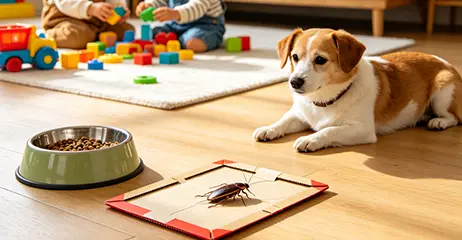
The adhesive contains no pesticide active ingredient, but it is difficult to remove from fur and hair and usually needs oil or a specialist remover. Place boards where a paw cannot reach, dispose of packaging promptly, and handle a used board with gloves. Some markets also restrict glue board use on animal welfare grounds, so check the local rules.
Related Categories
Mouse glue traps are often ordered alongside the following categories from the same manufacturer. Specifications and regulatory documents are reviewed per product.
|
Category
|
What it covers
|
Typical pairing
|
|
Rodenticide and Rodent Bait
|
Anticoagulant baits including Brodifacoum Rodenticide and Bromadiolone Rodenticide
|
Baiting program alongside glue boards for monitoring and intercept
|
|
Cockroach Glue Traps
|
Folded house traps with bait and flat survey boards
|
Kitchen and food facility programs where rodents and cockroaches occur together
|
|
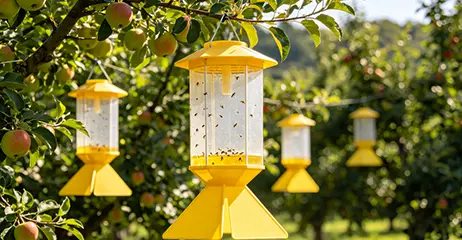
Insect Glue Trap
|
Yellow and blue boards for whiteflies, aphids and thrips
|
Greenhouse and nursery monitoring alongside structural rodent control
|
Related categories also include Fly Glue Traps, Moth Glue Traps and Insecticide Baits and Gels. Each is described on its own page so that format, size and regulatory status can be reviewed separately.