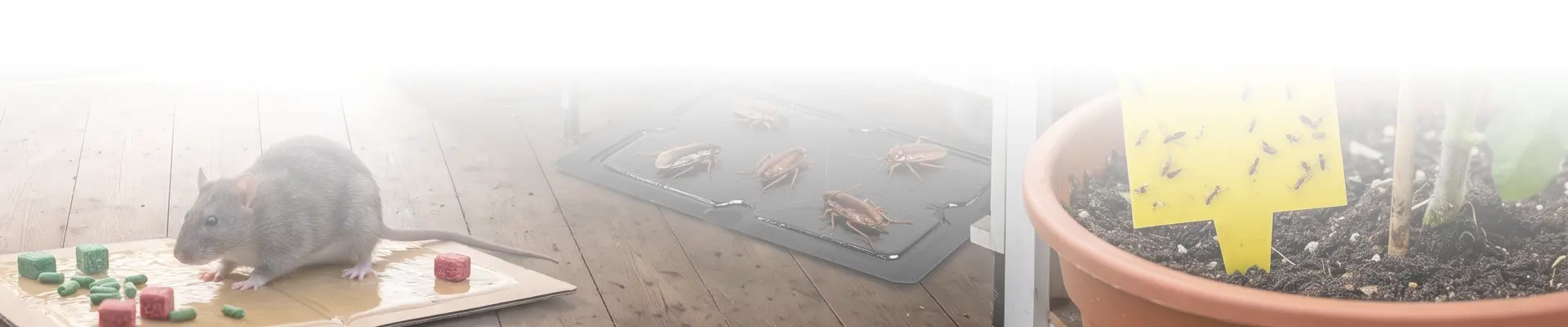
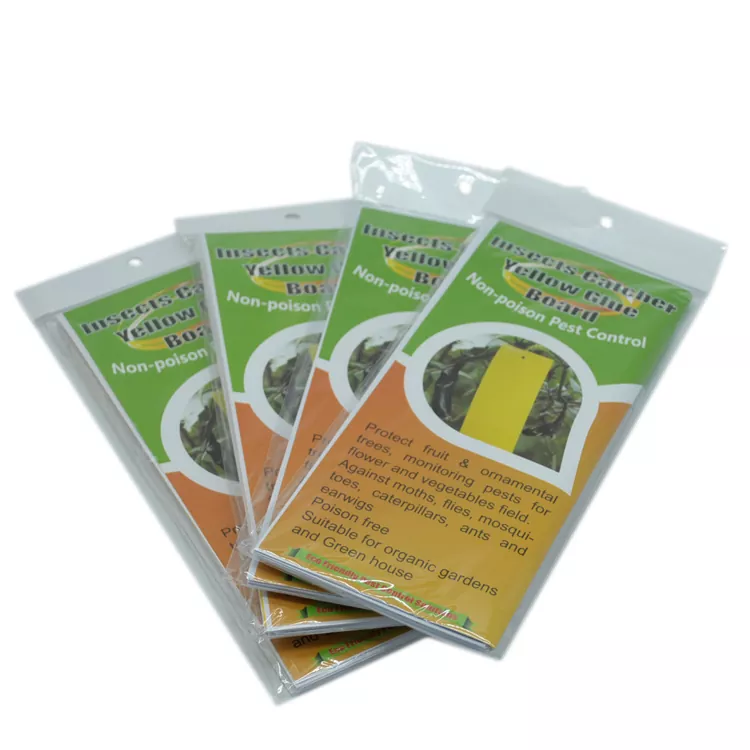
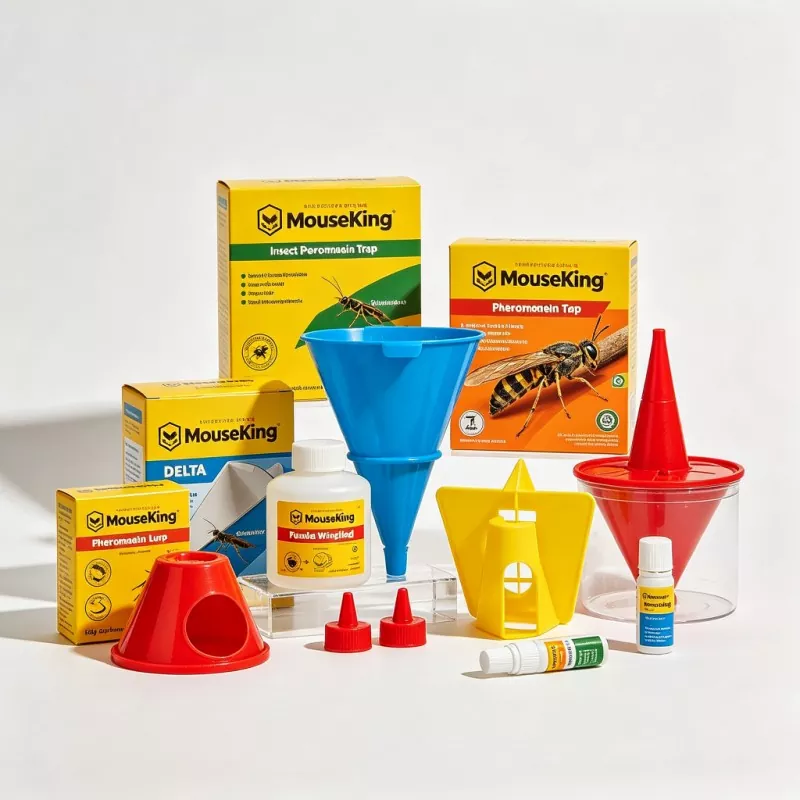
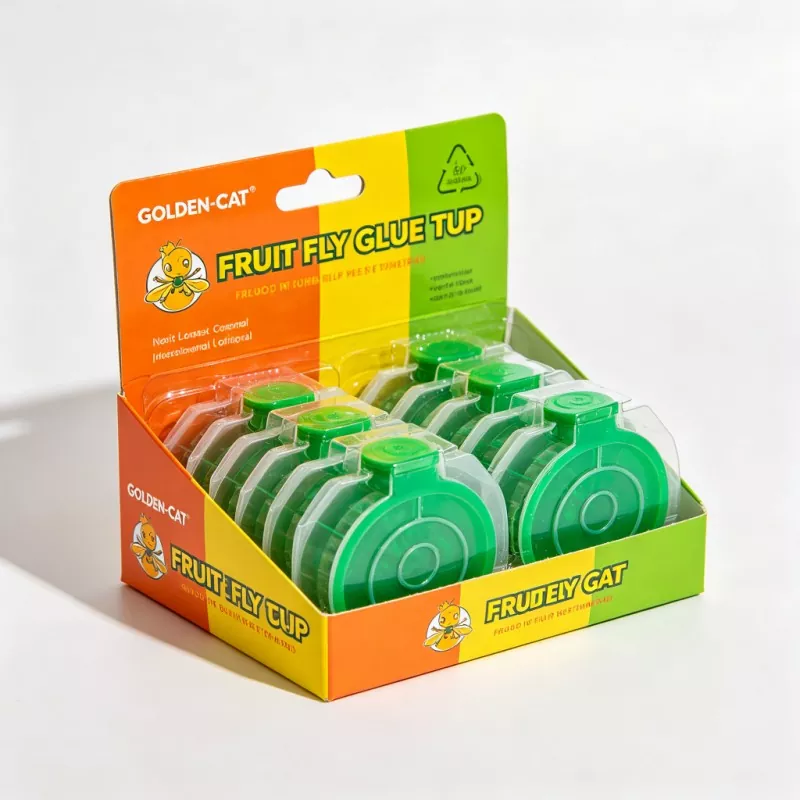
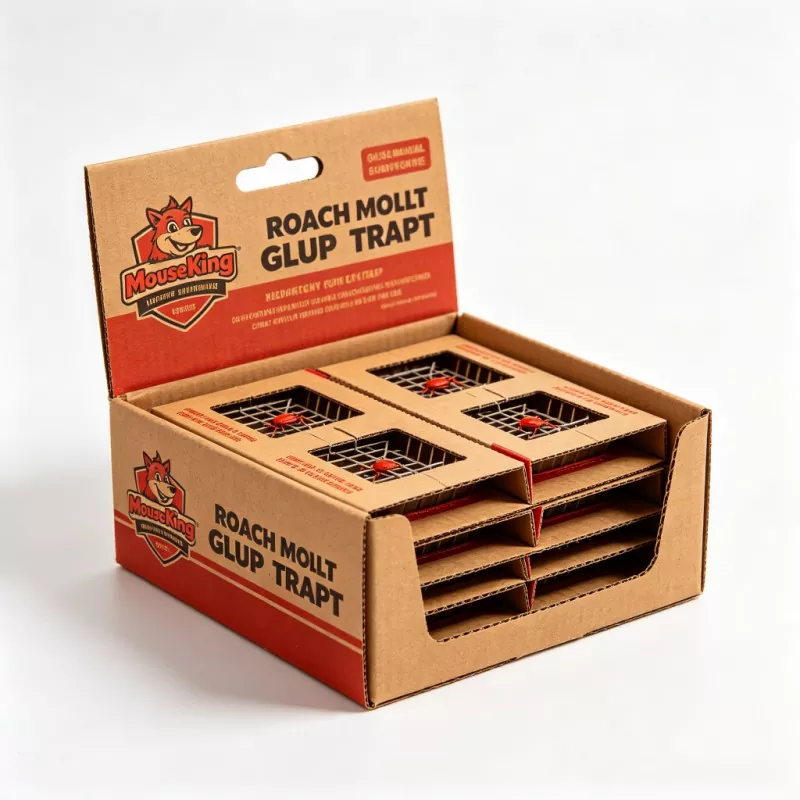
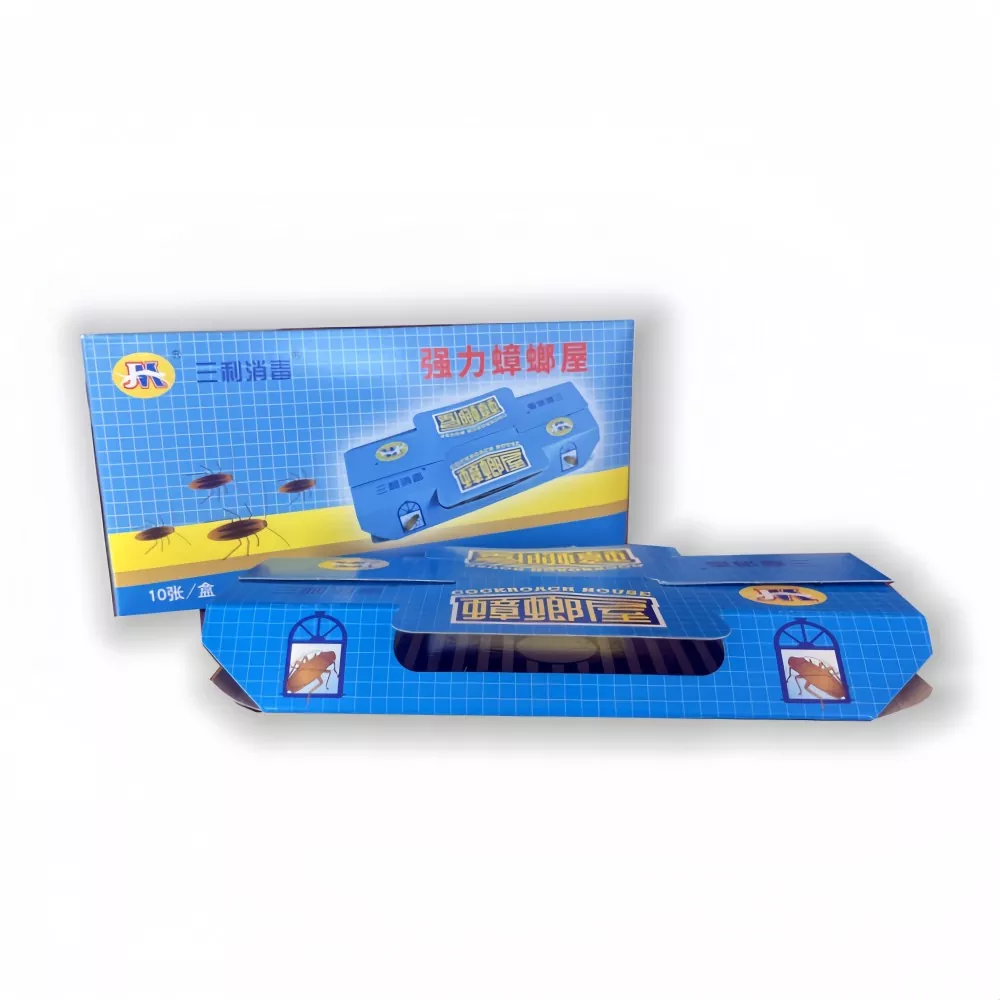
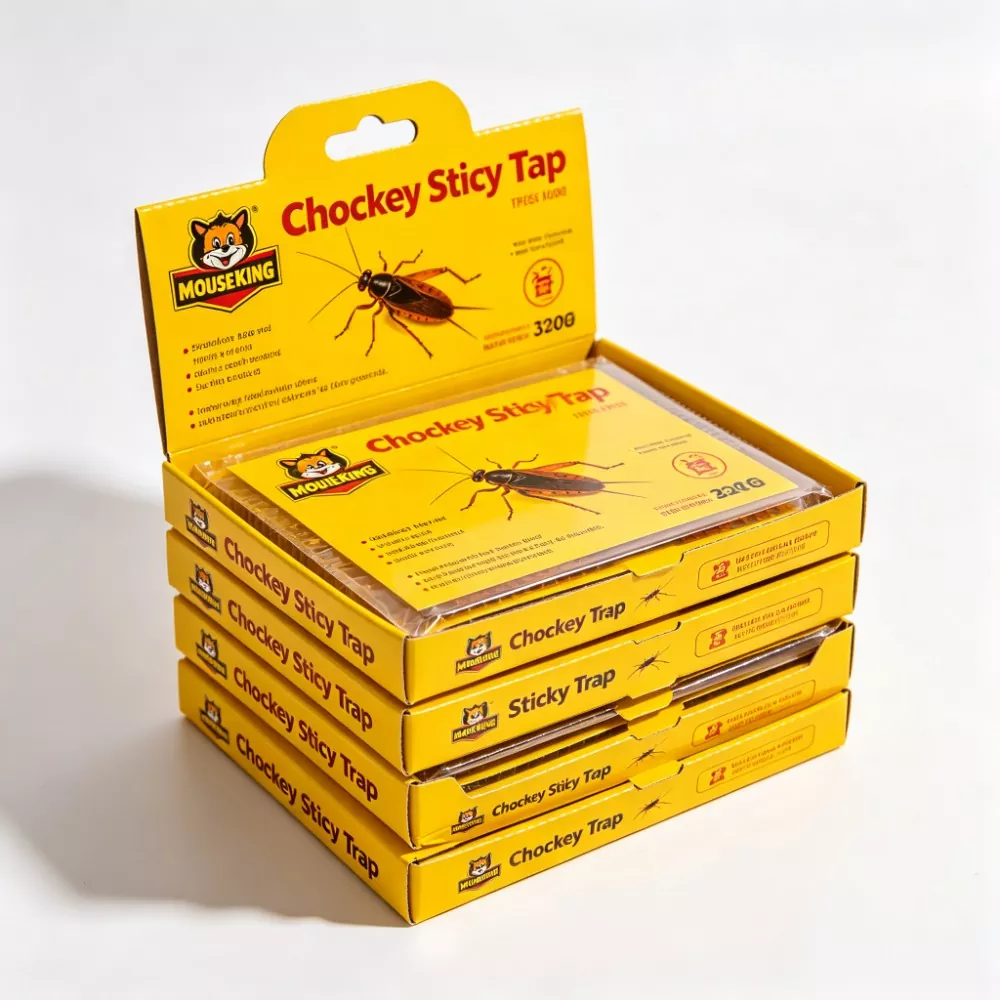
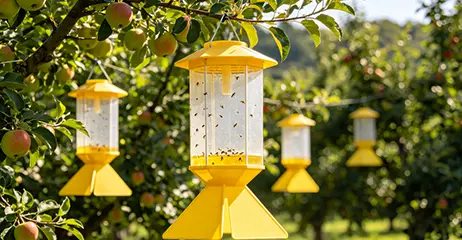
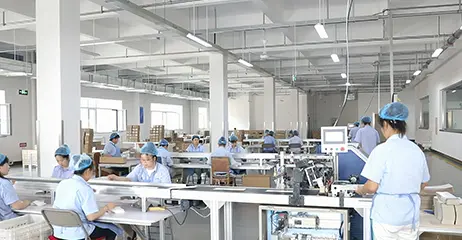
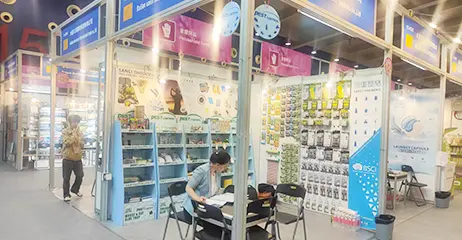
GOLDEN-CAT glue traps are manufactured by Dalian Golden-Cat Rodenticide Co., Ltd. at a facility in Dalian, China, with more than 20 years of production experience in adhesive pest control products. The range covers rodent glue boards, insect monitoring boards, cockroach survey traps and moth pheromone traps, supplied to PCOs, facility management teams, agricultural distributors and retail channels. Products are exported to markets in Europe, North America, Southeast Asia and the Middle East. Specifications, adhesive composition statements and samples are available for review before an order is confirmed.
Product Range
The category is organized by target pest and by use case, not by shelf position. A board for monitoring cockroach activity in a food plant is a different product from a board for catching mice along a warehouse wall, even when both are flat cardboard with glue.
|
Sub-category
|
Primary target
|
Typical format
|
Main use setting
|
|
Mouse Glue Traps
|
Mice, small rats
|
Flat board, folded tent, plastic tray
|
Indoor dry positions, warehouses, homes
|
|
Cockroach Glue Traps
|
Cockroaches, silverfish, crickets
|
Folded house with bait, flat survey board
|
Kitchens, food facilities, hotel rooms
|
|
Fly Glue Traps
|
House flies, blow flies, stable flies
|
Hanging ribbon, flat hanging board
|
Barns, waste rooms, loading bays, food back areas
|
|
Moth Glue Traps
|
Stored product moths, clothes moths
|
Delta pheromone trap with replaceable insert
|
Grain stores, textile collections, food warehouses
|
|
Insect Glue Traps
|
Whiteflies, aphids, thrips, leafminers
|
Yellow or blue double-sided board
|
Greenhouses, nurseries, field crops
|
What Glue Traps Do and Do Not Do
A glue trap captures by adhesion. It does not contain a pesticide active ingredient, and it does not kill chemically. This has consequences that a buyer should understand before selecting a product for a program.
What they do. Capture crawling insects, flying insects and small rodents that cross or land on the adhesive surface. Provide a physical record of activity at a fixed point. Allow a technician to inspect a catch without opening a bait station.
What they do not do. Remove harbourage, eggs, larvae or food sources. Replace sanitation, exclusion or a baiting program. Control a heavy infestation on their own. A glue trap measures and reduces activity at the point where it is placed. It does not eliminate a population that is breeding elsewhere.
Adhesive Performance and Service Life
Adhesive tack is the single most important specification, and it is the part most affected by the conditions at the point of use.
|
Condition
|
Effect on adhesive
|
Practical consequence
|
|
Dust, flour, grain dust
|
Forms a film on the surface before the board is full
|
Replace at 4 to 6 weeks instead of the label figure
|
|
Cooking grease
|
Reduces tack quickly in a kitchen position
|
Avoid placement beside a fryer or grill, or replace more often
|
|
High humidity or wash-down
|
Card base softens and curls at the edges
|
Use a plastic-backed board in wet positions
|
|
Direct sun or heat source
|
Adhesive softens and larger insects pull free
|
Avoid unshaded outdoor positions and placement against a heater
|
|
Low temperature (cold store)
|
Tack drops below the standard formulation's range
|
Specify a low-temperature adhesive grade before ordering
|
The service period stated on each product page assumes a clean, dry indoor position at ambient temperature. In a commercial kitchen, a dusty warehouse or a poultry house, the realistic replacement cycle is shorter and should be set by the program, not by the label alone.
Monitoring Use and Placement Density
Glue boards used for monitoring are placed at fixed points, checked on a fixed schedule and counted by point. Density figures depend on the setting and the purpose.
|
Setting
|
Purpose
|
Density reference
|
|
Greenhouse or nursery
|
Whitefly, aphid, thrips monitoring
|
1 yellow board per 1,000 sq ft for susceptible crops; 1 per 100 to 1,000 m² for general glasshouse monitoring
|
|
Food facility, cockroach survey
|
Activity mapping and trend
|
1 board per 10 to 15 m² routine; 1 per 5 to 8 m² for active infestation
|
|
Warehouse or distribution centre
|
Rodent and crawling insect intercept
|
Along wall bases at 5 to 10 m intervals, plus points near doors and penetrations
|
|
Barn or livestock building
|
Fly knock-down
|
1 hanging ribbon per 10 to 15 m² in the active zone; increase near waste and feed
|
A board moved between visits produces a count that cannot be compared. A monitoring grid should be numbered on a floor plan, and points should stay fixed unless a change is recorded with a date and reason.
Product Range and Formats
The formats below are described in more detail on their own pages. The table is a selection guide, not a full specification.
|
Format
|
Base
|
Best position
|
Limitation
|
|
Flat card board
|
Thick corrugated cardboard
|
Along wall bases, under furniture, dry indoor
|
Softens in wet or humid positions
|
|
Folded tent board
|
Cardboard with score lines
|
Dusty areas, along rodent runways
|
Not a tamper-resistant station
|
|
Plastic tray board
|
Rigid PP tray
|
Kitchens, basements, wash-down areas
|
Higher unit cost and larger waste volume
|
|
Folded house trap
|
Cardboard with bait and roof
|
Cockroach harbourage, food facilities
|
Bait fades after opening
|
|
Hanging ribbon or board
|
Paper or plastic with string
|
Barns, waste rooms, covered outdoor
|
Catches non-target insects and birds
|
|
Delta pheromone trap
|
Card or ABS body with insert
|
Moth monitoring in stores and warehouses
|
Lure is species-specific; insert and lure expire on different cycles
|
Frequently Asked Questions
Are glue traps toxic?
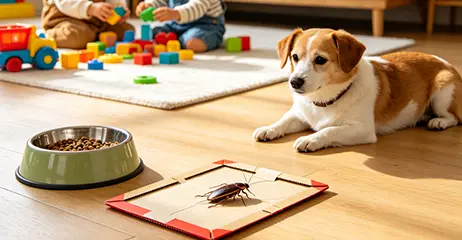
Glue traps in this category contain no pesticide active ingredient. Capture is mechanical. The adhesive and the bait used in cockroach houses are not toxic baits. This does not mean a trap can be placed on a food-contact surface or left within reach of a child or a pet. The adhesive is difficult to remove from fur and hair, and a used trap requires careful disposal.
Can glue boards be used as the only pest control measure?
No. A glue board captures what crosses or lands on it. It does not remove harbourage, eggs, larvae or food. In a commercial kitchen or a food facility, glue boards support a program that includes sanitation, exclusion and, where permitted, a baiting or insecticide component. Using boards alone will fill the boards and leave the population in place.
Are glue traps banned in the EU or UK?
The EU Commission has not proposed an EU-wide ban on rodent glue traps and has stated that regulation falls to member states. The UK has restrictions under the Glue Trap (Offences) Act 2022 and the Agriculture (Wales) Act 2023, in some cases limiting use to licensed professionals. Check the destination market before ordering, because the rules can change and differ within a region.
What is the difference between a monitoring board and a control trap?
A monitoring board is plain, flat and cheap. It has no bait or shelter, so the catch reflects position rather than attraction. A control trap has bait, a roof or an entry structure, and catches more in a short period, but its catch cannot be compared between points. A program usually uses plain boards for the survey grid and baited or roofed traps near the harbourage.
How long does a glue board last?
The label figure varies by product and is stated on each sub-category page. In a clean, dry indoor position, 8 to 12 weeks is typical. In a dusty warehouse, a greasy kitchen or a humid poultry house, 4 to 6 weeks is realistic. Check the surface at each service visit: if it has lost its shine or is covered in dust, it needs replacing regardless of the calendar.
Can a cardboard glue board be used in a wet area?
No. The card base absorbs water and curls. A curled board lifts the adhesive off the floor and captures poorly. Use a plastic-backed board in wash-down areas, damp basements or outdoor sheltered positions where water may reach the surface.
Is RoHS or REACH relevant to glue boards?
RoHS applies to electrical and electronic equipment, so it does not apply to cardboard or plastic glue boards. REACH substance declarations for the adhesive and base material can be supplied on request. A food-contact certificate is not applicable, because the board is not intended to contact food.