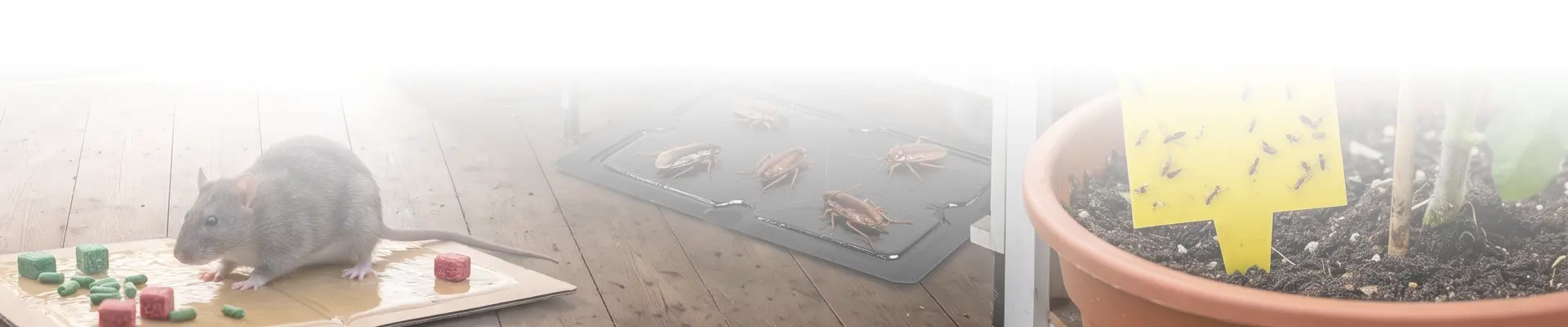
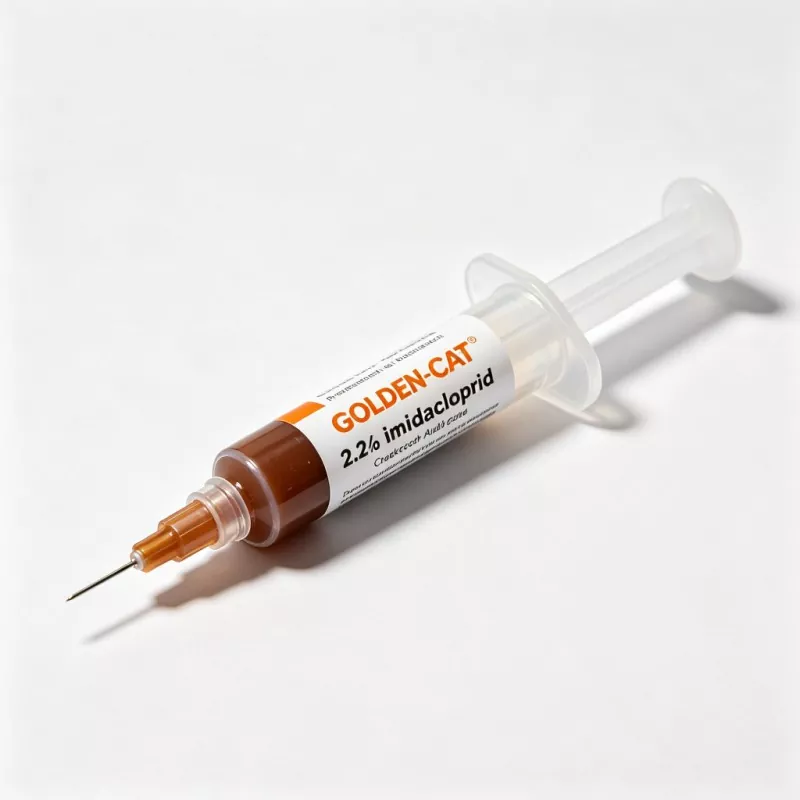
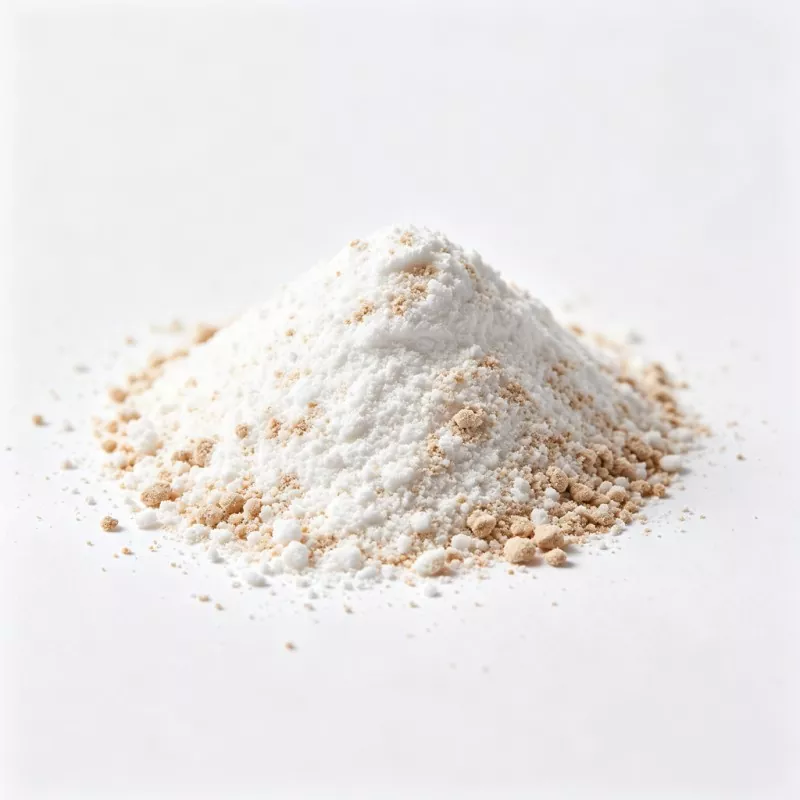
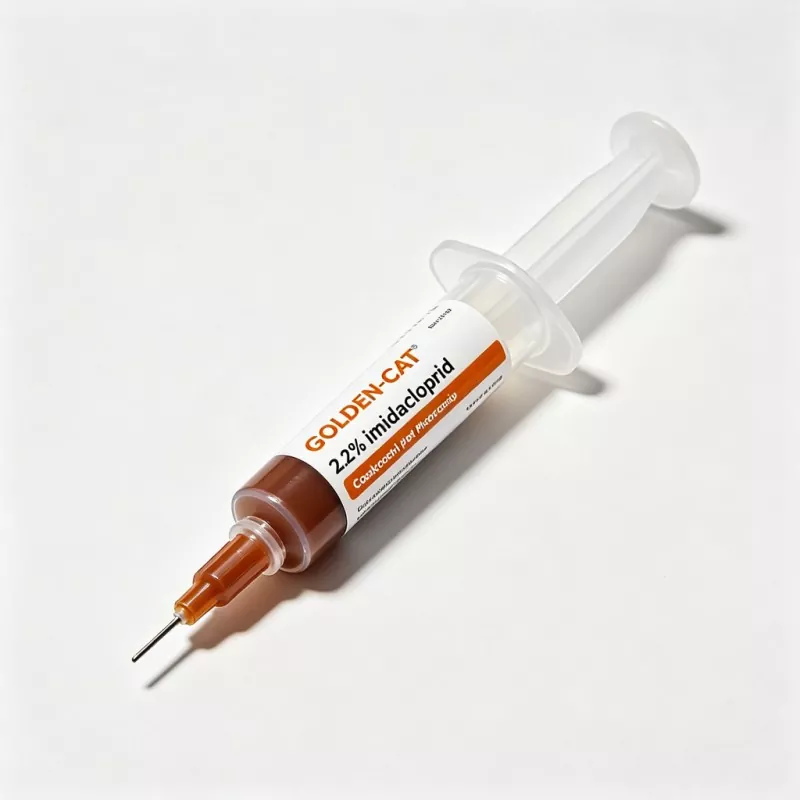
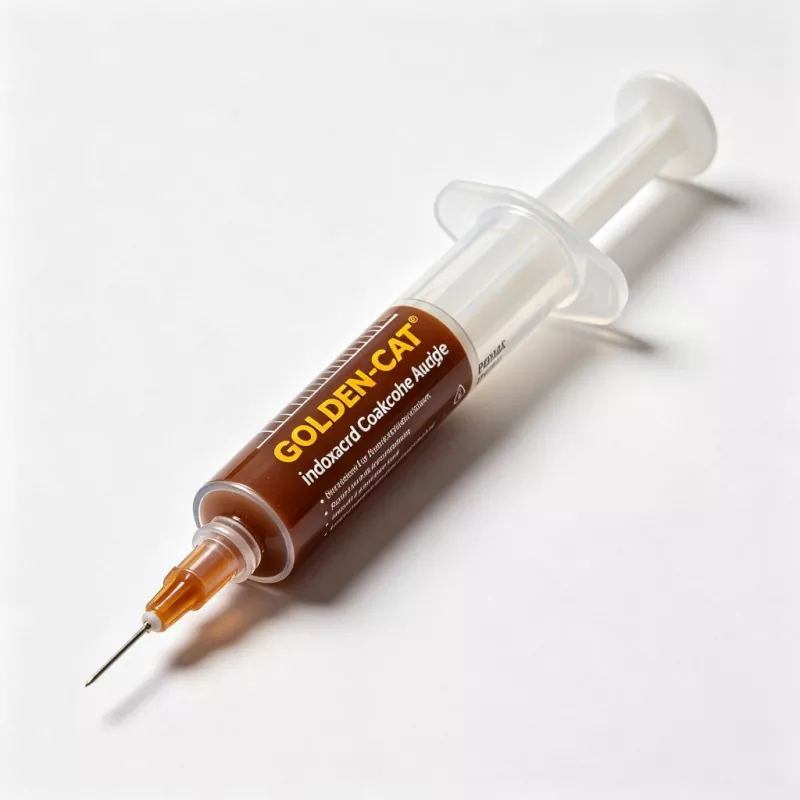
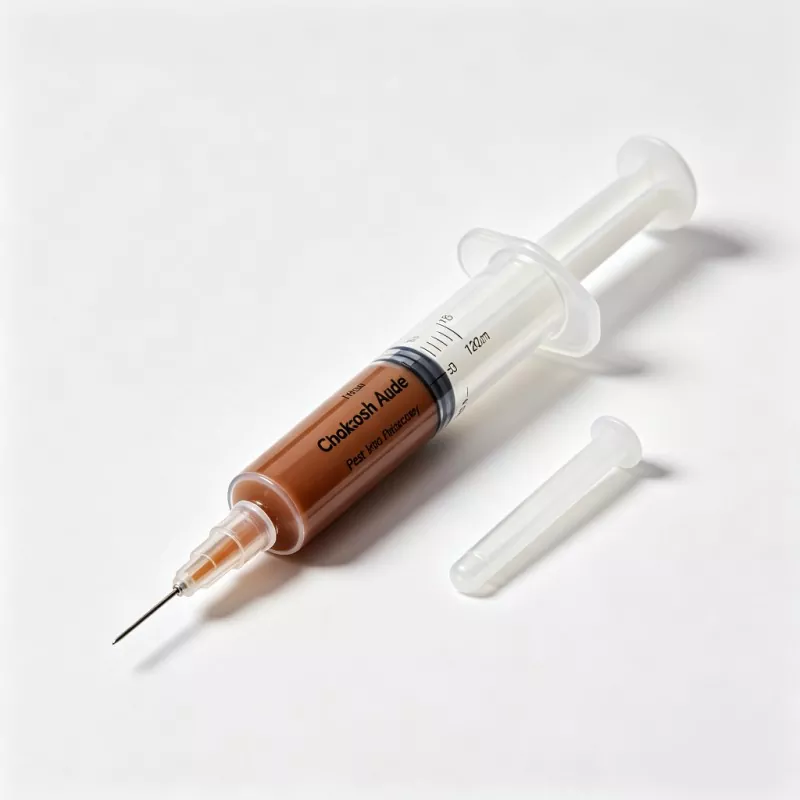
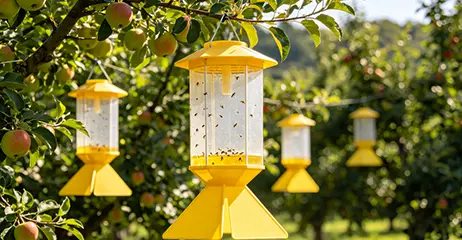
GOLDEN-CAT Insecticide Baits and Gels are manufactured by Dalian Golden-Cat Rodenticide Co., Ltd. in Dalian, China. The company was established in 1984 and produces rodenticides, insecticides and adhesive pest control products at a facility in Lushunkou District. The bait range covers imidacloprid gel bait and boric acid powder bait for cockroach control, supplied to licensed PCOs, food facility contractors and distributors. These are registered pesticide products, not adhesive traps. Unlike Glue Traps or Cockroach Glue Trap boards, they contain an active ingredient and fall under pesticide registration rules in the destination market.
Active Ingredients and Registration
The two baits in the range use different active substances and different modes of action. That difference is the basis for rotation.
|
Property
|
Imidacloprid gel bait
|
Boric acid powder bait
|
|
Active substance
|
Imidacloprid
|
Orthoboric acid
|
|
CAS number
|
138261-41-3
|
10043-35-3
|
|
Typical concentration
|
2.15% to 2.5% w/w gel
|
40% to 50% powder or gel
|
|
IRAC group
|
4A, neonicotinoid, nAChR agonist
|
Not classified as a conventional neurotoxic insecticide; acts as a stomach poison and desiccant
|
|
China registration reference
|
WP20090141, imidacloprid 2.5% gel bait for indoor cockroach control
|
Registration depends on formulation; confirm per product
|
|
Formulation type
|
Ready-to-use gel in a syringe or tube
|
Powder or paste for crack and void treatment
|
The imidacloprid concentration used in commercial gels is typically 2.15% or 2.5% w/w. Laboratory work on German cockroach has used 0.05% fipronil and 2.15% imidacloprid gels as reference formulations. The boric acid concentration varies by product, and the label should be checked rather than assumed.
Fipronil Is No Longer Available in the EU
Buyers sometimes ask for a fipronil gel because it was a standard product for many years. That option has closed in the European Union. BASF decided not to renew the approval of fipronil as a biocidal active substance under the Biocidal Products Regulation (EU) 528/2012. The approval expired on 30 September 2023, and product authorisations containing fipronil were cancelled. Sales ceased by 31 March 2024, and the maximum grace period for use ended on 30 September 2024 in member states such as Spain.
For an EU-bound order, a fipronil gel is not a product that can be shipped under a current authorisation. Imidacloprid gel bait remains an option where the product holds a national authorisation. Boric acid powder is a separate regulatory case and depends on the member state. The buyer should confirm the authorisation status for the specific product and destination before ordering.
Gel and Powder Serve Different Positions
The formulation decides where the bait can be placed. A gel and a powder are not interchangeable.
|
Formulation
|
Position it suits
|
Where it falls short
|
|
Gel bait
|
Cracks, hinges, behind appliances, under sinks, inside cabinet voids
|
Can dry out and lose palatability over time
|
|
Powder bait
|
Wall voids, electrical conduits, dry concealed spaces
|
Not suitable for exposed or damp positions; application is less precise than a gel syringe
|
A gel is placed as small spots at harbourage edges. It is not applied as a bead or a caulk line. The EDIS guidance on cockroach baiting states explicitly that bait should not be used as if it were caulk, and that the amount applied should be scaled to the number of cockroaches trapped in monitors, not to the floor area. A powder is placed in voids where a gel cannot reach and where moisture is not present.
Rotation and Bait Aversion
Two failure modes are documented in cockroach baiting: insecticide resistance and bait aversion. They require different responses.
Resistance. Cockroaches that eat the bait but do not die indicate resistance to the active ingredient or its class. Rotating to a bait with a different mode of action is the standard response. The EDIS guidance recommends rotating to an active ingredient from a different insecticide class at least monthly when repeat applications are necessary. A dry-flowable bait can serve as a rotation partner for a gel, because it does not dry out and become less palatable in the same way a gel does.
Bait aversion. Some German cockroach populations avoid glucose-based bait matrices because glucose triggers a bitter receptor response. This is inherited and widespread enough to be considered in an IPM plan. A bait that performs poorly in one population may perform differently in another for this reason. A switch to a different bait matrix, not only a different active, is sometimes required.
A practical rotation record includes the active substance, the bait matrix, the placement points and the catch trend from the monitoring boards. A rotation cannot be audited without that record.
How Baits and Glue Boards Work Together
Baits and adhesive monitors do different jobs, and a cockroach program uses both.
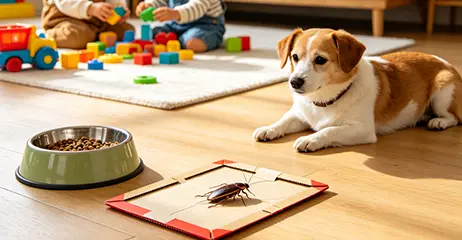
A Cockroach Glue Trap or a flat Glue Traps board is a monitoring and intercept tool. It shows where activity is concentrated and whether a treatment has reduced it. The Rutgers and PCT field reports on cockroach IPM describe vacuuming and deploying glue boards in apartments, followed by gel bait application into the harborages identified by the monitors, with post-treatment sticky trap checks to validate the result.
A bait is a control tool. It is placed where the monitors show activity, not across an entire room. If a room's monitors contain no cockroaches, baiting that room is probably unnecessary. If monitors indicate activity in one section of a room, that section is baited.
The sequence is: monitor with glue boards, bait the harbourage indicated by the boards, and continue monitoring to confirm the catch falls. A program that baits without monitoring cannot tell whether the bait is being consumed, avoided or ignored.
Frequently Asked Questions
Is GOLDEN-CAT gel bait registered for use outside China?
The China registration reference is WP20090141 for a 2.5% imidacloprid gel bait. Registration in another market is a separate process, and the product as shipped may require an import authorisation or a local registration held by the buyer. Confirm the registration status in the destination country before ordering.
Why can I no longer order a fipronil gel for the EU?
Fipronil's biocidal approval under the EU BPR was not renewed. The approval expired on 30 September 2023, sales ceased by 31 March 2024 and use ended by 30 September 2024 in the member states that granted the maximum grace period. A fipronil gel is not a product that can be shipped to the EU under a current authorisation. An imidacloprid gel with a national authorisation is the alternative.
What is the difference between a gel bait and a glue trap?
A gel bait contains an active ingredient and kills cockroaches that consume it. A Glue Traps board or a Cockroach Glue Trap captures cockroaches that cross it and provides a count. The bait reduces the population; the board shows whether the reduction is happening. A program that uses only bait cannot measure the result, and a program that uses only boards will fill the boards without removing the harbourage.
How often should the bait be rotated?
When repeat applications are necessary, rotate to a different insecticide class at least monthly. Rotate the active substance and, where bait aversion is suspected, the bait matrix. Record the active at each placement point so that the rotation can be checked.
Does the gel dry out?
A gel can dry out and become less palatable over time. That is one reason a dry-flowable bait is useful in rotation, because it does not dry out in the same way. Check gel placements at each service visit and replace spots that have hardened or darkened.
Can boric acid powder be used in the same positions as a gel?
No. A powder belongs in voids and concealed dry spaces where a gel cannot be injected and where moisture is absent. A gel belongs on crack edges, hinges and appliance surfaces where a spot can be seen and inspected. The two formulations cover different harbourage types.