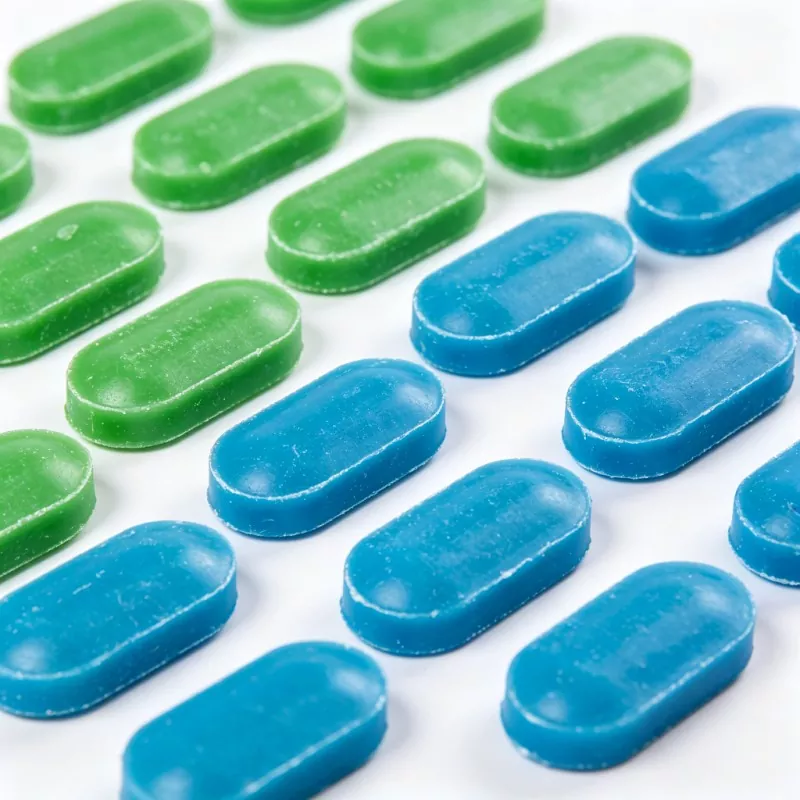
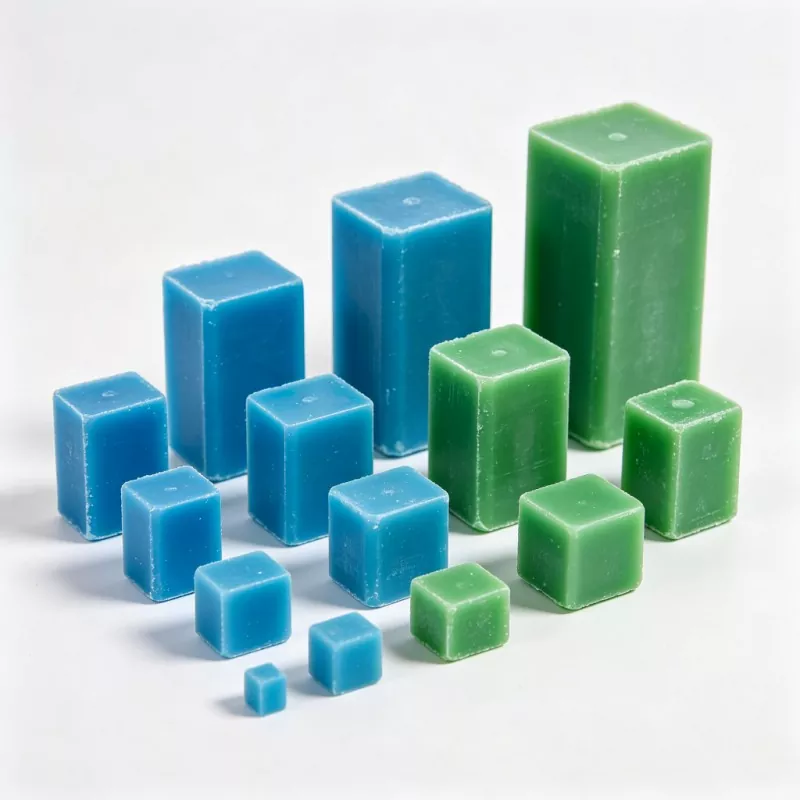
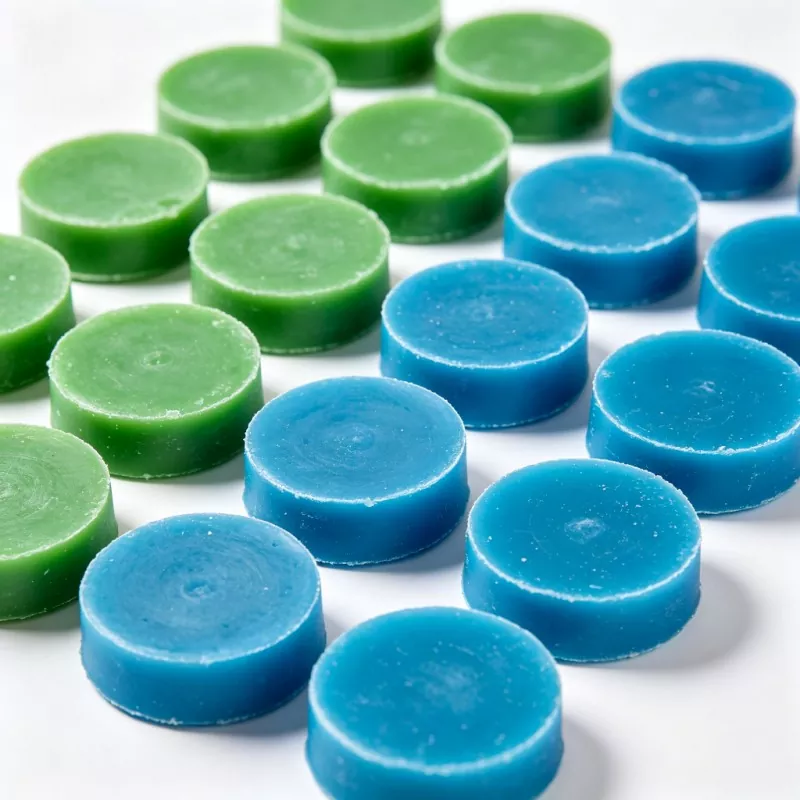
Most professional rodent baiting programs start with bromadiolone, and the reason is persistence rather than potency. GOLDEN-CAT Bromadiolone Rodenticide is produced by Dalian Golden-Cat Rodenticide Co., Ltd. in Dalian, China, a manufacturer of pest control products since 1984. It is supplied in wax block and pellet formats to licensed PCOs and facility contractors. It is not an adhesive product like Glue Traps or Mouse Glue Traps, and it is a different active substance from Brodifacoum Rodenticide. The difference that matters for a buyer is how long each active stays in the rodent's body, because that determines the risk to non-target animals and the order in which the two products should be used.
Bait Data
|
Parameter
|
Specification
|
|
Active substance
|
Bromadiolone
|
|
CAS number
|
28772-56-7
|
|
Typical concentration
|
0.005% w/w (50 ppm) standard; other strengths by market requirement
|
|
Mode of action
|
Anticoagulant, second-generation
|
|
Bait formats
|
Wax block, extruded block, pellet
|
|
Target rodents
|
Brown rat (Rattus norvegicus), house mouse (Mus musculus)
|
|
Use restriction
|
Professional use only; not for general public sale in most regulated markets
|
|
Documents
|
SDS, COA, registration reference, export paperwork
|
Why Persistence Decides the Order of Use
A rodent that eats a lethal dose does not die immediately. It carries the active substance in its body for days or weeks, and during that time it can be taken by a predator or a scavenger. The longer the substance stays in the rodent, the wider that window becomes.
Bromadiolone clears from a rat's liver in roughly 170 days and from a mouse's liver in roughly 28 days. Brodifacoum clears far more slowly, with a half-life in the region of 300 days or more. That gap is the reason the two products are not used in the same way. A program that starts with brodifacoum when bromadiolone would have worked places a more persistent compound into the food chain without a clear need.
The practical rule is to use bromadiolone first where the local resistance profile allows it, and keep Brodifacoum Rodenticide for confirmed resistance or for an infestation that has not responded. A baiting program that records the active substance at each point can show that it followed that order.
When Bromadiolone Is Not Enough
Bromadiolone resistance exists, but it is local rather than uniform. Sampling in Shanghai's Baoshan district found no bromadiolone-resistant individuals in the tested populations. Work in Chengdu reported a resistance rate of around 6%. The practical reading is that the decision depends on where the program is running, not on the compound alone.
A sensible sequence is to check the local resistance profile first. If bromadiolone is likely to work, start there. If the infestation does not respond after a proper course, or if the local data shows resistance, move to Brodifacoum Rodenticide rather than repeating the same active. Where the label and the site allow, use Glue Traps or Mouse Glue Traps boards at fixed points to confirm activity before baiting and to check whether the baiting has reduced it.
Bait Format and Placement
The format follows the position, not the active substance.
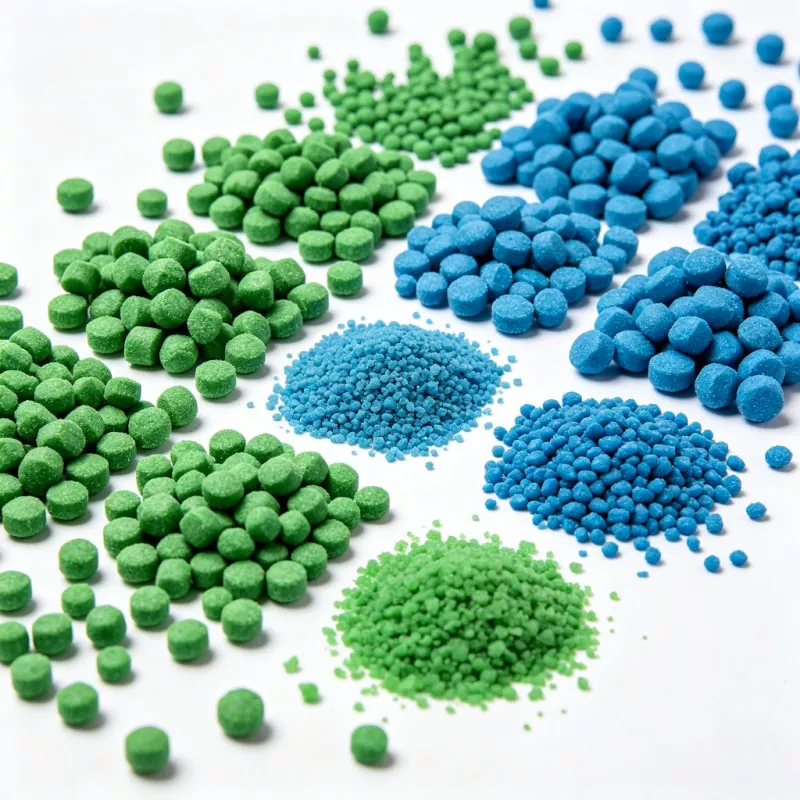
A wax block suits a drain, a sewer chamber, a wash-down area or any position where moisture is present. It is secured on a rod inside a tamper-resistant station and inspected weekly. A pellet suits a dry indoor position, a burrow opening or a bait tray, and is more readily consumed than a dense block. Neither format should be broadcast on open ground, and neither should be left in place after the program ends.
The usual sequence is to confirm activity with a monitoring board, place bait only where activity is confirmed, inspect weekly, and remove uneaten bait when the program is complete. Baiting without monitoring cannot tell whether the bait is being eaten, ignored or avoided.
Frequently Asked Questions
Should I order bromadiolone or brodifacoum first?
Start with bromadiolone where the local resistance profile allows it. It clears from the rodent's body faster, so the secondary exposure risk to predators and scavengers is lower. Keep brodifacoum for confirmed resistance or for a severe infestation where bromadiolone has not worked. Check the local resistance data before deciding, and record the active at each bait point.
Is permanent baiting with bromadiolone still allowed in the EU?
It varies by member state, and the position is still moving. The active substance approval runs to 31 December 2026, but the Biocidal Products Committee has recommended against renewal unless derogation conditions are met, and only a minority of member states support permanent baiting. Product authorisation is national, so confirm the specific product and use in the destination country before ordering.
What does a UK buyer need to show to purchase this product?
From 1 January 2026, either a CRRU-approved training certificate or membership of a CRRU-approved CPD scheme. Farm assurance membership alone is no longer enough. Open-area use has been illegal since January 2025, so the bait must be placed in or directly against a building or structure. The supplier checks certification at the point of sale.
Can bromadiolone be used outdoors?
In the UK, open-area use has been illegal since January 2025. Bait must be connected to a building or structure. In the EU, most member states restrict placement to indoor or structure-adjacent positions. A sheltered position under a roof is not the same as open-field broadcasting, but the label and national rules should be confirmed before any outdoor placement.
Why is bromadiolone often the first choice over brodifacoum?
Because it is less persistent. A shorter liver half-life means a shorter window for a predator or scavenger to pick up a secondary dose. Where bromadiolone will control the infestation, using it first avoids placing the more persistent compound into the food chain without a clear need.
How do glue traps fit with a bromadiolone program?
A Mouse Glue Traps board or a flat Glue Traps board is a monitoring and intercept tool. It shows where rodent activity is occurring and whether baiting has reduced it. It contains no active ingredient and carries no secondary exposure or resistance risk. A program usually monitors with boards, baits only the confirmed harbourage, and keeps monitoring to validate the result.