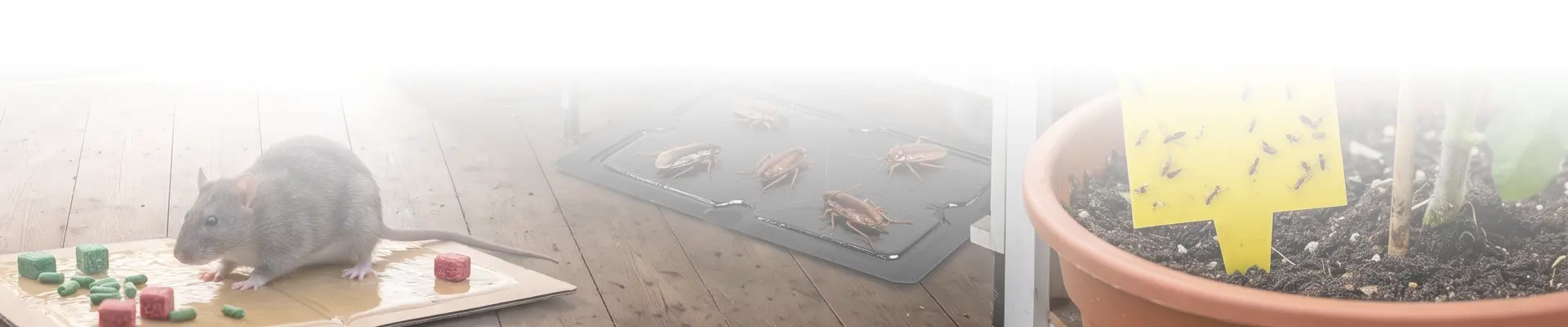
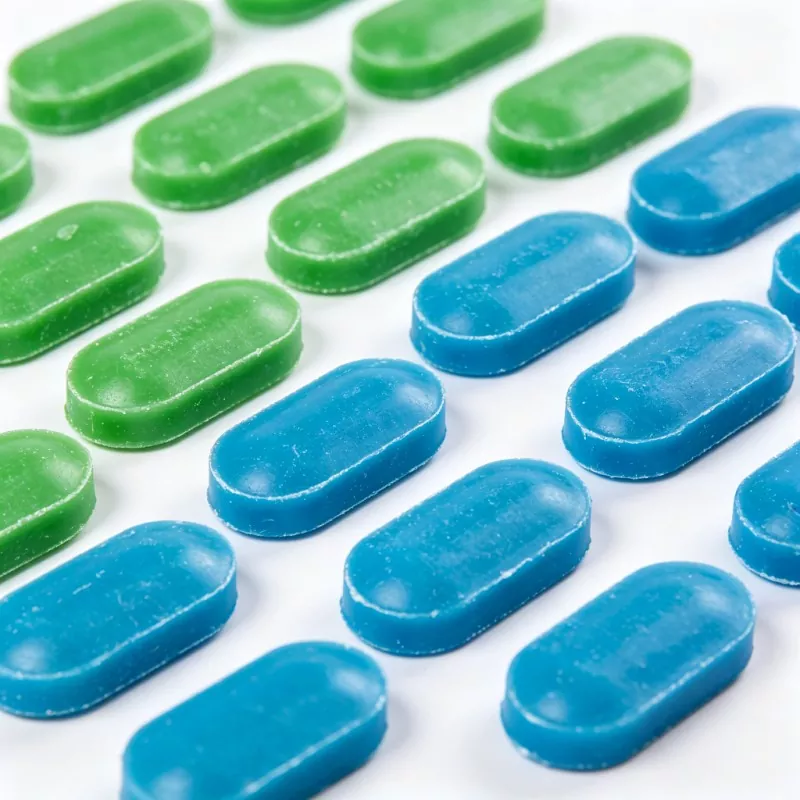
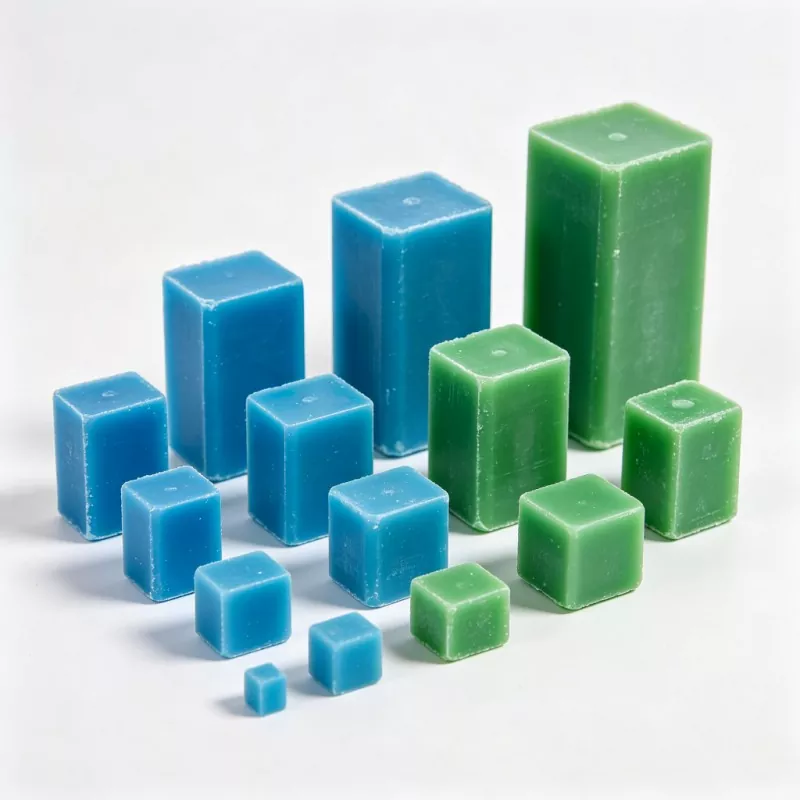
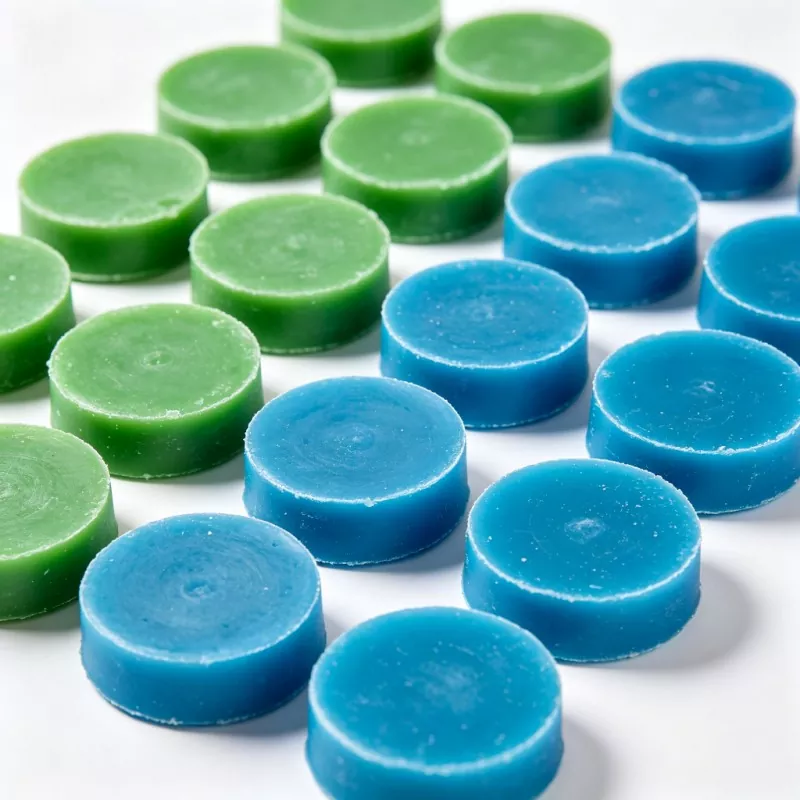
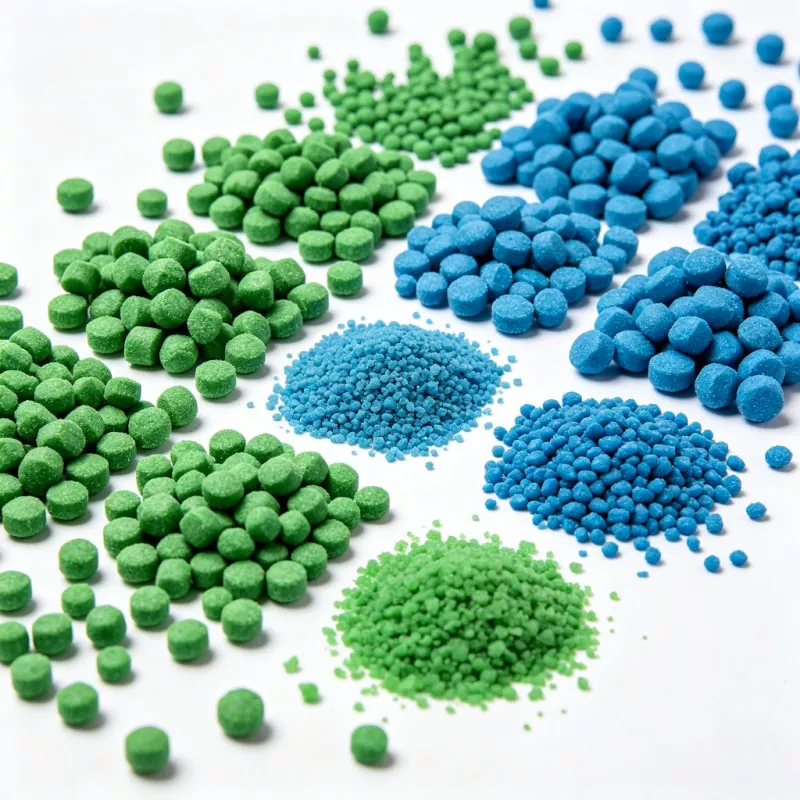
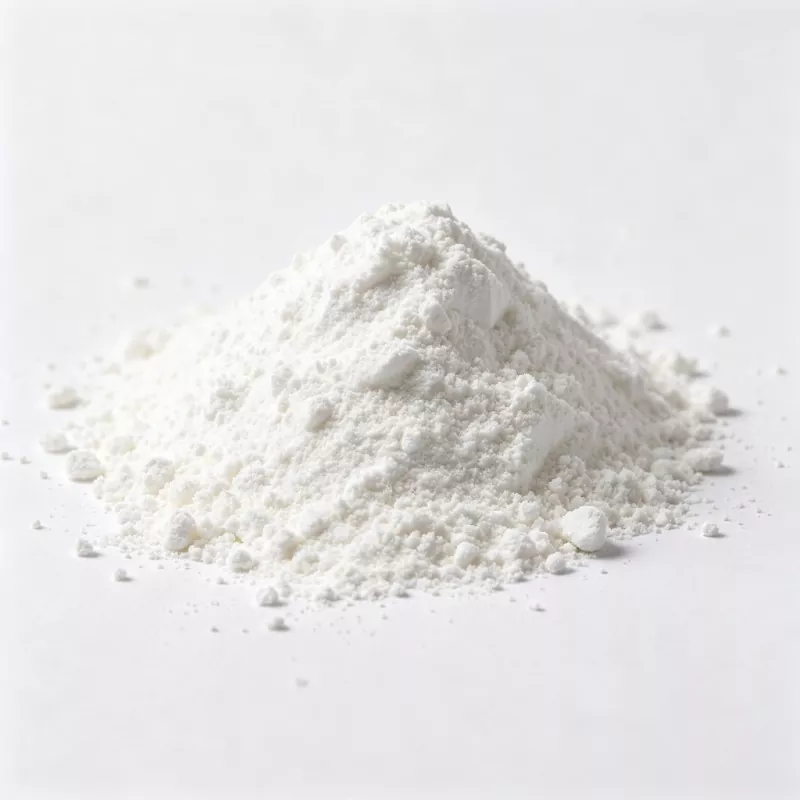
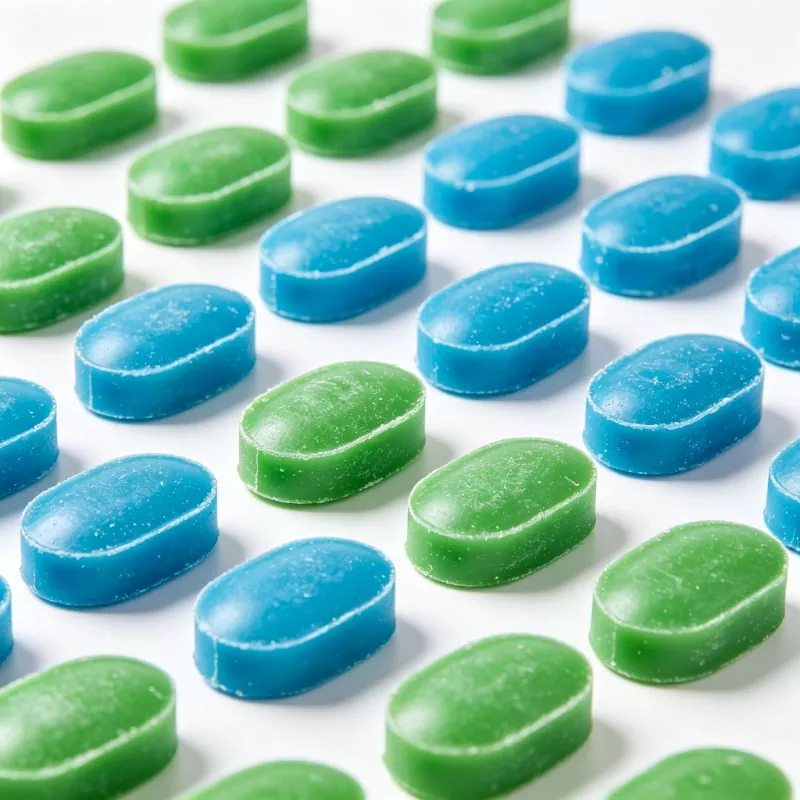
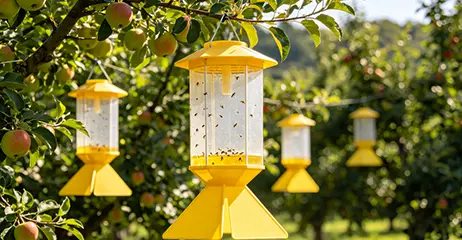
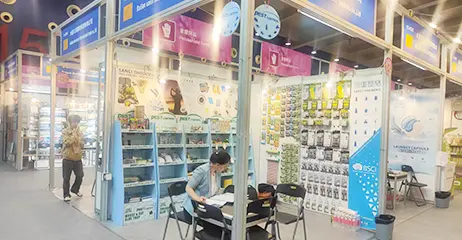
GOLDEN-CAT Rodenticide and Rodent Baits are produced by Dalian Golden-Cat Rodenticide Co., Ltd. in Dalian, China, a manufacturer of pest control products since 1984. The range covers Brodifacoum Rodenticide and Bromadiolone Rodenticide in block, pellet and paste formats, supplied to licensed PCOs, agricultural distributors and food facility contractors. These are professional-use products containing anticoagulant active substances. They are not consumer retail items and are not sold through the same channels as Glue Traps or Mouse Glue Traps.
Active Substances in the Range
The two active substances are both second-generation anticoagulants (SGARs). They share a mode of action and differ in persistence, which affects how a program rotates and where each is placed.
|
Property
|
Brodifacoum
|
Bromadiolone
|
|
Class
|
Second-generation anticoagulant
|
Second-generation anticoagulant
|
|
Mode of action
|
Vitamin K antagonist, disrupts clotting
|
Vitamin K antagonist, disrupts clotting
|
|
Typical single-feeding kill
|
Yes, at label rates
|
Yes, at label rates
|
|
Liver half-life, indicative
|
Up to roughly 300 days
|
Roughly 170 to 320 days
|
|
Practical implication
|
Long persistence, reserve for confirmed resistance or severe infestations
|
Shorter persistence than brodifacoum, preferred where label and resistance profile allow
|
The persistence difference is the reason rotation matters. A substance that stays in the liver for months can remain in a rodent that is later taken by a predator. The longer the persistence, the greater the secondary exposure window. Brodifacoum Rodenticide is not a default maintenance bait. Bromadiolone Rodenticide is often the first SGAR used where the local resistance profile permits it.
Bait Format and the Position It Suits
The active substance is only half the decision. The format decides where the bait can be used and how readily it is consumed.
|
Format
|
Consumption
|
Position it suits
|
Where it falls short
|
|
Block, wax or extruded
|
Usually lower than grain or paste
|
Wet areas, sewers, cellars, secured on rods in stations
|
Less attractive; slow consumption in a dry, food-rich environment
|
|
Pellet, extruded grain
|
Readily consumed, general-purpose
|
Dry indoor positions, burrow dosing, bait trays
|
Softens and clumps in damp conditions; dust when poured
|
|
Paste or gel
|
Good palatability, rapid acceptance
|
Bait stations, wall voids, secured points
|
Can be messy; limited spillage only if fixed in a station
|
Block baits are the correct format for a drain, a sewer chamber or a wash-down area. Pellets are the general-purpose choice for a dry warehouse, a burrow opening or a bait tray. Paste suits a fixed point where rapid acceptance matters. A program that uses only one format will be limited by that format's weaknesses.
Resistance Management
Anticoagulant resistance is documented in several rodent populations, and continuing to use an anticoagulant against a resistant population has three documented consequences: the infestation clears more slowly, resistance spreads further as susceptible rodents are removed and resistant ones survive, and resistant rodents carry a high body burden of persistent anticoagulant for a long period, increasing the exposure of predators and scavengers.
A practical resistance policy for a buyer is:
· Check the local resistance map before selecting an active. The RRAC interactive maps and the CRRU annual report are the public references for known resistance distribution.
· Do not default to the same active every time. Rotate between Brodifacoum Rodenticide and Bromadiolone Rodenticide, or to a non-anticoagulant where the label and the resistance profile allow.
· Record the active at each bait point, not only the number of blocks or the weight of pellets. A rotation cannot be audited without that record.
· Do not mix different actives in the same bait station. A mixed station cannot be read for consumption by active.
Non-Target Risk and Stewardship
SGARs are acutely toxic and persistent. Secondary poisoning is documented in birds of prey and scavengers that take poisoned rodents, and the risk is higher for compounds with longer liver persistence. This is not a reason to avoid the products where they are needed. It is a reason to use them inside a stewardship framework.
· Place bait indoors or close to structures, in approved bait stations. Open-area placement is prohibited in the UK and restricted in several EU member states.
· Secure blocks on rods and pellets in trays inside the station. A loose block or spilled pellets are available to non-target animals even when the station itself is closed.
· Recover and dispose of uneaten bait at the end of the program. A block left in a station after the program ends continues to expose non-target animals.
· Check for carcasses during the program. A carcass left in an open area is a secondary exposure route. Disposal should follow local rules.
· Use Glue Traps and Mouse Glue Traps for monitoring and intercept where appropriate. A glue board at a fixed point can confirm activity before bait is placed and can validate that a baiting program has reduced it. The two categories are complementary, not alternatives.
Frequently Asked Questions
Is permanent baiting still allowed in the EU?
The position varies by member state and by date. ECHA’s committee recommended against permanent baiting in 2025, and by March 2026 only four member states supported renewal for that use. Several member states stopped approving permanent baiting from 30 June 2026. Use is now tied to actual infestation or a substantiated suspicion. Confirm the position in the destination country before ordering for a program that involves continuous baiting.
What certification does a UK buyer need from January 2026?
From 1 January 2026, professional buyers and users of rodenticides must hold an approved training certificate and meet continuing professional development requirements. The certificate must be current. A farm assurance scheme alone is no longer sufficient proof of competence. The buyer confirms that the end user holds the required certification.
Should I order Brodifacoum Rodenticide or Bromadiolone Rodenticide?
The choice depends on the resistance profile at the site and the label. Brodifacoum is more persistent and is usually reserved for confirmed resistance or severe infestations. Bromadiolone is often the first SGAR used where the local profile permits. Check the RRAC or CRU resistance map for the destination area before selecting, and plan a rotation rather than a single active.
Why does the block format consume more slowly than pellets?
Blocks are denser and less palatable than grain or paste. They are chosen for wet positions and for securing in a station, not for speed of consumption. In a dry, food-rich environment, a block may be poorly consumed and the program may take longer. Pellets are the general-purpose format; blocks are the position-specific format.
Can a rodenticide be used outdoors?
In the UK, open-area use of SGARs has been prohibited since 1 January 2025. Use is limited to in and around buildings. In the EU, placement is restricted to indoor or structure-adjacent positions in most member states. A sheltered outdoor position is not the same as open-area broadcasting, but the label and the national rules should be checked before any outdoor placement.
How do rodenticides relate to glue traps in a program?
A glue board, including Mouse Glue Traps, is a monitoring and intercept tool. It confirms where activity is occurring and catches rodents that cross a fixed point. A rodenticide is a control tool used when the activity warrants it. A program usually uses glue boards to locate and validate, and rodenticide to reduce the population, with sanitation and exclusion alongside both.