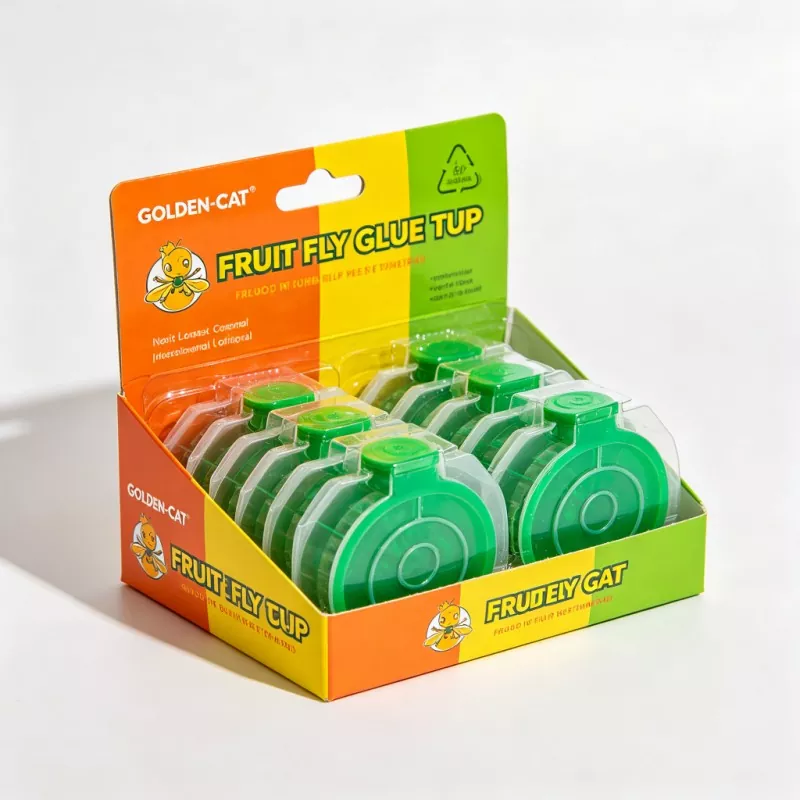
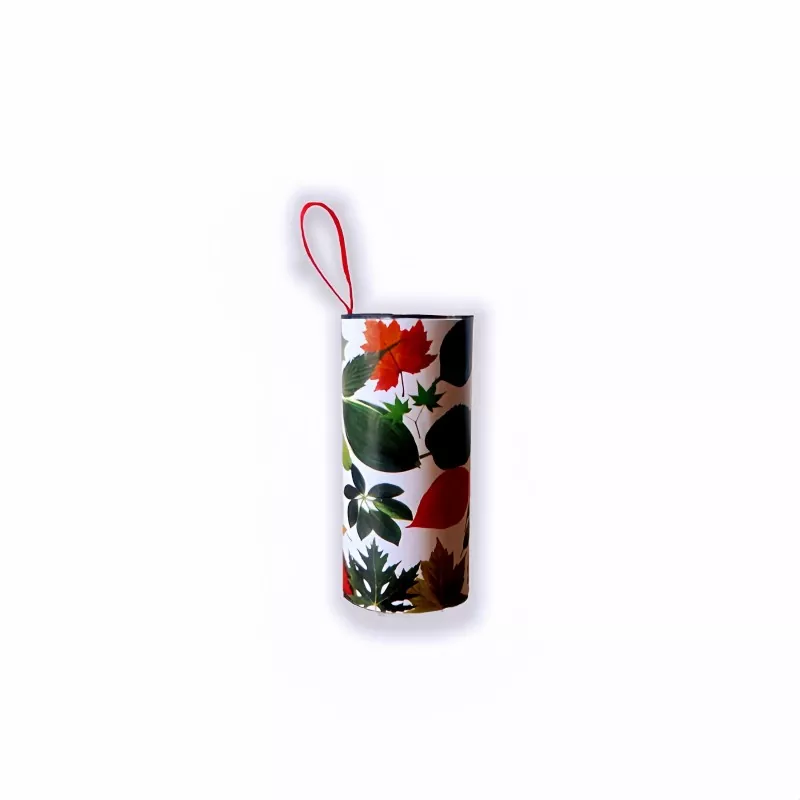
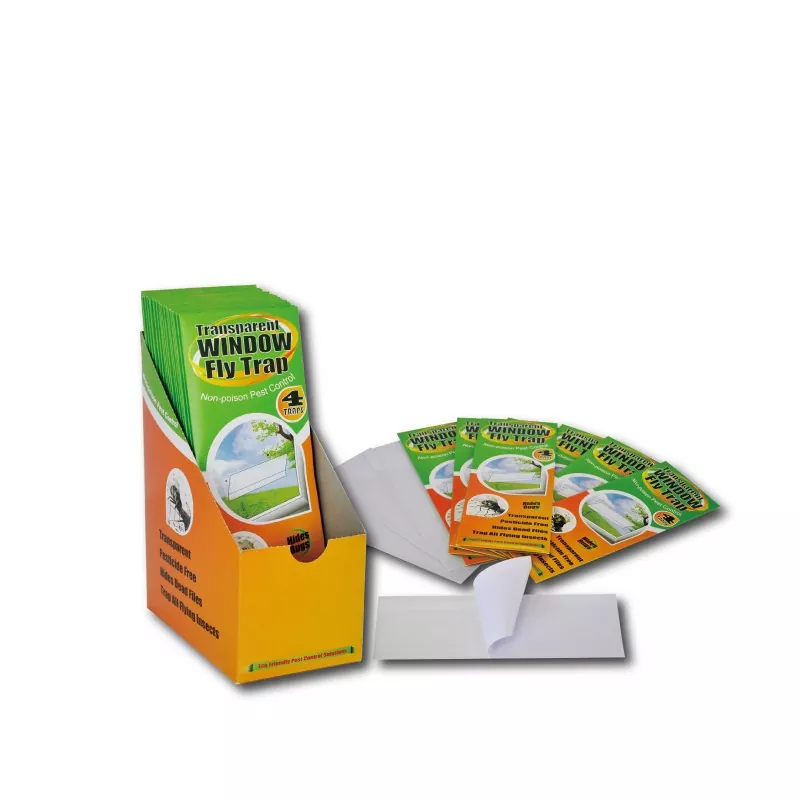
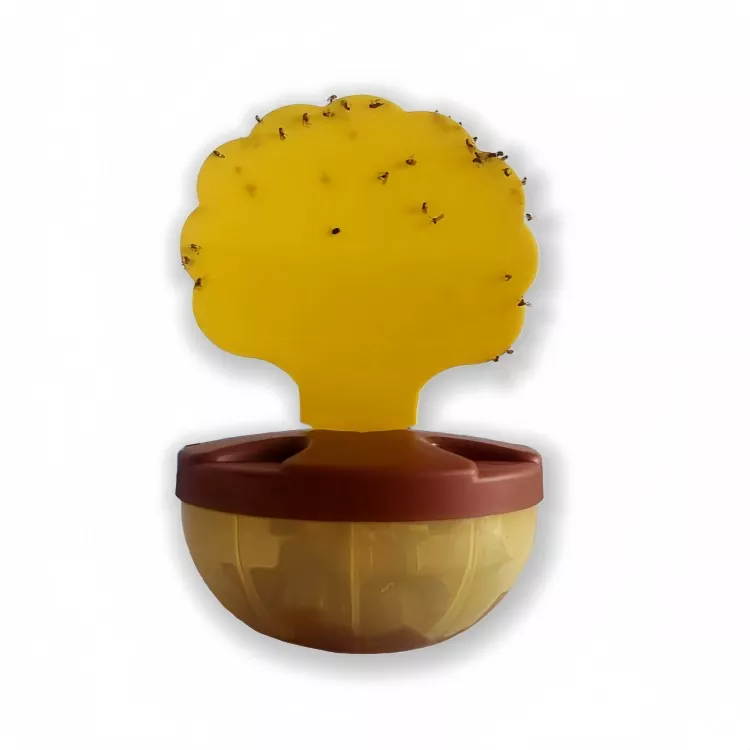
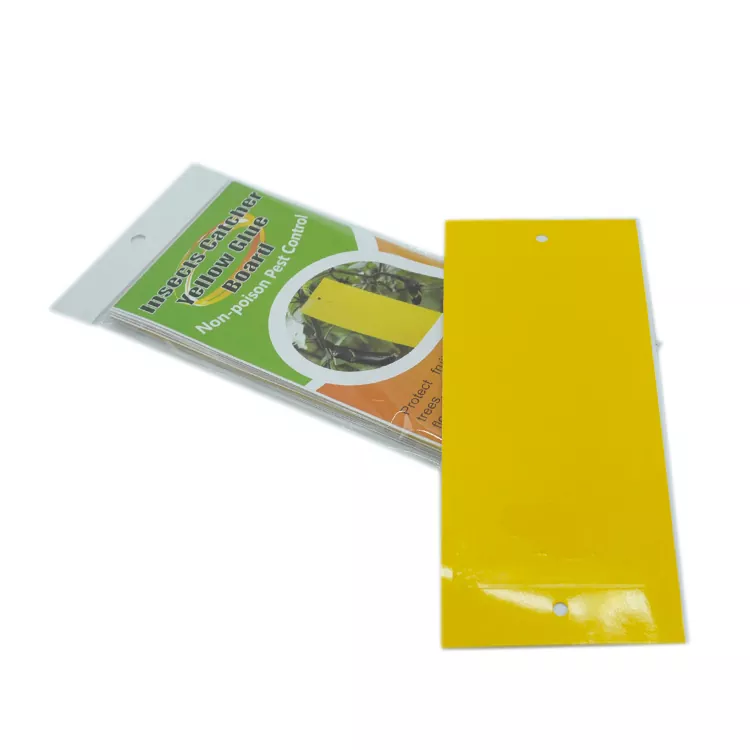
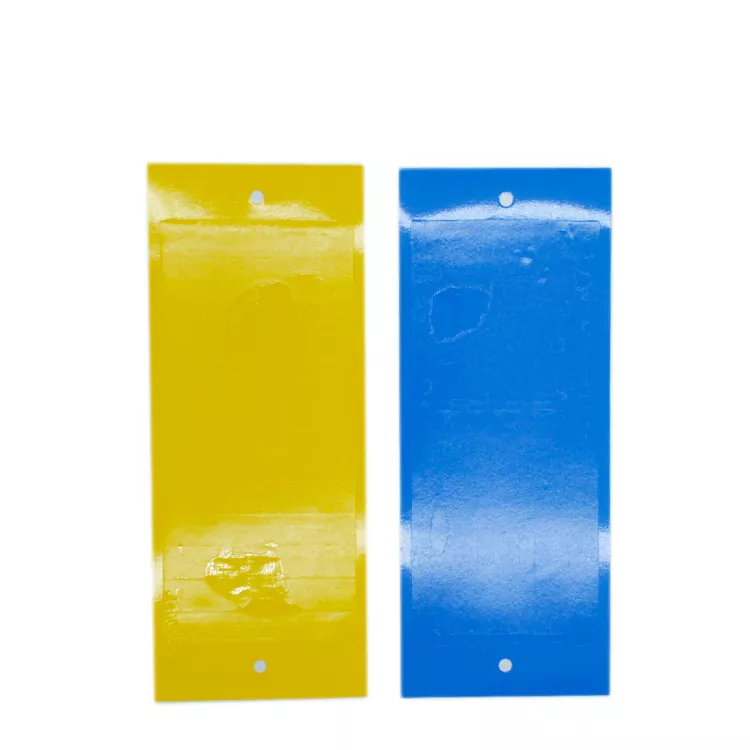
GOLDEN-CAT fly glue traps are made by Dalian Golden-Cat Rodenticide Co., Ltd. in Dalian, China. The range covers paper ribbons, flat hanging boards and ribbon rolls, supplied to agricultural distributors, PCOs, food-service suppliers and retail buyers. Unlike Mouse Glue Traps and Cockroach Glue Trap products, fly traps are not affected by the vertebrate glue trap restrictions in force in parts of the UK, because the legislation covers animals and not insects. Ribbon length, board size, adhesive weight and pack format can be specified for OEM orders.
Range at a Glance
|
Format
|
Dimensions
|
Adhesive faces
|
Position it suits
|
Where it falls short
|
|
Paper ribbon
|
60 × 5 cm / 80 × 6 cm
|
Double-sided
|
Barn aisles, waste rooms, stockrooms
|
Saturates fast under heavy load
|
|
Flat hanging board
|
20 × 25 cm / 15 × 20 cm
|
Double or single-sided
|
Doorways, windows, poultry house walls
|
Less adhesive area than a ribbon
|
|
Ribbon roll
|
Continuous, cut to length
|
Double-sided
|
Large barns, long aisles, high ceilings
|
Cut end has no eyelet
|
Why Flies Are Caught Differently
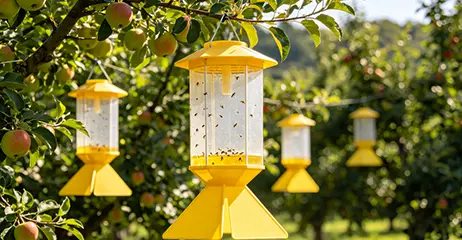
A mouse runs along a wall and crosses a board that lies in its path. A fly does not follow a floor edge. It moves through the air, settles on overhead structures, and returns to the same resting points between flights. This is the reason a fly trap hangs rather than lies flat, and it is the reason the placement height matters more than the board size.
House flies and blow flies rest on beams, wires, lamp fittings and the upper part of walls. A ribbon hung at 1.5 to 2.5 metres in a barn or a waste room intercepts them where they settle. A flat board on the floor catches the few that happen to land low. The same adhesive, in a different orientation, produces a different result.
There is a second difference. A mouse board is checked by looking for a body. A fly ribbon is checked by looking at the surface. The catch can be counted, and in a mixed fly population the species can be identified on the ribbon. This is why ribbons are used for monitoring as well as for knock-down, while mouse boards are used mainly for capture.
Ribbon or Board
The two formats solve different placement problems.
A ribbon covers a long vertical run. It spreads adhesive over a length rather than concentrating it in a rectangle, so it intercepts insects moving across an open space. A barn aisle, a warehouse roofline or a waste transfer hall with a wide fly path suits a ribbon.
A board concentrates adhesive in a defined area. A doorway, a window, a single stall or a poultry house wall suits a board, because the flies are moving through a narrow zone rather than across a wide one. A board is also easier to place inside a covered structure or a food back area where a long swinging ribbon is impractical.
The two are not interchangeable. A barn with a wide open ceiling fitted with boards catches less than the same barn fitted with ribbons. A poultry house wall fitted with ribbons is awkward to hang and offers no advantage over boards.
Height, Spacing and Air Movement
· Height. Hang at 1.5 to 2.5 metres, in the zone where flies are already moving. In a barn with livestock, the flight zone is often lower than in a warehouse aisle.
· Spacing. One ribbon per 10 to 15 m² in the active zone, with 2 to 3 metres between ribbons. Increase density near waste, feed or a livestock pen.
· Away from fans and open doors. A ribbon in a draught swings constantly and catches less, because the insects are moving with the air rather than hovering around the surface.
· Away from food and prep surfaces. A ribbon that swings or falls into open food is a contamination incident, even though the adhesive is not toxic.
· Not in direct sun or rain. The ribbon is for indoor and covered positions. Direct sun softens the glue and rain destroys the paper base.
What Stops the Catch
Four conditions account for most cases of a ribbon that has stopped working. None of them means the fly population has gone.
Dust. A visible film on the yellow surface reduces tack before the ribbon is full. In a poultry house, a feed store or a dusty barn, replacement at 2 to 6 weeks is realistic, and a heavy load can make the ribbon ineffective within days.
Heat. Direct sun or a position near a heater softens the adhesive and lets larger insects pull free.
Moisture. Damp air softens the paper base and curls the lower end. A curled ribbon presents less surface to approaching insects.
Saturation. A covered ribbon cannot catch more. A saturated ribbon left hanging gives a false impression that the problem has ended.
Replace on condition rather than on the label figure. The 12-week figure assumes a clean, still-air indoor position with a light fly load. A working farm building is not that position.
Frequently Asked Questions
Are fly glue traps covered by the UK glue trap ban?
The Scottish legislation covers vertebrate animals and excludes invertebrates. Fly ribbons and insect boards are outside the scope of the vertebrate glue trap ban. Mouse and rodent glue boards are within scope. Check the destination market before ordering, because the rules differ between Scotland, England and Wales.
Can a fly ribbon be hung outdoors?
In a sheltered position under an eave or a roof overhang, yes, with a shorter service period. Open exposure to rain, sun and dust reduces tack and degrades the paper. Research on fly monitoring in animal facilities states that fly ribbons are not recommended for outdoor use. The product is built for indoor and covered positions.
Why does the ribbon stop catching in a poultry house after a few weeks?
Dust and the fly load shorten the effective period. A ribbon in a heavy poultry house load can become ineffective within days once the surface is covered and dust settles. Replace on condition, not only on the label figure.
Should the ribbon be counted or just replaced?
Both uses are valid, but they need separate ribbons. A monitoring ribbon stays fixed and is counted weekly. A knock-down ribbon is placed near the source at higher density and replaced when saturated. Using the same ribbon for both produces a count that cannot be compared.
What is the difference between a ribbon and a flat hanging board?
A ribbon covers a long vertical run and intercepts flies moving across an open space. A board concentrates adhesive in a defined area at a doorway, window or single stall. A barn with a wide open ceiling usually needs ribbons. A poultry house wall, a greenhouse or a food back area usually needs boards.
Does the yellow color attract flies, or is the glue the only mechanism?
Both. Yellow is visible to flies at a distance and increases the chance that an insect approaches the ribbon. The adhesive captures it on contact. The color does not replace placement along a fly movement path.