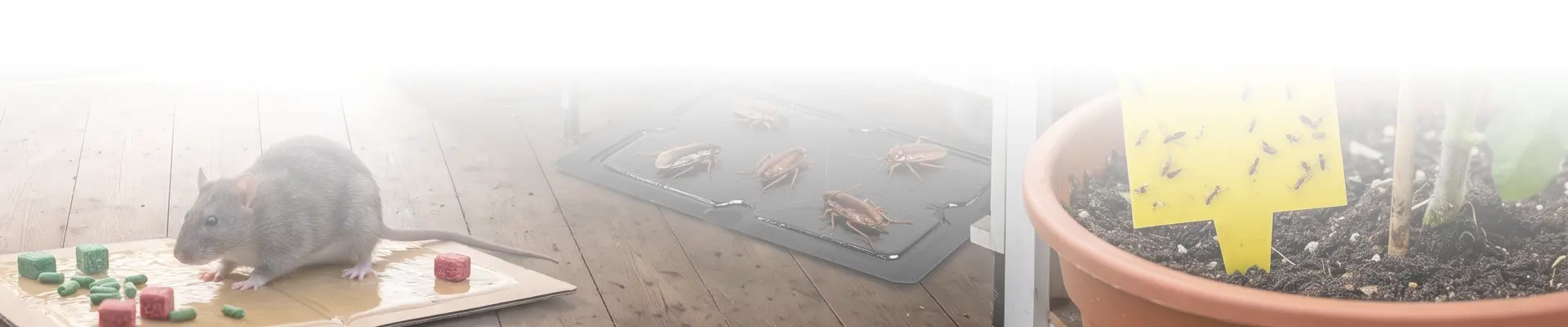
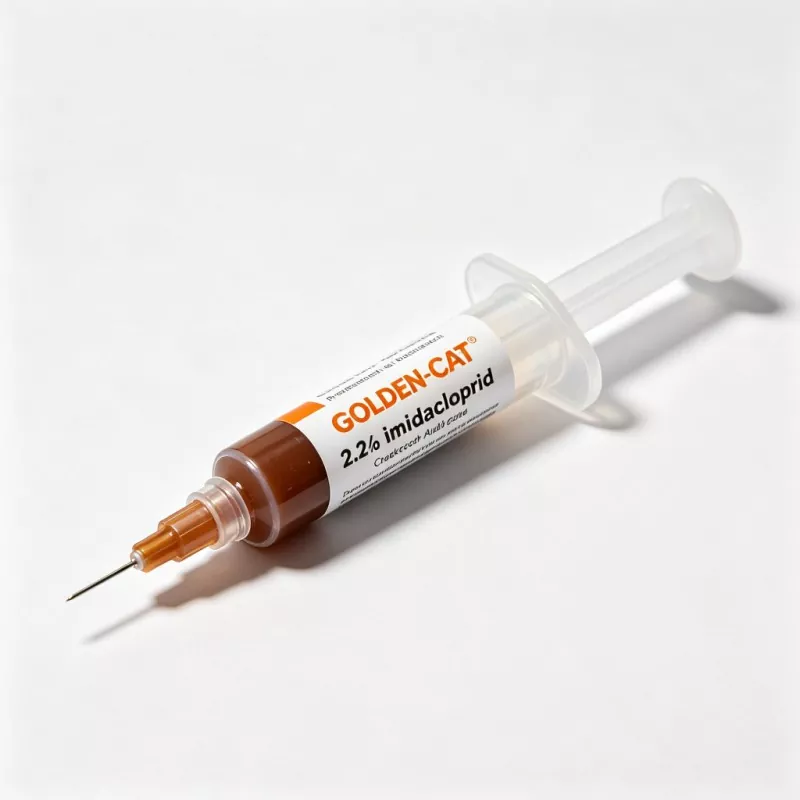
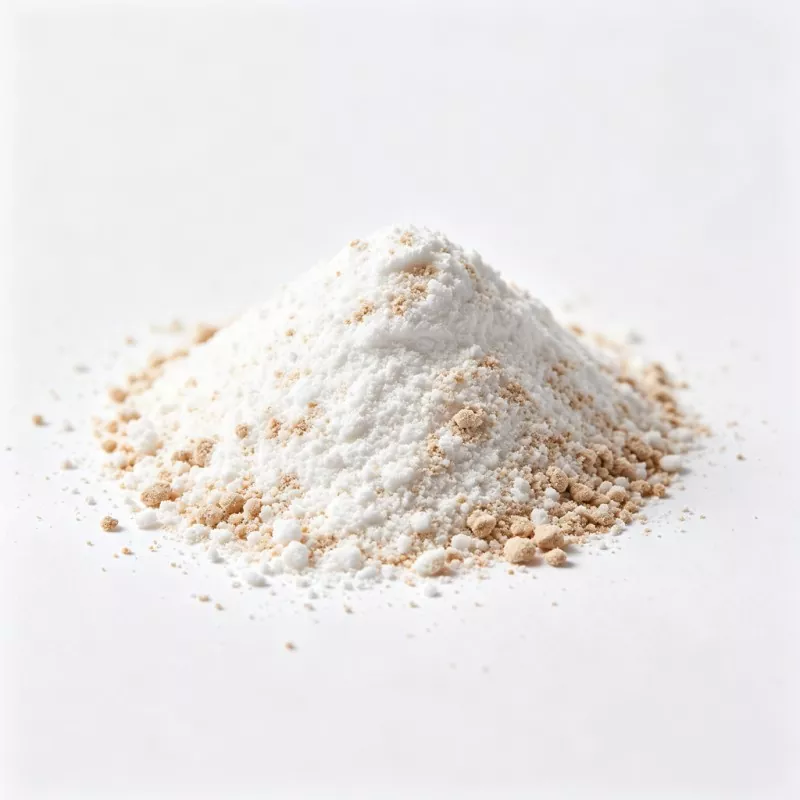
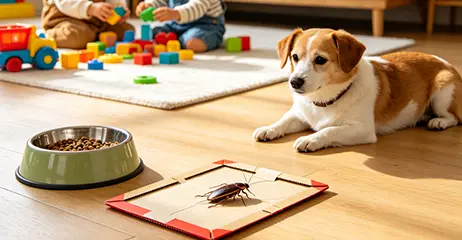
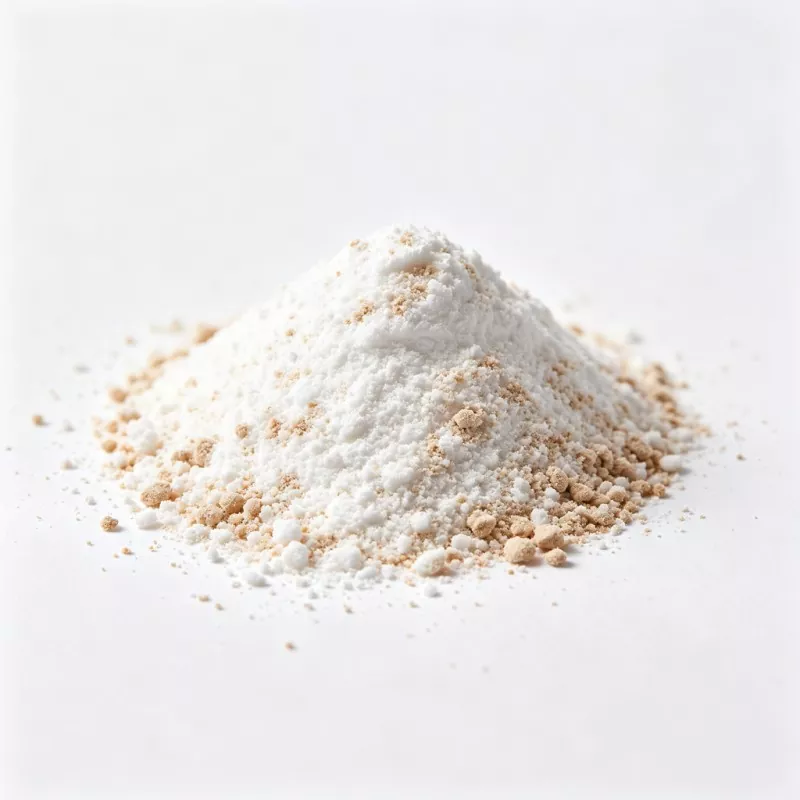
GOLDEN-CAT cockroach powder bait is produced by Dalian Golden-Cat Rodenticide Co., Ltd. in Dalian, China, a manufacturer of pest control products since 1984. It is a boric acid based dust supplied for application into wall voids, electrical conduit entries, false floors and other concealed spaces that a gel syringe cannot reach. Unlike Cockroach Gel Bait, which is placed as visible spots in cracks and crevices, a powder is applied as a fine deposit inside a void and left undisturbed. The two formulations reach different harbourage, and a program that uses only one of them leaves part of the structure untreated. Powders are also distinct from adhesive products such as Cockroach Glue Trap boards, which monitor and intercept rather than treat.
Powder Bait Data
|
Parameter
|
Specification
|
|
Active substance
|
Orthoboric acid
|
|
CAS number
|
10043-35-3
|
|
Typical concentration
|
40% to 100% powder, depending on formulation; some ready-to-use dusts are 100% boric acid
|
|
Form
|
Fine dry powder for dusting or puffing
|
|
Application tool
|
Hand bellows, bulb duster or squeeze bottle with a directed tip
|
|
Primary placement
|
Wall voids, electrical outlet boxes, conduit entries, false floors, pipe chases, under cabinets and behind appliances where a void exists
|
|
Application rate, light infestation
|
A fine, almost invisible film; roughly 500 g per 100 m² of void or surface area
|
|
Application rate, heavy infestation
|
Up to 1.25 kg per 100 m² in voids, applied lightly and uniformly
|
|
Visible residue
|
Should be brushed into the crack or vacuumed; a visible pile is a sign of over-application
|
|
Speed of action
|
Slow; a significant reduction in activity may take 7 days or more
|
|
Residual in undisturbed void
|
Months, provided the void stays dry and the dust is not disturbed
|
|
Shelf life
|
24 to 36 months sealed, dry, depending on formulation
|
|
Documents
|
SDS, COA, registration reference, export paperwork
|
Reaching the Space a Gel Cannot Fill
A gel syringe delivers a spot to a surface. That works where the harbourage opens onto a visible edge: a hinge, a kickboard gap, a cabinet corner. It does not work inside a sealed wall void, behind a closed electrical box or under a false floor where there is no surface to place a spot on.
A powder duster delivers a fine deposit into that space through a small opening. The technician removes an outlet cover, inserts the tip into the void and puffs a light film of dust onto the surfaces inside. The dust settles on the framing, the back of the drywall and the conduit, and it stays there because the void is undisturbed. A cockroach that moves through the void picks up the powder on its legs and body, grooms it off, and ingests it. The effect is not instant, but the deposit remains active for months in a dry void, which a gel spot cannot match.
The same principle applies under a cabinet with a hollow base, inside a pipe chase, above a suspended ceiling and behind a bathtub panel. These are the positions where a powder does work that a gel cannot, and they are the reason the two formulations are stocked together rather than as alternatives.
How the Powder Kills
Boric acid works on cockroaches in two overlapping ways. Ingested powder damages the gut lining and disrupts nutrient absorption, and it also acts as a stomach poison that affects metabolism. Powder that adheres to the exoskeleton can abrade the waxy outer layer and cause dehydration. The relative contribution of each route depends on the formulation and the species, but the practical outcome is the same: the cockroach dies after a delay of several days, not on contact.
The delay is a feature, not a defect. A slow-acting dust gives the cockroach time to return to the aggregation and die there, and other cockroaches in the harbourage can be affected through contact with the contaminated body. A fast-acting contact insecticide would kill at the point of contact, which is often at the edge of the harbourage rather than inside it. The slow action of boric acid is why it works well in a void that is difficult to inspect.
The delay also sets the expectation for the technician. A powder application will not produce a visible drop in catch on a Cockroach Glue Trap board within a day. A meaningful reduction may take a week or more, and the monitoring record should be read over that timeframe rather than at the next morning.
Powder and Gel in the Same Program
A practical cockroach program uses powder and gel for different positions, not as substitutes for each other.
Gel goes to visible harbourage edges: hinges, kickboards, cabinet corners, equipment legs and pipe penetrations on a surface that can be inspected. It is placed as small spots and checked at each service visit. Cockroach Gel Bait is the faster-acting of the two because it is consumed directly, and it is easier to confirm that the bait has been taken.
Powder goes to concealed voids that cannot be inspected and where a gel cannot be placed: wall cavities, electrical boxes, false floors, pipe chases and hollow cabinet bases. It is applied once and left undisturbed, and its residual action covers the space between service visits.
Do not apply powder directly on top of a gel spot. The dust contaminates the gel surface and makes it less palatable, and the gel becomes harder to inspect. Keep the two applications in separate positions. A treatment that covers a kitchen might use gel at the hinges and kickboards, and powder in the wall void behind the cabinets, with Glue Traps or Cockroach Glue Trap boards at fixed points to confirm that activity falls.
Safety Boundaries
Boric acid has moderate acute toxicity. The oral LD50 in rats is in the range of 2,000 to 5,000 mg/kg, and the human lethal oral dose is estimated at 2 to 3 g for infants, 5 to 6 g for children and 15 to 30 g for adults. A bait application in a wall void is far below those amounts, but the concentration in the container is high, and the product should be handled as a pesticide.
· Keep the container out of reach of children and pets. A spilled pile of powder is accessible in a way that a sealed bait station is not.
· Wear a dust mask when applying powder in an enclosed void. The fine particles are easily inhaled.
· Do not apply powder where it can contact food, utensils or food-contact surfaces. In a food facility, application is limited to cracks, crevices and voids.
· Clean up visible powder after application. A residue outside the void is both a contamination risk and a sign of over-application.
· Store sealed and dry. Moisture causes the powder to clump and lose its flow characteristics.
Frequently Asked Questions
Can powder and gel be used in the same room?
Yes, in separate positions. Gel goes to visible edges and hinges; powder goes into wall voids, outlet boxes and concealed spaces. Do not put powder on top of a gel spot, because the dust contaminates the gel and makes it harder to inspect. A program that uses both covers harbourage types that neither formulation reaches alone.
Why does the powder take so long to work?
Boric acid is a slow-acting stomach poison and desiccant. The cockroach ingests or picks up the powder, returns to the aggregation and dies over several days. That delay is useful, because it allows transfer to other cockroaches in the harbourage. A meaningful reduction in activity may take 7 days or more, so read the monitoring count over that period rather than the next day.
Is it safe to puff powder into an electrical outlet?
Turn off the power to the circuit before removing the cover plate and applying dust into the box. Use a duster with a directed tip and apply a light film, not a heavy puff. Do not insert a metal tool into the box. The dust itself is not electrically conductive in the way a liquid is, but the application near live wiring is the hazard, not the powder.
How do I know the powder is still active in a void?
An undisturbed, dry void holds the deposit for months. Check at the opening: if the powder is still a loose, light film and has not clumped or been displaced, it remains active. If the void has been opened for renovation, or moisture has entered and the powder has caked, remove the old deposit and reapply.
Is boric acid powder the same as diatomaceous earth?
No. Both are dusts, but they work differently. Diatomaceous earth kills mainly by abrasion and dehydration of the exoskeleton. Boric acid works by ingestion as a stomach poison as well as by contact dehydration, and it is generally more effective against cockroaches in a void than diatomaceous earth. Do not substitute one for the other on the assumption that they behave the same way.
Can a powder bait replace a cockroach glue trap?
No. A Cockroach Glue Trap or a flat Glue Traps board monitors where activity is occurring and whether the treatment has reduced it. The powder treats a concealed void. A program that uses powder without monitoring cannot tell whether the dust is being encountered, and a program that uses only boards fills the boards without treating the harbourage.