⚠️ IMPORTANT SAFETY NOTICE: This product is an insecticidal dust formulation. Read the label before use. Wear a dust mask or respirator during application to avoid breathing dust. Keep out of reach of children and pets. Wash hands and exposed skin after handling. The active ingredient and its regulatory status vary by market; confirm the label of the specific batch supplied.
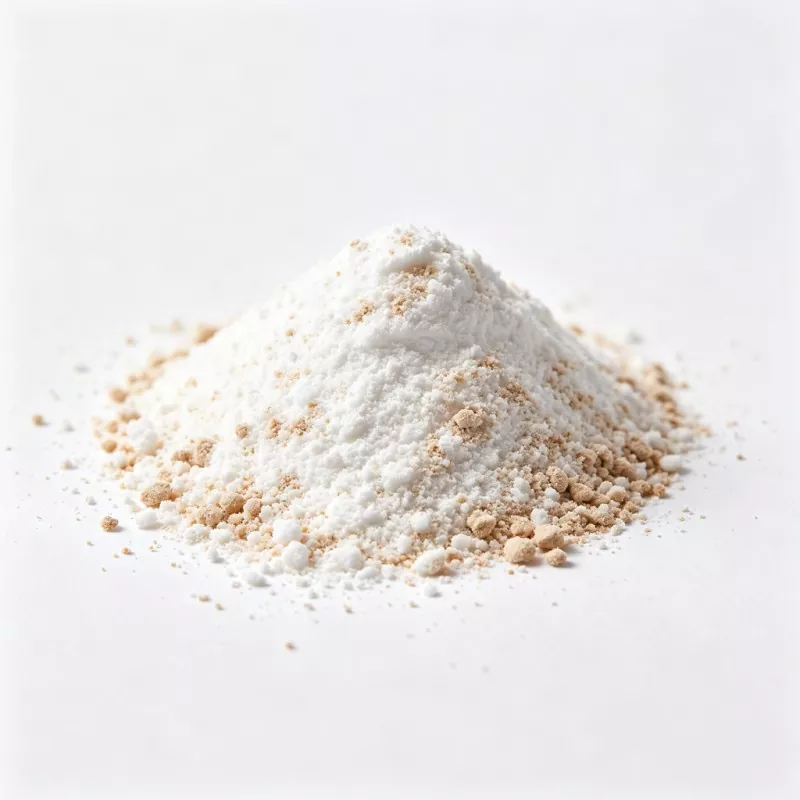
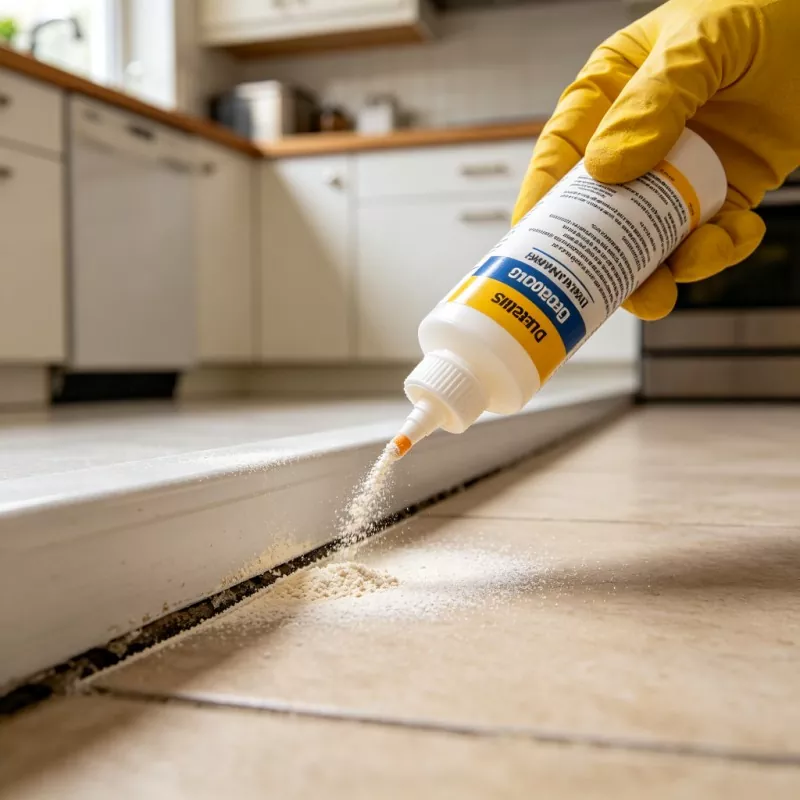
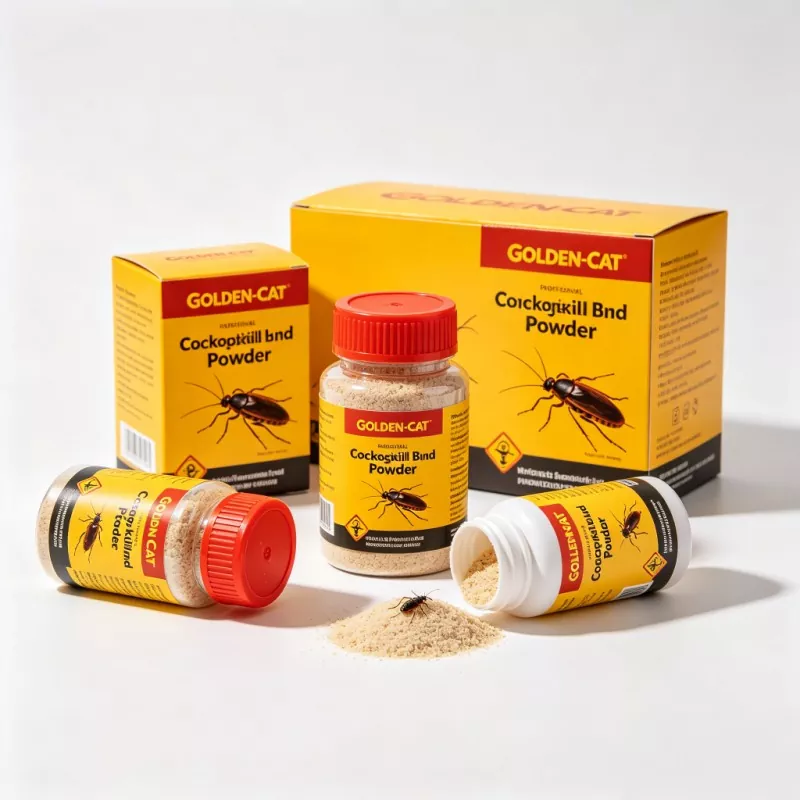
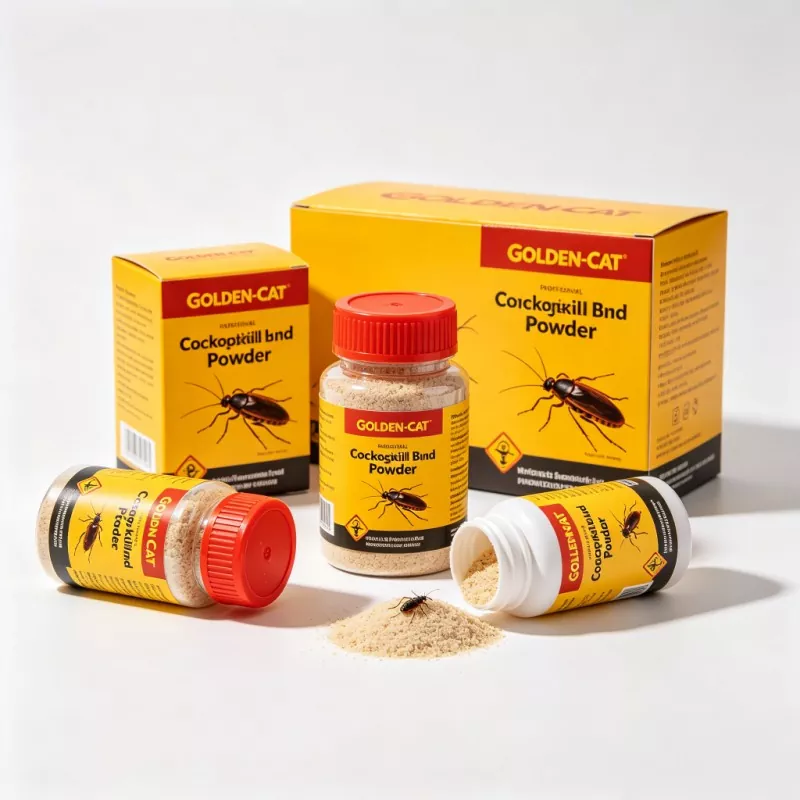
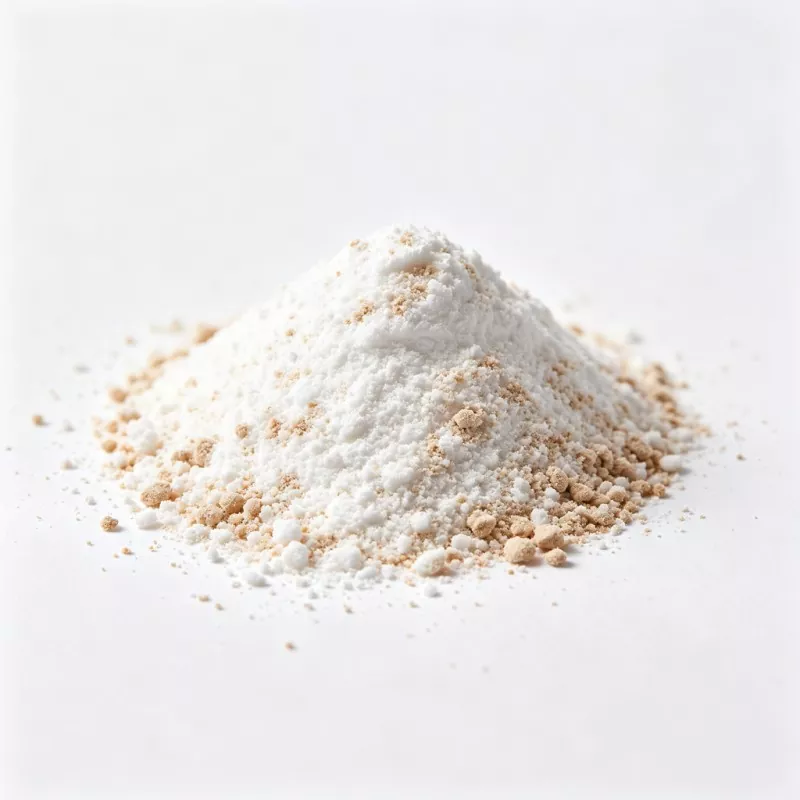
GOLDEN-CAT Cockroach Killing Bait Powder is a ready-to-use insecticidal dust intended for crack, crevice and void treatment in structural cockroach control programs. It is supplied in a shaker bottle for controlled delivery into concealed harborages, wall voids and other areas where a liquid or gel formulation cannot be placed evenly.
Dust formulations occupy a different niche from gel baits in a cockroach management program. Gels depend on consumption and are most effective in small, precisely placed deposits near active harborages. Dusts can be distributed over a larger surface area inside a void or crack, and depending on the active ingredient, may act through ingestion, contact with the cuticle, or both.
| Brand | GOLDEN-CAT |
| Product Name | Cockroach Killing Bait Powder |
| Formulation | Fine powder or dust |
| Active Ingredient | Per label and regulatory registration in the destination market. Contact GOLDEN-CAT for the SDS and label of the specific batch. |
| Bait Matrix | Food-based attractant powder |
| Applicator | Shaker bottle with precision nozzle; bulk containers for professional dusting equipment |
| Standard Fill Sizes | 50 g / 100 g / 200 g / 500 g / 1 kg. Custom fill available. |
| Target Species | Blattella germanica (German cockroach); Periplaneta americana (American cockroach); Blatta orientalis (Oriental cockroach); Supella longipalpa (brown-banded cockroach) |
| Application Method | Thin-layer dusting into cracks, crevices and voids; supplemental application to concealed surfaces where wet cleaning is not feasible |
| Packaging | Shaker bottles; professional bulk containers |
| Shelf Life | 24 months from date of manufacture, sealed, in cool dry storage below 35°C |
| Available Pack Configurations | 1 / 6 / 12 bottles per box; bulk quantities available |
| Quality Documentation | ISO 9001 manufacturing; SDS and COA supplied with each order |
| Regulatory Status | Buyer responsible for confirming local registration and import requirements. Active ingredient registrations and use restrictions vary by jurisdiction. |
Gel bait and dust are not interchangeable, and placing both in the same harborage without a documented protocol introduces a contamination risk. Gel is applied as discrete deposits and depends on repeated consumption. Dust is applied as a thin layer and may act through contact with the insect cuticle, ingestion, or a combination of both, depending on the active ingredient.
Published extension guidance from the University of California, Riverside notes that gel baits and dusts share comparable application targets, including behind and under appliances, cabinet voids, and cracks and crevices. Because both may be placed in the same concealed areas, an integrated program that uses both must account for physical overlap. Dust that settles onto a gel deposit can reduce its palatability or physically cover it. Gel that is applied over a dust-treated surface may prevent the dust from contacting the insect cuticle.
| Consideration | Gel bait | Dust |
| Primary uptake route | Ingestion | Cuticular contact, ingestion, or both, depending on active ingredient |
| Best suited to | Precisely located, active harborages with visible feeding | Cracks, voids and concealed surfaces where a thin layer can remain undisturbed |
| Failure mode | Drying, surface contamination, repellent residues, bait shyness | Displacement by air movement, moisture, grease, cleaning, or coverage by gel |
| Co-application note | Do not apply gel directly over a dust-treated surface. If both are used in the same void, allow the dust application to settle and document which points are dusted versus gelled. | Do not over-apply dust in a void that will later receive gel. Excess dust can migrate onto adjacent gel deposits. |
For programs that use both formulations, a practical approach is to assign dust to enclosed voids and inaccessible cavities, and gel to exposed crack lines and hinge points where inspection and replenishment are possible. This separation reduces the chance of one formulation interfering with the other.
Dust placement decisions depend on which species is present. The four species covered by this product differ in size and preferred microhabitat, and a single placement strategy does not perform equally across all four.
| Species | Adult body length, approx. | Field note relevant to dust placement |
| Blattella germanica (German) | 10 to 16 mm | Smallest of the four. Harbors in tight cracks near warmth and moisture, such as appliance motors, cabinet hinges and pipe penetrations. Dust should be applied as a thin film inside the crack or void, not as a visible mound on adjacent exposed surfaces. |
| Periplaneta americana (American) | 28 to 44 mm | Larger species. Often associated with floor drains, basements and sewer-connected areas. Dust placement should target floor-level voids and concealed spaces near moisture sources. |
| Blatta orientalis (Oriental) | 20 to 27 mm | Prefers cooler, damp locations such as basements, crawl spaces and areas around drains. Dust in damp voids may absorb moisture and lose flowability; re-inspect after humid periods. |
| Supella longipalpa (Brown-banded) | 10 to 15 mm | Often harbors higher in rooms than German cockroach, including picture rails, furniture undersides and ceiling fixtures. Dust placement should include elevated voids and concealed surfaces above floor level. |
If species identity is uncertain, the pronotum provides a practical field character. German cockroach adults have two dark longitudinal stripes on a lighter pronotum. American cockroach adults show a pale, often yellowish, marginal ring on an otherwise dark reddish-brown pronotum. Oriental cockroach adults are uniformly dark brown to black, with reduced wings in the female. Brown-banded adults are smaller and light brown with pale bands across the wings and abdomen.
· Licensed Pest Control Operators (PCOs)
· Professional pest management companies
· Certified facility management teams
· Institutional pest control departments
· Food safety and sanitation teams
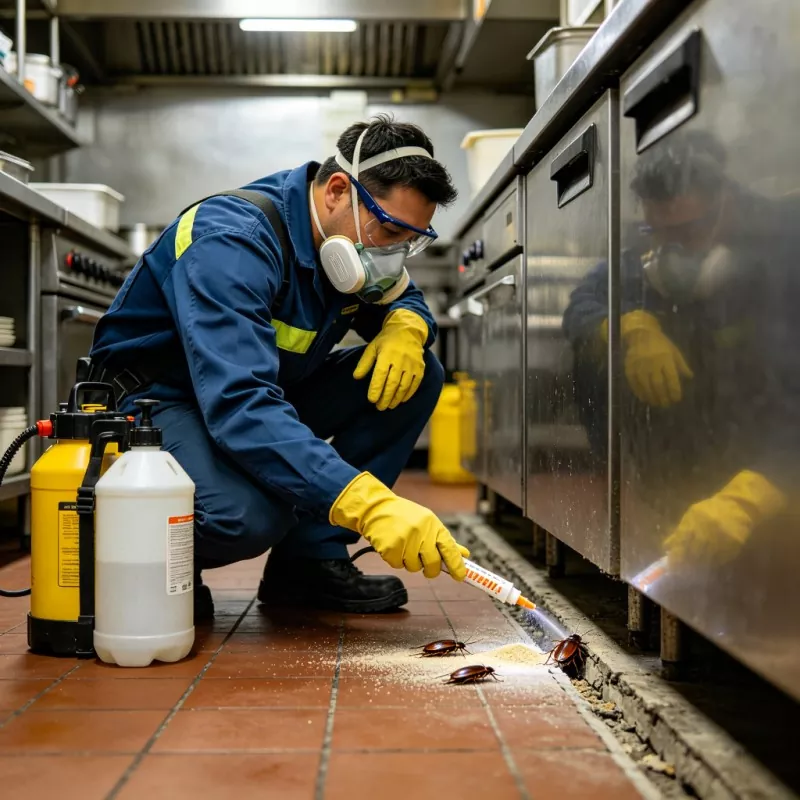
· Commercial kitchens: restaurants, hotels and catering facilities, where dust is confined to concealed voids and cracks
· Food processing: plants, mills and packaging facilities, in areas that are not subject to routine wet cleaning
· Institutional buildings: hospitals, schools and government buildings
· Commercial offices: break rooms, kitchens and restrooms
· Retail and grocery: stockrooms, food aisles and receiving areas
· Residential multi-unit: apartment buildings and condominiums
· Industrial facilities: warehouses, factories and break rooms
· Transportation: airplanes, trains, ships and food trucks, subject to the carrier or operator’s pest management plan
The following parameters are compiled from published regulatory application rates and extension guidance for insecticidal dusts. They are starting points for professional judgment, not a substitute for on-site inspection or the product label.
| Parameter | Guidance |
| Application rate, crack and crevice | Published dust bait labels give rates in the range of approximately 5 g/m² for thin-layer application in cracks, crevices and voids. Some EPA-registered dust bait labels use lower per-area rates for German and brown-banded cockroach maintenance programs, with higher rates for heavy infestations and larger species. Confirm the rate on the batch label before application. |
| Layer thickness | Thin, even film. A visible mound or pile is over-application; it is more likely to be displaced, tracked out of the void, or avoided by cockroaches. |
| Surfaces suitable for dust | Dry, protected cracks, crevices, wall voids, cabinet interiors behind panels, and concealed surfaces where wet cleaning is not performed. |
| Surfaces to avoid | Surfaces subject to routine wet cleaning; food contact surfaces; areas exposed to steam, grease or high humidity; surfaces where the dust would be visible and accessible to non-target exposure. |
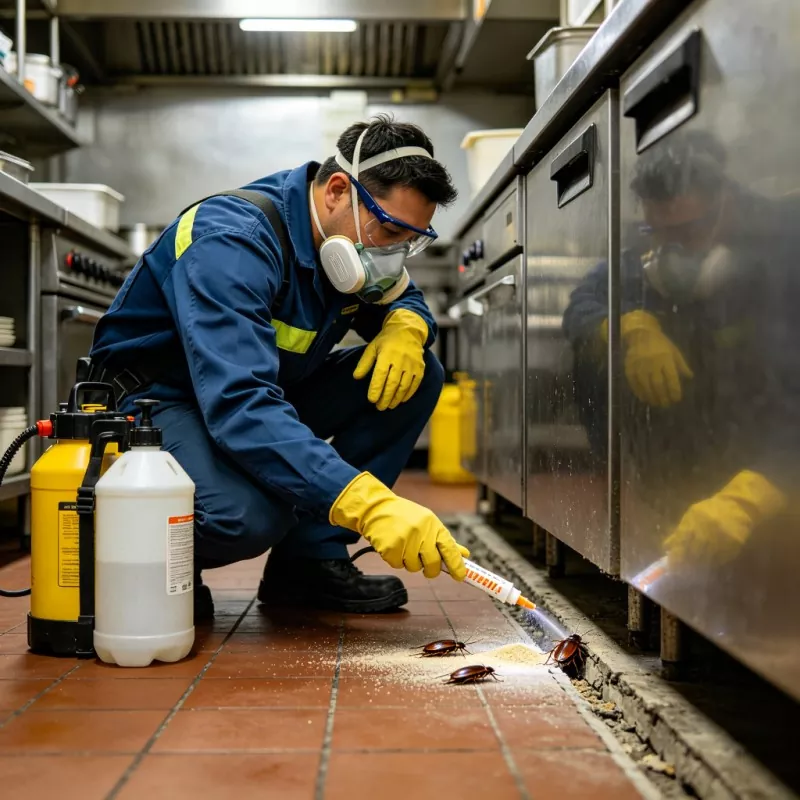
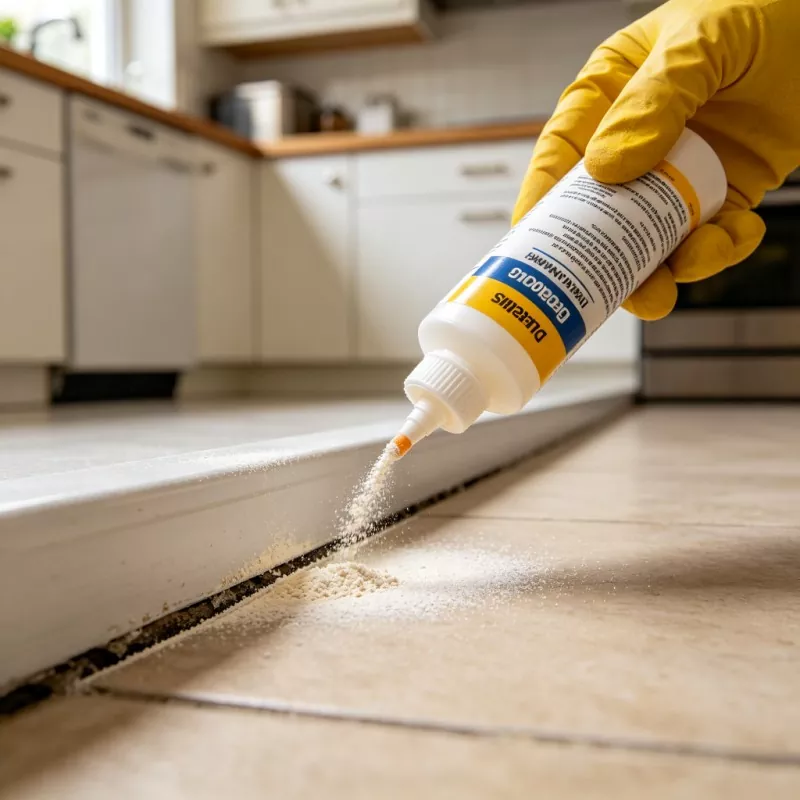
| Application method | Shaker bottle for controlled delivery into crack lines. For wall voids and inaccessible cavities, a professional puff-type dust applicator may be used to distribute a thin cloud of dust onto concealed surfaces. |
| Re-inspection interval | Every 14 to 28 days in dry, protected areas. Inspect more frequently in humid or high-traffic voids. Replenish if dust has been displaced, has caked, or is no longer present as a thin film. |
| Residual expectations | Published data for dust formulations in protected cracks and voids indicate residual activity in the range of several weeks to a few months, depending on humidity, air movement and disturbance. Residual activity in exposed or damp areas is shorter. Reapply according to inspection findings, not on a fixed calendar. |
· Confirm active harborages by inspection before dusting. Dust placed where cockroach activity has not been confirmed adds exposure without contributing to control.
· Apply a thin, even layer inside the crack or void. The objective is a film that insects will contact, not a barrier mound at the opening.
· For wall voids, insert the applicator through an existing opening or a small drilled hole and puff a short burst, then inspect with a flashlight where possible to confirm coverage.
· Do not dust surfaces that are routinely washed. Dust in a wet-cleaned area will be removed before it can act, and may contaminate cleaning equipment.
· Where gel bait is also used, keep dust out of the gel placement points. Do not apply gel over dust or dust over gel.
· After application, clean the exterior of the shaker bottle and store it separately from food, feed and application equipment used for other formulations.
Dust formulations with inorganic active ingredients, such as silica gel and boric acid, are often described as useful against insecticide-resistant cockroach populations because their modes of action differ from neurotoxic sprays and baits, and documented resistance to these active ingredients is limited. This is a reasonable general principle, but it should not be read as a guarantee for every dust product or every field population.
A 2025 review prepared for the California Structural Pest Control Board notes that only one peer-reviewed study in the previous decade involved any dust treatment against German cockroaches, and that newer organic bait dusts have received almost no independent field evaluation. The same review identifies three unresolved issues relevant to professional use: the lack of recent resistance studies for dust formulations, limited data on repellency and behavioral effects, and unknown interactions between dusts and gel baits when both are used in the same program.
For treatment design, this means three practical cautions apply. First, if a dust application is followed by no reduction in activity after a correctly placed and maintained treatment, the cause should be investigated before assuming resistance. Displacement, moisture, over-application and coverage by gel are more common explanations than active-ingredient failure. Second, rotation between formulations with different modes of action remains a recognized resistance management practice, but the decision to rotate should be based on treatment history and, where available, monitoring data. Third, dust should be used as one component of a program that includes sanitation and harborage reduction, not as a standalone repeated treatment.
· Read the product label before use. The label is the controlling document for use directions, application rates, restrictions and PPE requirements in the destination market.
· Wear a dust mask or respirator, gloves and eye protection during application. Avoid breathing dust. Avoid contact with skin, eyes and clothing.
· Do not eat, drink or smoke while handling the product.
· Keep out of reach of children and non-target animals. Store in the original container, locked, in a cool dry area separated from food, feed and water sources.
· Dispose of unused product and empty containers according to local regulations. Do not discharge dust to drains or watercourses.
· Full first aid information and handling details are provided in the Safety Data Sheet supplied with each order.
· If swallowed: Immediately call a poison center or doctor or physician.
· If on skin: Wash with plenty of soap and water.
· If in eyes: Rinse cautiously with water for several minutes. Remove contact lenses, if present and easy to do. Continue rinsing.
· If inhaled: Remove person to fresh air and keep comfortable for breathing.
· Full first aid information is provided in the Safety Data Sheet.
| Standard fill sizes | 50 g, 100 g, 200 g, 500 g, 1 kg shaker bottles; bulk containers |
| Display box | 6 or 12 bottles per professional display box |
| Master carton | Varies by pack size |
| Packaging type | Shaker bottles with precision nozzle; professional display boxes; bulk containers |
| MOQ | Negotiable for professional clients and distributors |
| Shipping terms | FOB Shanghai, CIF or DDP, subject to regulatory requirements |
| Payment methods | T/T, L/C, Western Union, Trade Assurance |
| Lead time | 15 to 25 days for stock items; 30 to 45 days for custom OEM |
| Port of loading | Shanghai or Ningbo |
| Documentation | SDS, COA, MSDS and export documentation provided |
| Regulatory compliance | Buyer responsible for verifying local import and use regulations, including active ingredient registration status |
Gel bait is applied as discrete deposits and depends on consumption. It is most useful where active harborages can be located precisely and where deposits can be inspected and replenished. Dust is applied as a thin layer inside voids and crack lines. Depending on the active ingredient, it may act through cuticular contact, ingestion, or both. Dust covers a larger concealed surface area than a gel deposit, but it is more vulnerable to displacement by air movement, moisture, grease and cleaning. The two formulations address different physical constraints and should be selected according to the harborage type, not treated as interchangeable products.
Published dust labels and regulatory documents give rates in the range of approximately 5 g/m² for thin-layer crack and crevice application, with some EPA-registered dust baits using lower per-area rates for maintenance programs and higher rates for heavy infestations or larger species. The layer should be a thin film, not a visible mound. Over-application increases the chance that the dust will be displaced, tracked out of the void, or avoided. Confirm the exact rate on the label of the batch supplied, because active ingredient concentration and registered use patterns differ between products and markets.
In dry, protected cracks and voids, published data for dust formulations indicate residual activity in the range of several weeks to a few months. Humidity, air movement, grease accumulation and physical disturbance shorten that period. In damp voids or areas near drains, residual activity may be substantially shorter. Inspect at 14 to 28 day intervals in protected areas, and more frequently in humid or high-traffic voids. Replenish when the dust is no longer present as a thin film, has caked, or has been displaced. Do not rely on a fixed calendar schedule in place of inspection.
They can be used in the same overall program, but not in direct physical contact. Dust that settles onto a gel deposit can reduce palatability or cover it. Gel applied over a dust-treated surface can prevent the dust from contacting the insect cuticle. A practical separation is to assign dust to enclosed voids and inaccessible cavities, and gel to exposed crack lines and hinge points where inspection and replenishment are possible. Document which points are dusted and which are gelled, and do not apply one over the other. Published extension guidance flags this co-application risk as an unresolved area in need of more field data, so the separation should be maintained as a precaution.
Use in food handling areas is governed by the label in the destination market and by applicable food safety regulations. Dust should be confined to cracks, crevices and concealed voids, and must not be applied to food contact surfaces or where food is exposed. Dust is not appropriate for surfaces subject to routine wet cleaning. The buyer or applicator is responsible for confirming that the intended placement is consistent with the local label and the facility food safety plan.
Each shipment is accompanied by a Safety Data Sheet and a Certificate of Analysis for the batch. The SDS covers hazard identification, first aid, handling and storage, and disposal. The COA documents active ingredient content and relevant quality parameters for the batch supplied. These documents support the buyer’s internal hazard communication and quality records. They do not replace the requirement to verify local registration or import eligibility for the active ingredient.
Shelf life is 24 months from the date of manufacture when the container remains sealed and is stored in a cool, dry place below 35°C. Store in the original container, locked, and separated from food, feed and water sources. Do not use product that has been exposed to moisture, which can cause caking and reduce flowability. Discard containers that have been opened and left in humid conditions for extended periods.
Yes. OEM and ODM are available for professional pest control distributors and brand owners. Custom bottle sizes, labeling and packaging formats can be discussed against minimum order quantities. Private label does not alter the buyer’s responsibility to ensure that the label and claims used in the destination market are compliant with local regulatory requirements, including the registration status of the active ingredient.
Address
Changlingzi Village, Changcheng Subdistrict, Lushunkou District, Dalian City, Liaoning Province, China
Tel