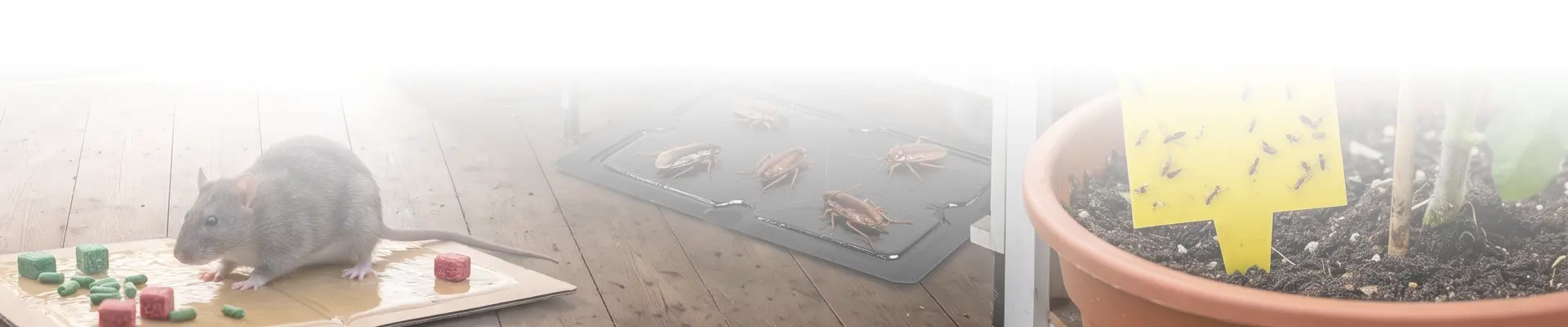
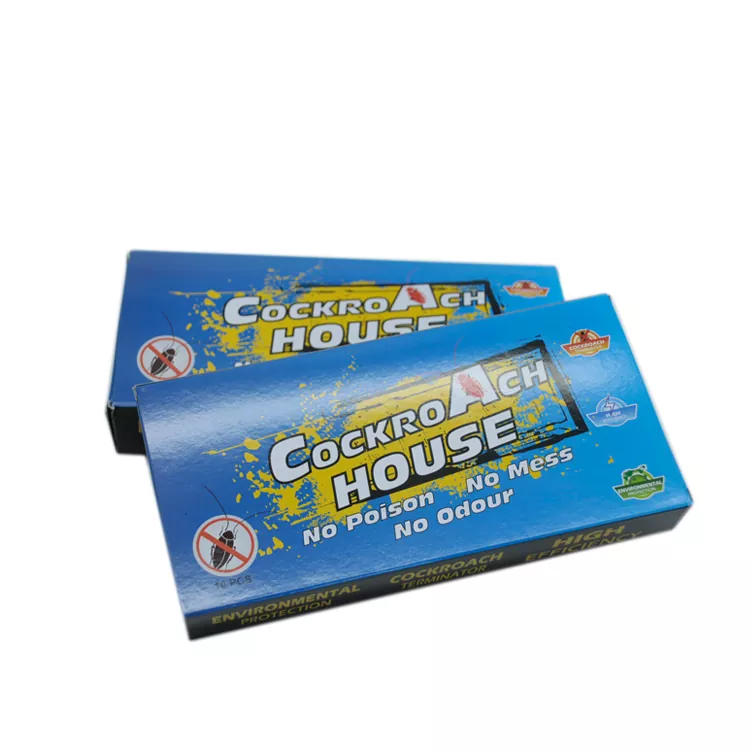
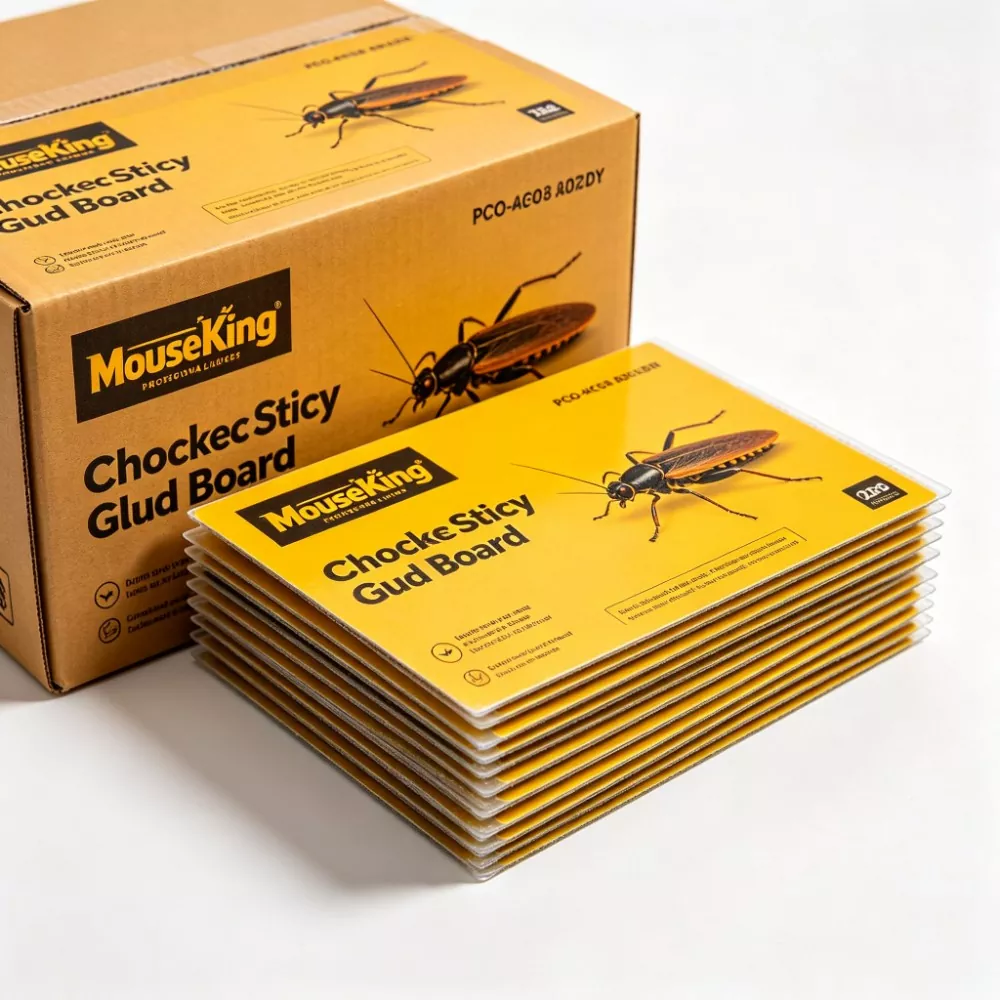
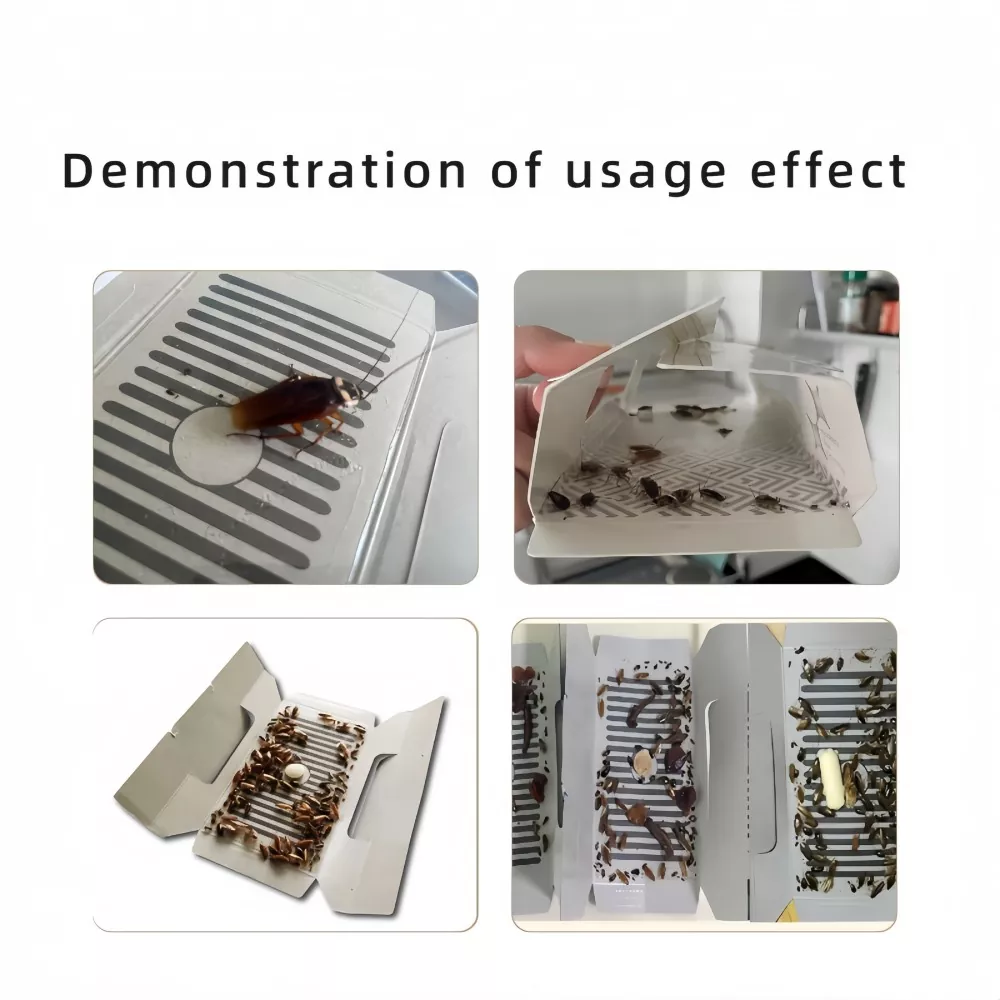
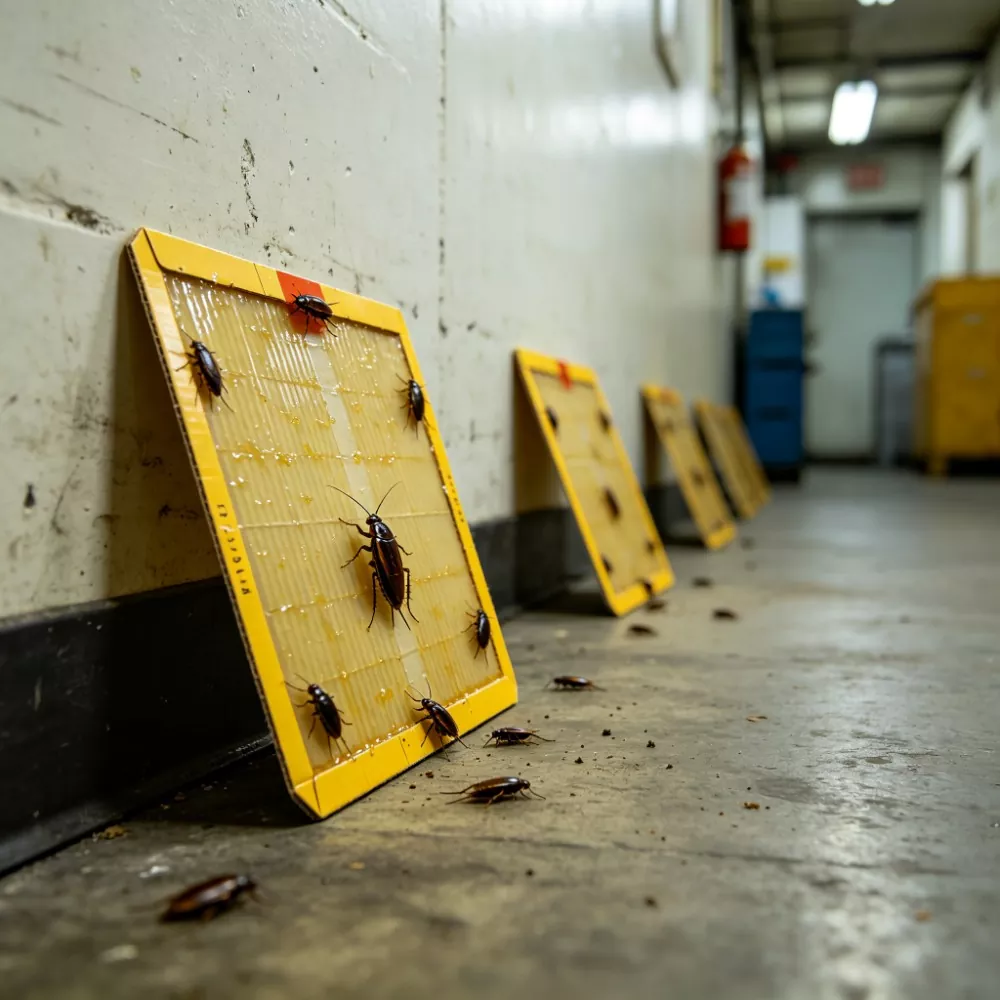
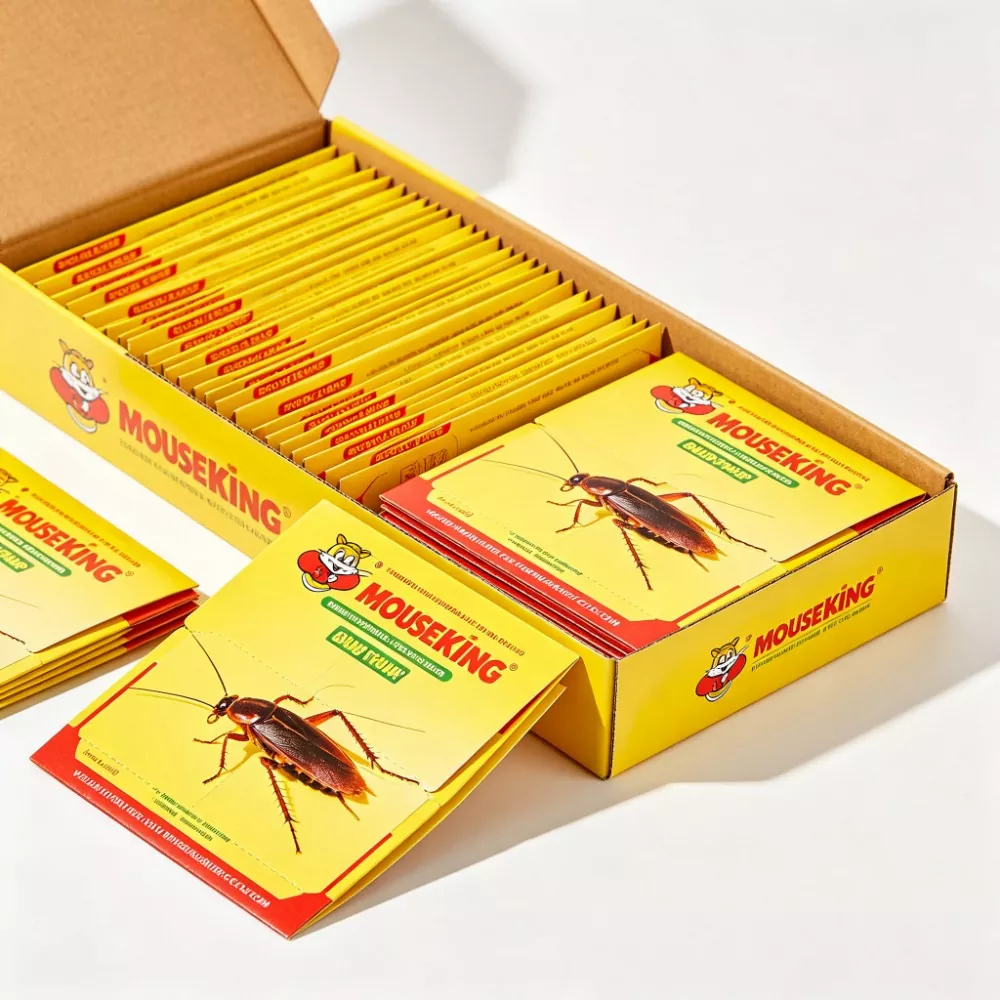
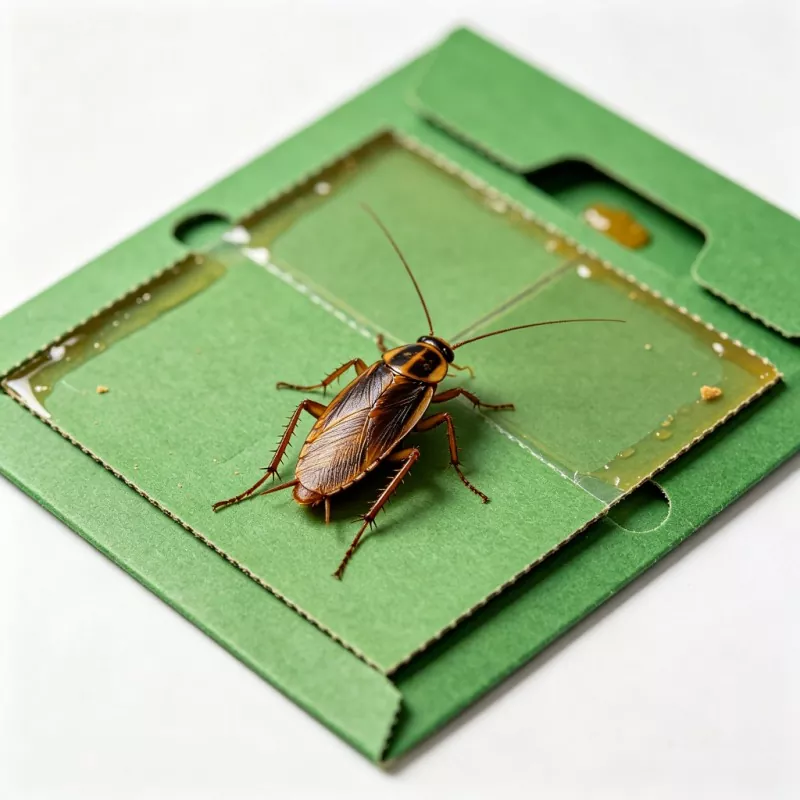
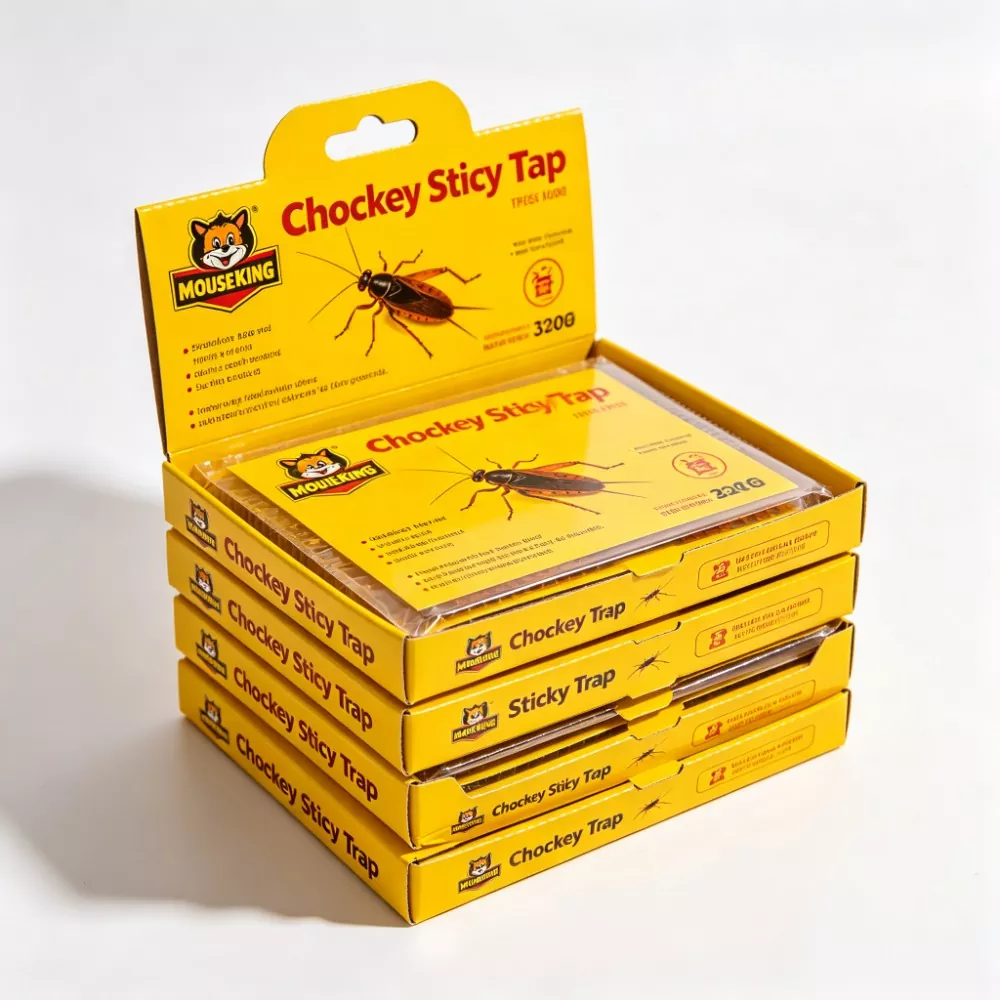
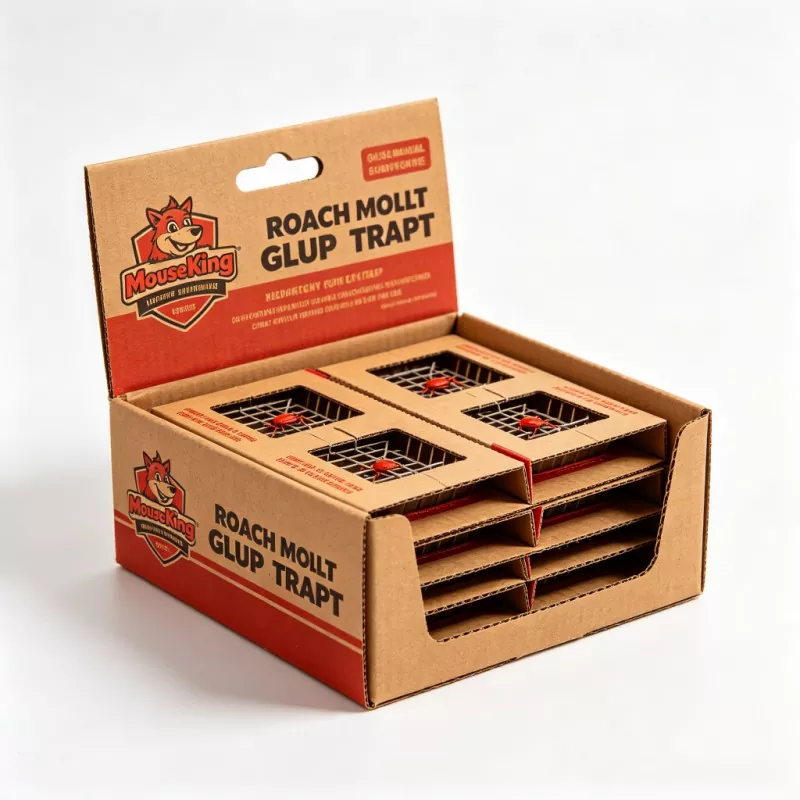
GOLDEN-CAT Cockroach Sticky Glue Board is a professional-grade crawling insect monitoring and control solution designed for integrated pest management (IPM) programs. Featuring a large flat adhesive surface with ultra-strong glue, this board is ideal for mass deployment in commercial, industrial and residential settings for cockroach monitoring and population control. The economical design makes it a cost-effective choice for pest control operators (PCOs), facility managers and food safety professionals who require consistent, reliable results across large areas.
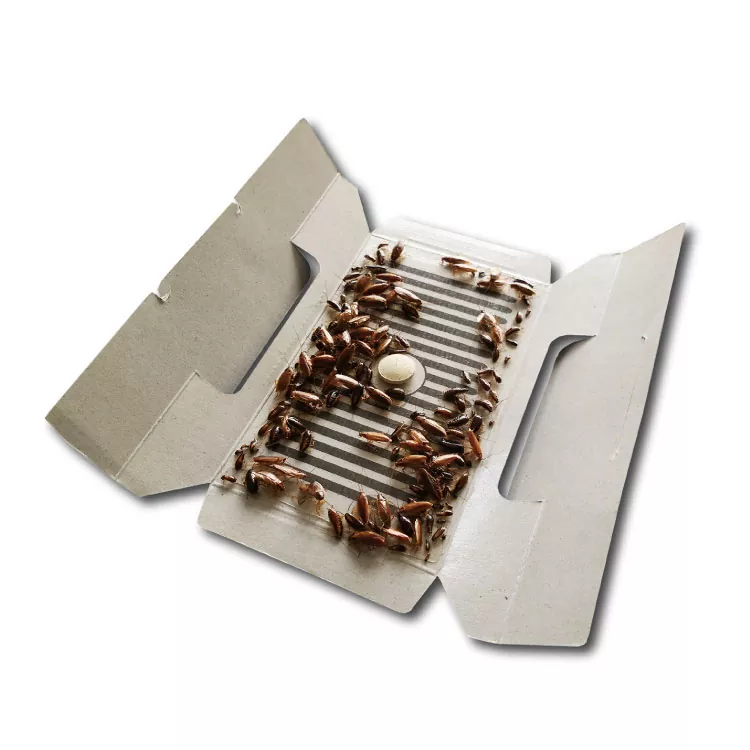
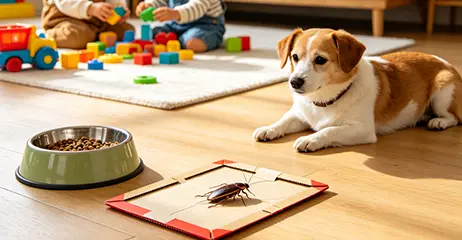
A flat card board with a 1.5 to 2.0 mm glue layer, used to survey where cockroach activity is concentrated before a treatment plan is set. The Cockroach Sticky Glue Board has no bait and no roof, so the catch reflects position rather than attraction. It is supplied by Dalian Golden-Cat Rodenticide Co., Ltd. to pest control companies, facility teams and distributors. Board size, glue thickness, board color and inner pack format can be specified for OEM orders.
Board Data
Product
Cockroach Sticky Glue Board, flat type
Base
Thick corrugated cardboard
Glue layer
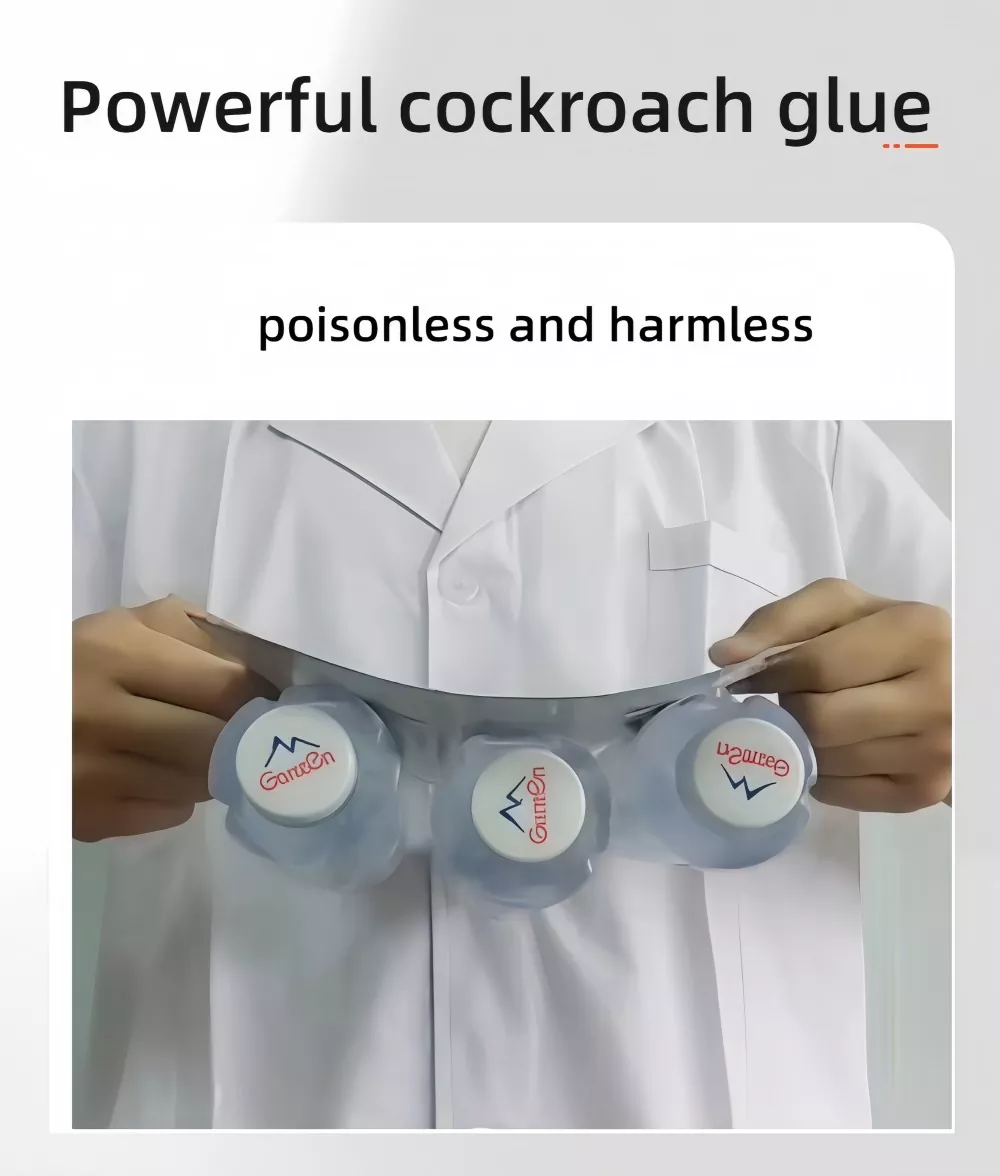
1.5 to 2.0 mm, non-drying, no pesticide active ingredient
Board size
25 × 15 cm / 30 × 20 cm
Board color
White / Yellow / Brown
Catch range
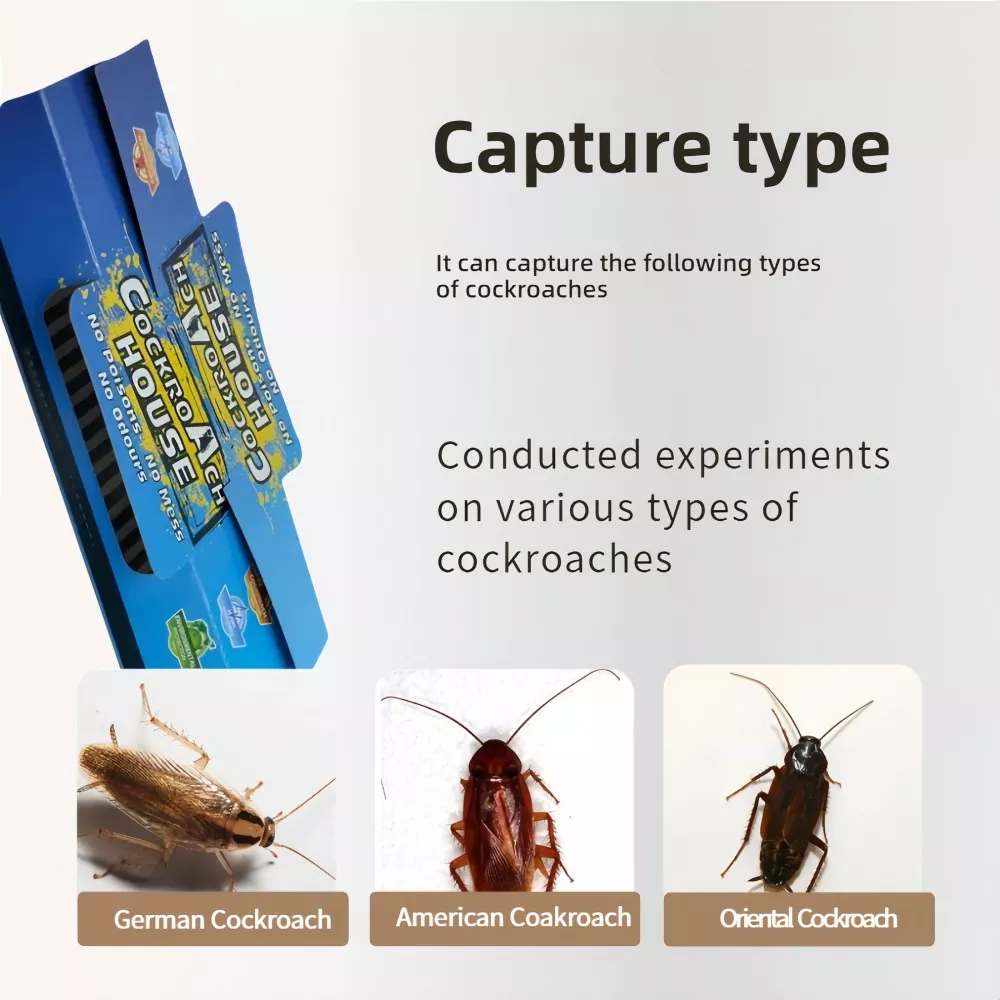
Cockroaches, silverfish, spiders, crickets, earwigs and similar crawling insects
Inner pack
10 pcs, polybag or paper sleeve
Master box
100 pcs
Export carton
500 pcs, approx. 60 × 40 × 30 cm
Service period
Up to 12 weeks in clean, dry positions; 4 to 6 weeks in dusty or greasy positions
Shelf life
24 months sealed, cool and dry
Documents
Adhesive composition statement, board material statement, export paperwork
No Bait Is the Point
A baited trap catches more insects, and that is exactly why it is a poor survey tool. The catch from a baited trap reflects the bait as much as the population. A flat board with no bait removes that variable.
When a technician places a grid of plain boards, the number at each point reflects how many insects moved across that point. Points with high counts indicate nearby harbourage. Points with low counts indicate little movement, even if the bait in a nearby baited trap would have pulled insects from further away. The plain board shows the edge of the activity, not a lure-drawn circle around it.
This is also why the board is cheap and flat rather than enclosed. A survey needs many points, and each point needs to be identical. A baited or roofed board changes the catch through attraction and shelter, which defeats the purpose of comparing points.
Survey Grid and Point Numbering
The density figures of one board per 10 to 15 m² for routine survey and one board per 5 to 8 m² for an active infestation only work if the boards are placed on a planned pattern with numbered points.
· A floor plan with numbered points is the starting document. Without it, a count cannot be mapped to a location.
· Points stay in the same place between visits. If a point has to move, note the date and the reason on the record.
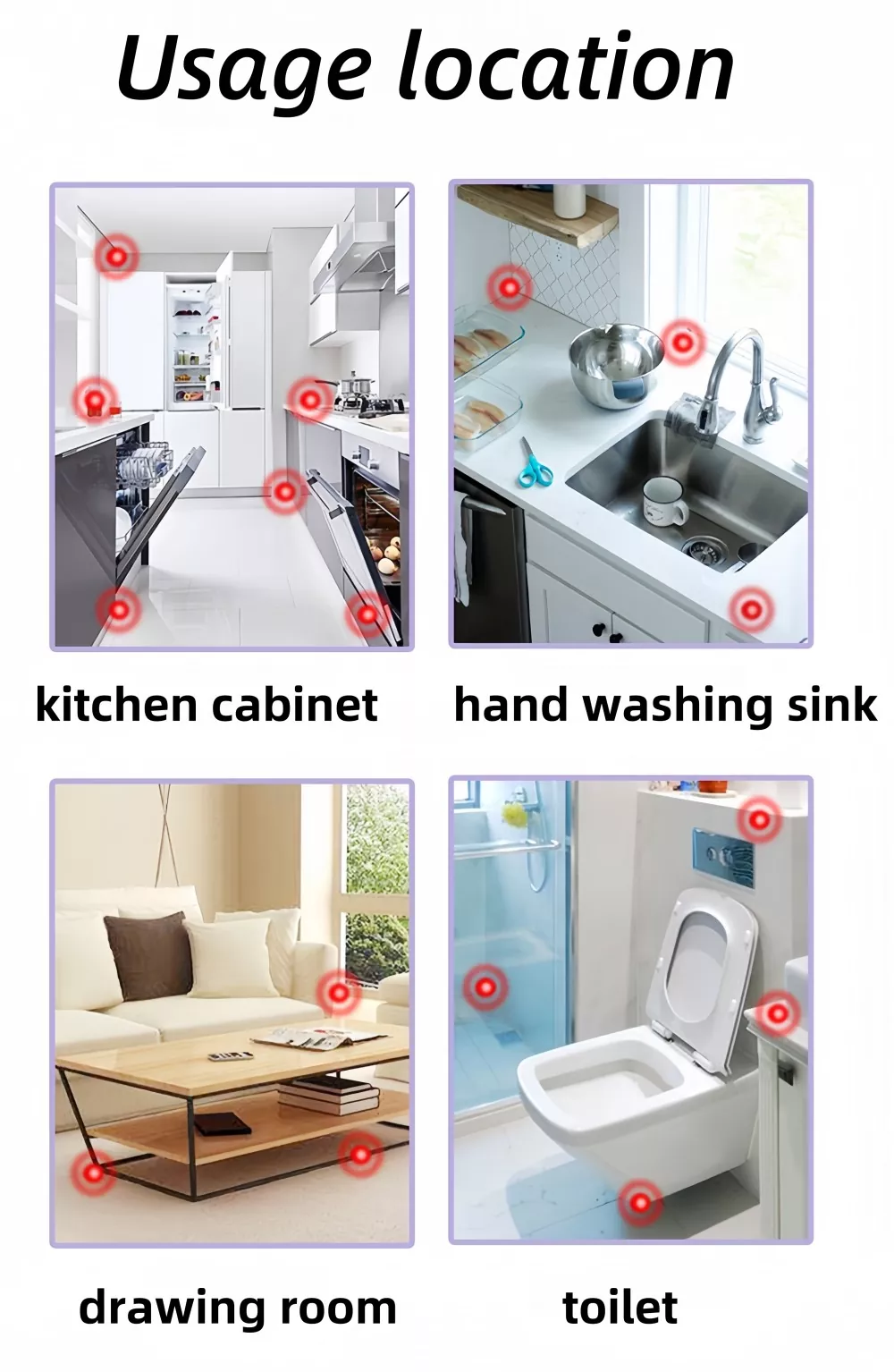
· The long edge goes against a wall, a cabinet base or a pipe run. A board placed in open floor area measures very little.
· The first survey should cover the risk areas: kitchens, dishwash areas, staff rooms, store rooms, bin stores and wall penetrations. A grid that covers only corridors misses the harbourage.
· Points are distributed across the site, not clustered in one corner. A cluster produces a high local count and no information about the rest of the building.
For an active infestation, the density increases near the suspected harbourage. The grid stays in place, but the spacing between points near the source is reduced.
Reading the Catch
A single count is not a trend. Several conditions move the number before the population does.
· Board condition. A board that has been down for 12 weeks catches less than a fresh board at the same point, because dust and grease reduce tack. The count falls even if the population has not changed.
· Season. Cockroach movement changes with temperature and humidity. A July count and a January count from the same point are not directly comparable.
· Life stage. A count that does not separate adults from nymphs hides whether the population is breeding. A rising nymph proportion is a different signal from a rising adult count.
· Species. German, American and Oriental cockroaches have different harbourage and different movement paths. A count that does not record species cannot be used to target a treatment.
A practical record includes the point number, the date, the species, the adult count, the nymph count and the board condition. Without those fields, the count is an anecdote.
White, Yellow and Brown
The three board colors differ in visibility, not in attraction.
White. The highest contrast against a dark floor, a shadow line under a cabinet or a pipe run. Easiest to find during a service round and easiest to photograph for a report. The usual choice where boards must be located quickly.
Yellow. Visible but less stark than white. Used where the board sits in a semi-visible position and should not stand out sharply.
Brown. Blends with a wooden cabinet base, a cardboard box or a brown floor. Used where the board should be discreet, such as a client-facing area or a residential setting.
The color does not change the glue or the catch rate. It changes how quickly a technician can find the board and how visible it is to the people in the space.
Plain Board and Baited House Side by Side
A plain board and a baited house serve different roles in the same program, and using only one of them leaves a gap.
A plain board is a survey instrument. It shows where insects move and in what numbers, without the distortion of a lure. It is the basis for deciding where to place treatment and where to concentrate monitoring points.
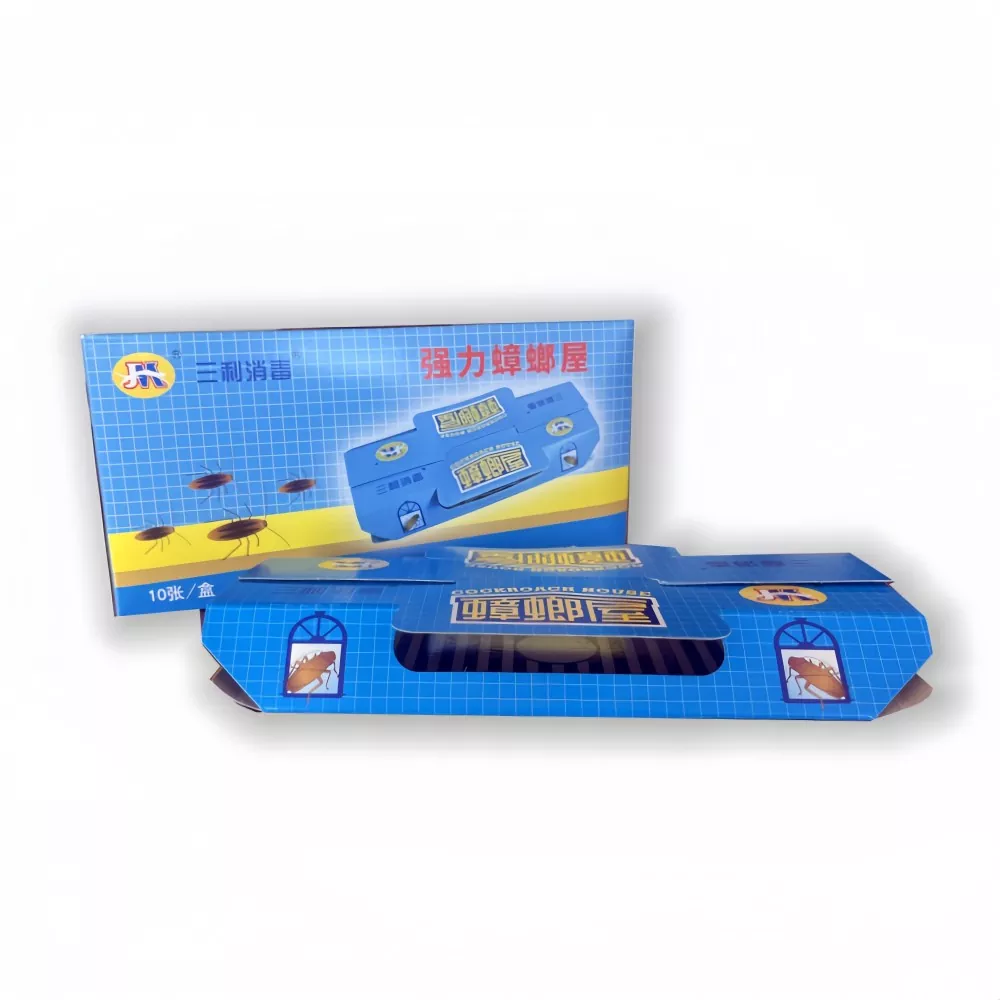
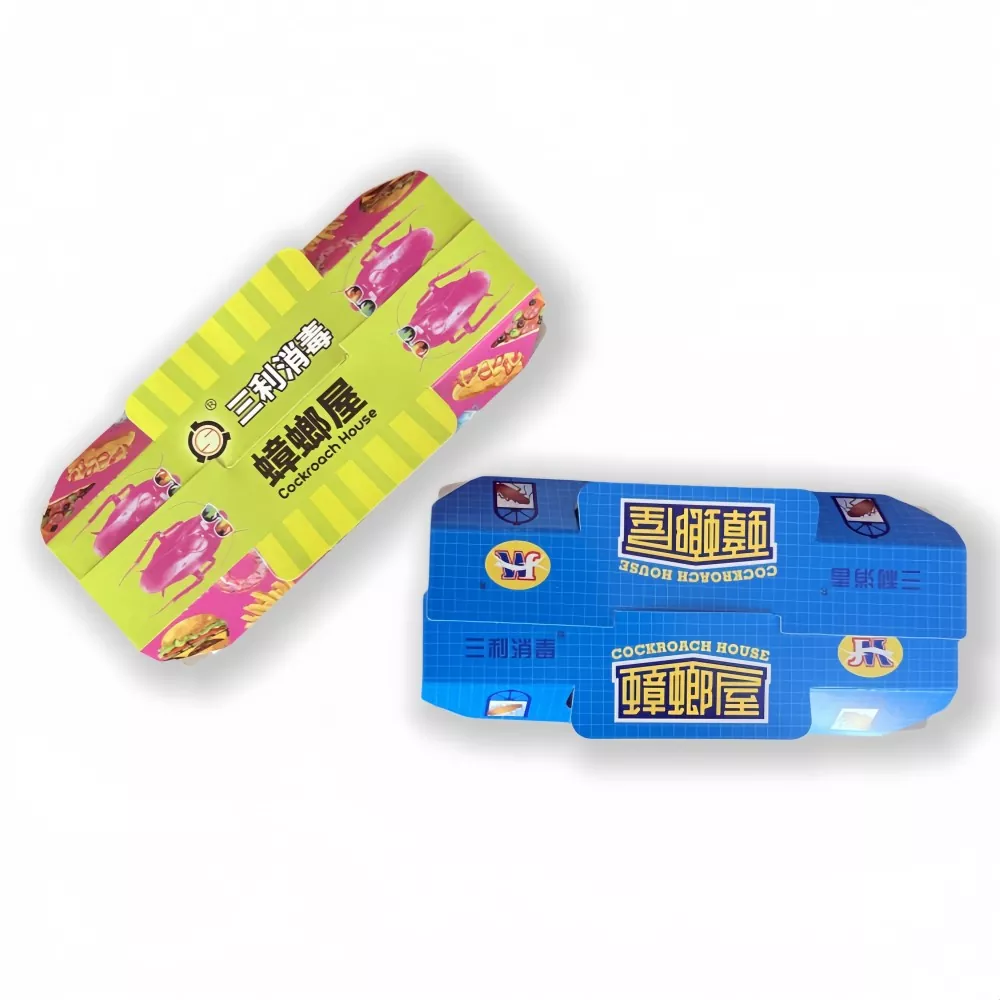
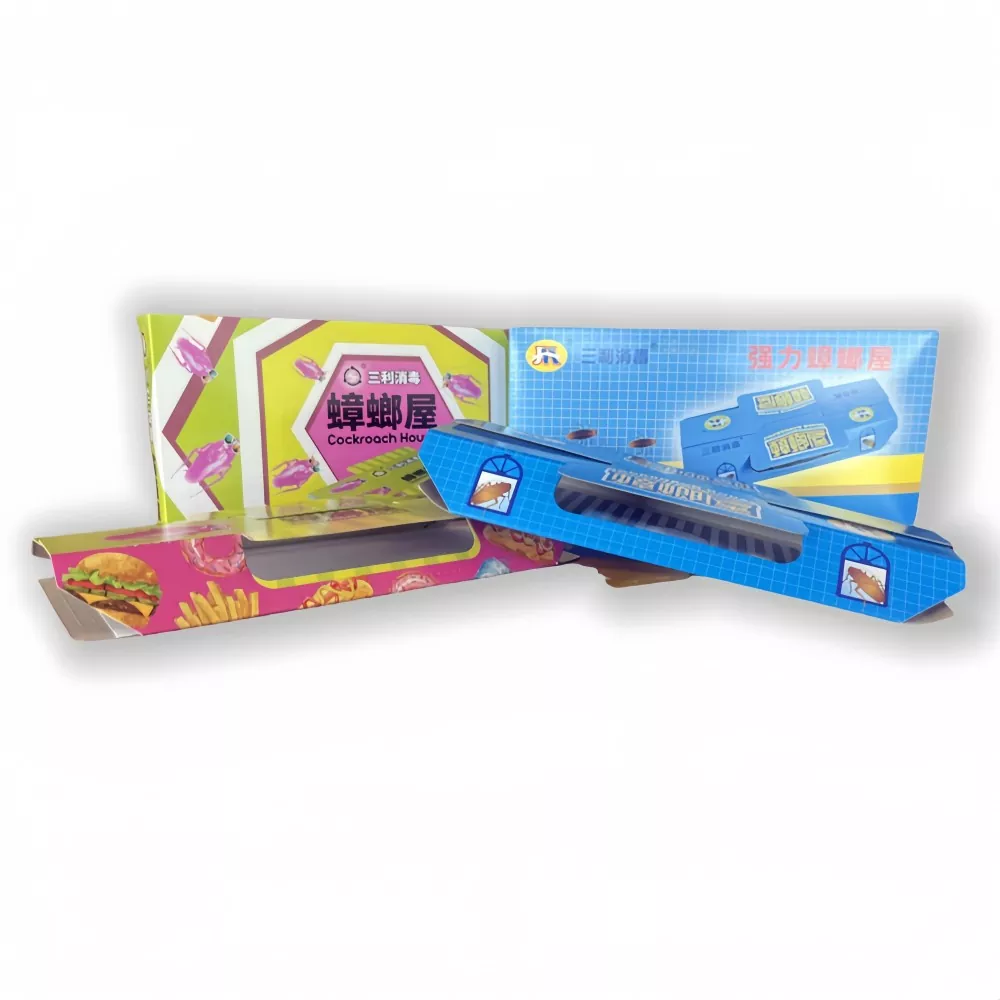
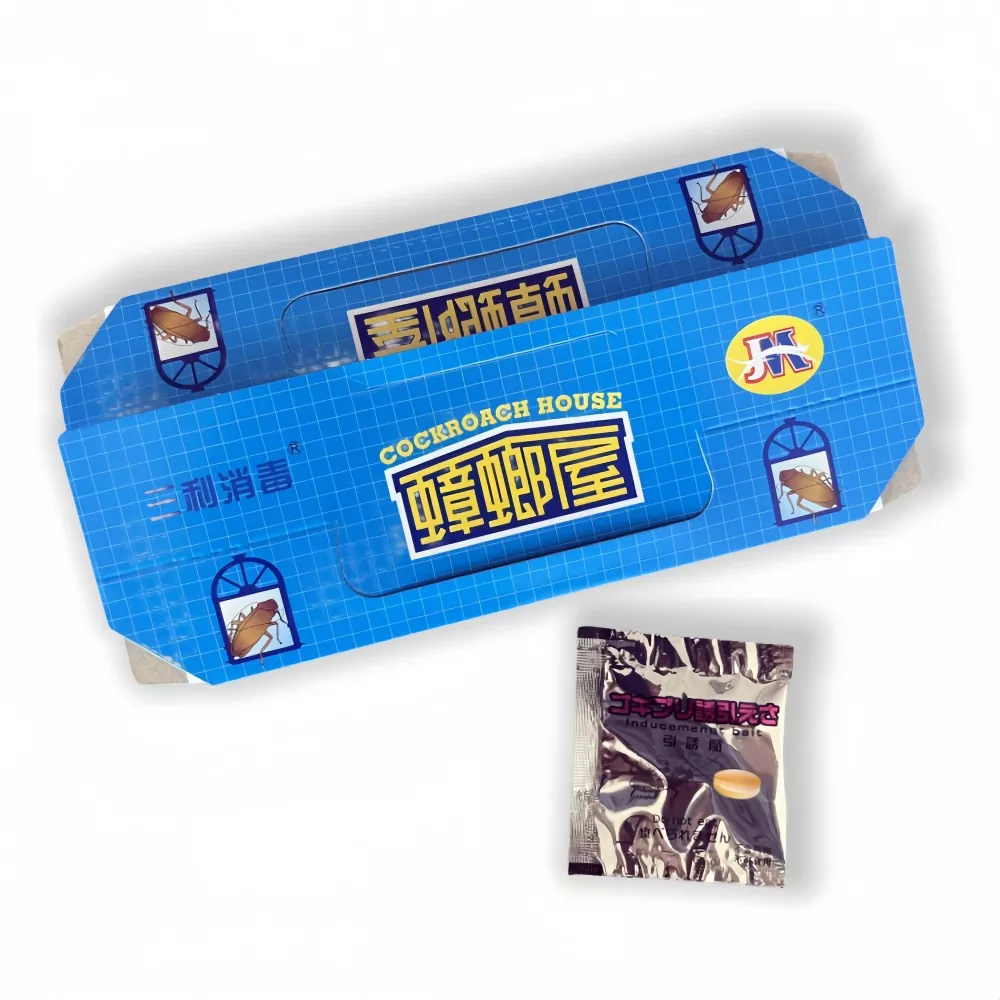
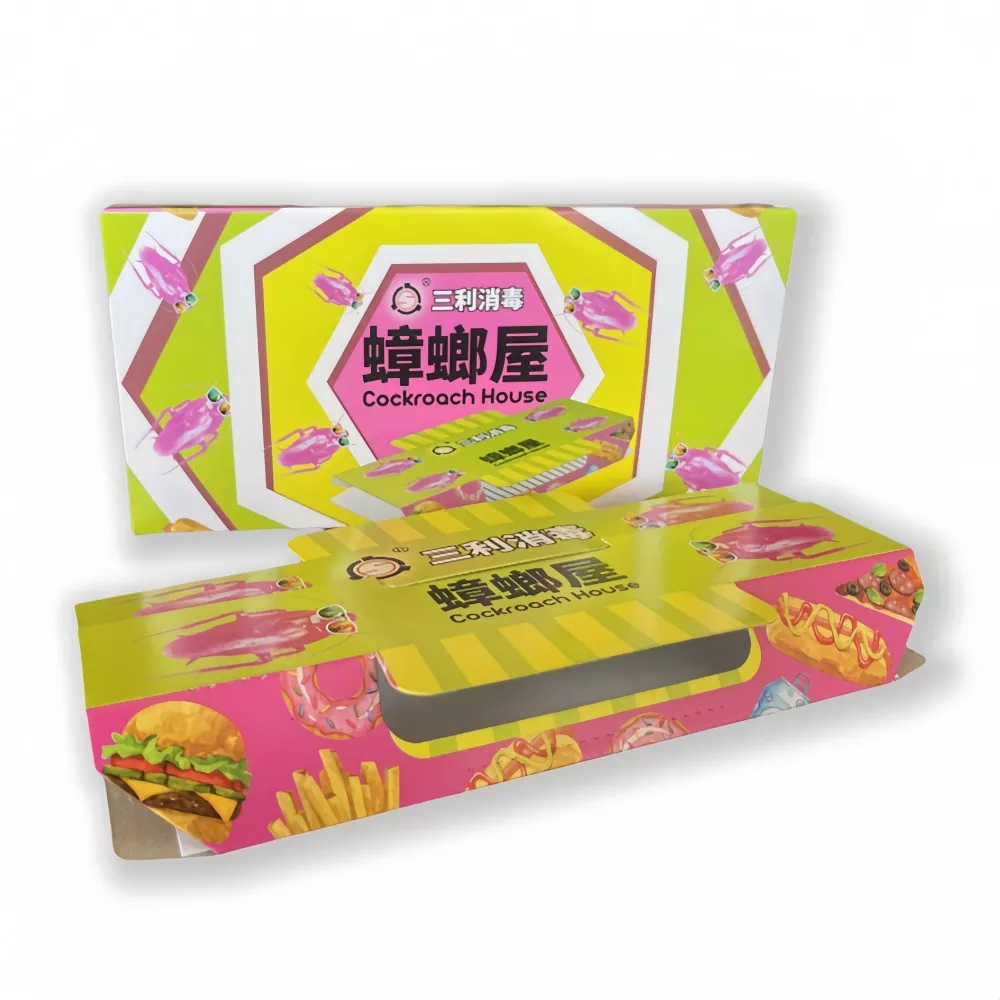
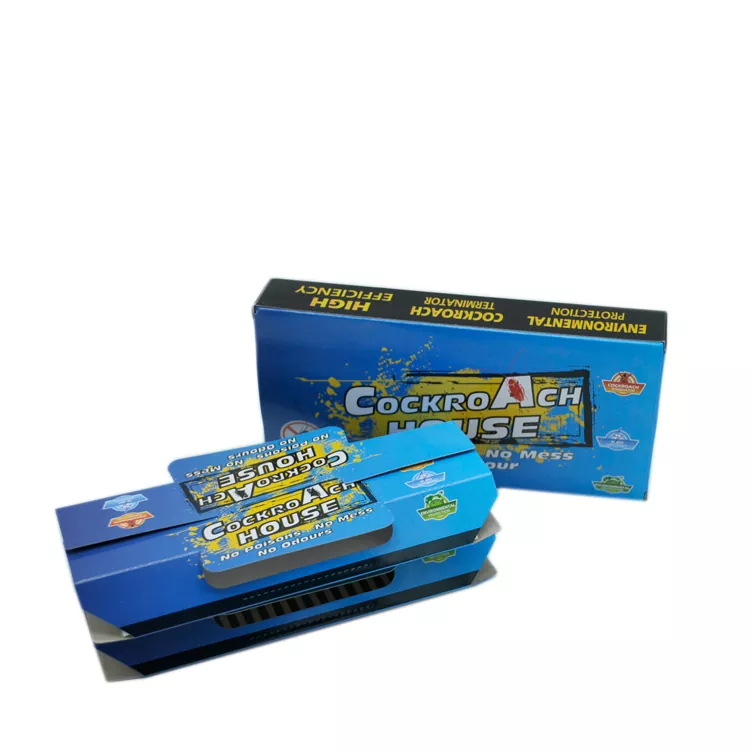
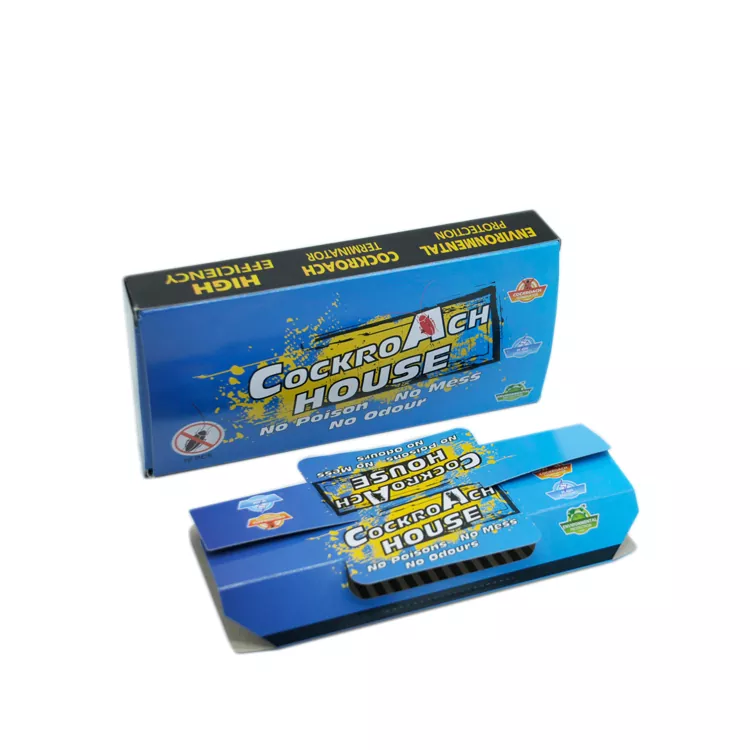
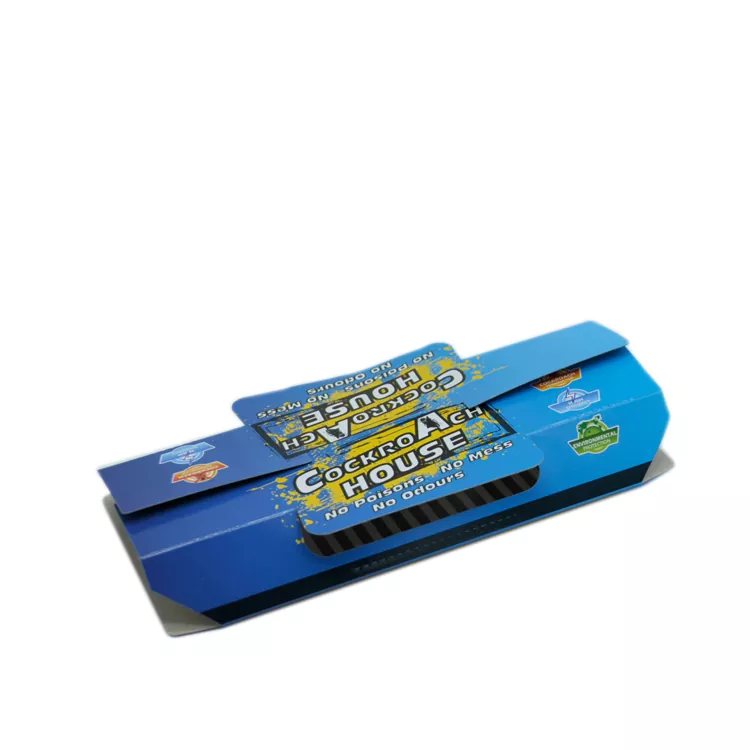
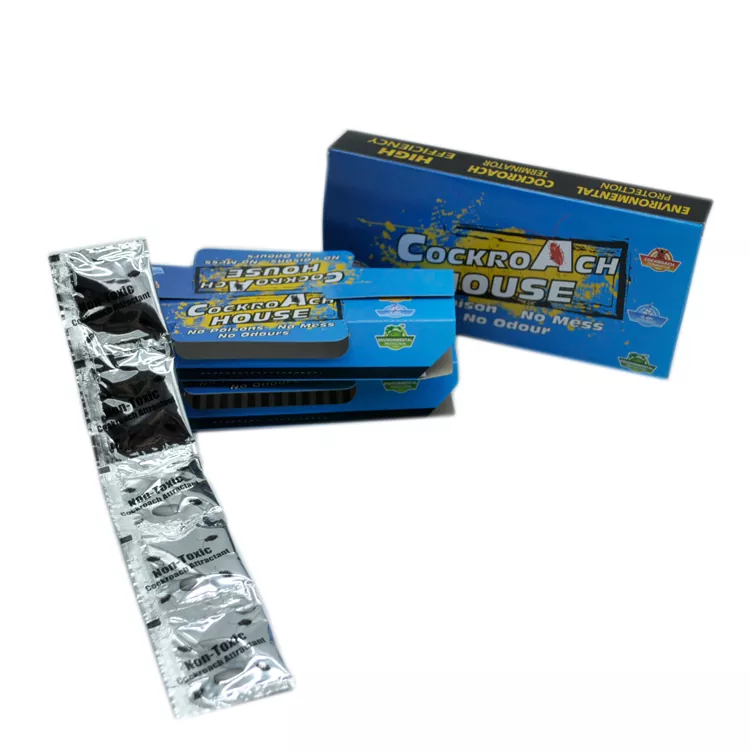
A baited house is a control tool. It attracts insects from a short range, shelters them and captures them. It reduces the adult population near the harbourage, but its catch cannot be compared between points because each house has its own bait and shelter effect.
A program that uses plain boards for the survey grid and baited houses near the harbourage gets both a measurement and a knock-down. A program that uses only baited houses sees high counts with no reliable spatial comparison. A program that uses only plain boards measures accurately but reduces the population slowly.
Positions Where the Board Fails
· Wash-down areas. The card base absorbs water and curls at the edges. A curled board lifts the glue off the floor and catches less. A plastic-backed board or a different method is needed.
· Greasy kitchen positions. Cooking grease settles on the glue and reduces tack within weeks. Boards near a fryer or a grill need replacement at 4 to 6 weeks.
· Dusty store rooms. Flour, grain dust and packaging dust form a visible film on the surface. The board stops catching before it is full.
· Outdoor and semi-outdoor positions. Rain and direct sun destroy the card. A sheltered position under a roof can work for a shorter period, but outdoor survey needs a different format.
· Heavy infestation as the only measure. The board catches insects that cross it. It does not remove harbourage, eggs or food. A heavy infestation needs sanitation, exclusion and a baiting or insecticide program alongside the boards.
Audit Paperwork
In a food processing or storage facility, the board is a consumable and the record is the deliverable. An auditor reviews the record, not the board.
· A floor plan with numbered survey points.
· A count by point, species and life stage for each inspection.
· Board replacement dates by point.
· Any change in point position, with the date and reason.
· Corrective action taken when a count threshold is exceeded.
· A trend chart covering the audit period.
The board contains no pesticide active ingredient, so it does not introduce a chemical residue into the production area. It should still be placed so that it cannot fall into open product, and a used board should be removed from the production area before disposal. A board bagged beside an open line is still a contamination risk during the removal step.
Inner Pack and Technician Workflow
The pack structure follows how a technician works on site.
The 10-piece inner pack is what a technician carries on a service round. It is enough to replace the boards at a set of points without carrying a full box. A polybag is cheaper and lighter. A paper sleeve opens more easily with gloves on and produces less plastic waste on site. Confirm which format is in the carton on the purchase order.
The 100-piece master box is the branch stock unit. The 500-piece export carton is the distributor order unit. A branch that serves several technicians needs the master box, not the export carton.
Ordering Details
Production site
Dalian Golden-Cat Rodenticide Co., Ltd., Dalian, China
OEM options
Board size, glue thickness, board color, inner pack and print
Order threshold
5,000 pcs standard; trial orders negotiable
Production lead time
7 to 10 days for stock; 20 to 25 days for custom OEM
Shipment ports
Shanghai / Ningbo
Trade terms
FOB / CIF / DDP
Payment terms
T/T, L/C
Carton configuration
500 pcs, approx. 60 × 40 × 30 cm
Buyer Questions
Why is there no bait on this board?
The absence of bait is deliberate. A baited trap catches insects from a short distance, so the catch reflects the bait as much as the population. A plain board shows where insects already move. That is what a survey grid needs to measure.
Can I use this board instead of a baited cockroach house?
The two do different jobs. The plain board measures movement. The baited house reduces the adult population near the harbourage. A program usually uses both. Replacing one with the other leaves either the measurement or the knock-down missing.
Why is my count lower than last month when I have not treated anything?
Check the board condition first. A board that has been down for several weeks collects dust and grease, and tack drops before the board looks full. Replace the board at the same point and compare the next count before changing the program.
Is a 1.5 to 2.0 mm glue layer enough for a large American cockroach?
The glue is uniform across the board and formulated for crawling insects. A large adult may pull free from the edge if only part of the body contacts the glue. Place the board along a wall so the insect crosses the full width of the glue, not just the edge.
Can the board be used in a wash-down area?
The card base softens when wet. A plastic-backed board or a different method is needed in wash-down areas. The standard board is for dry positions.
Is RoHS or a food-safe certificate applicable?
RoHS applies to electrical and electronic equipment, so it does not apply here. A food-contact certificate applies to items that touch food, and this board is not intended to contact food. The relevant documents are the adhesive composition statement and the board material statement.
Which color should I order for a PCO program?
White is easiest to find and to photograph during a service round. Brown is discreet in a client-facing or residential area. Yellow sits between the two. The color does not change the catch rate, so choose based on how visible the board needs to be.
What pack format suits a service technician?
The 10-piece inner pack is the carry unit for one service round. The 100-piece master box is the branch stock unit. The 500-piece export carton is the distributor order unit. Confirm the inner pack format, polybag or paper sleeve, on the purchase order.
We use cookies to offer you a better browsing experience, analyze site traffic and personalize content. By using this site, you agree to our use of cookies. Privacy Policy