Products
Cockroach Glue Trap with Bait
  • Cockroach Glue Trap with BaitCockroach Glue Trap with Bait
  • Cockroach Glue Trap with BaitCockroach Glue Trap with Bait
  • Cockroach Glue Trap with BaitCockroach Glue Trap with Bait
  • Cockroach Glue Trap with BaitCockroach Glue Trap with Bait
  • Cockroach Glue Trap with BaitCockroach Glue Trap with Bait
  • Cockroach Glue Trap with BaitCockroach Glue Trap with Bait
  • Cockroach Glue Trap with BaitCockroach Glue Trap with Bait
  • Cockroach Glue Trap with BaitCockroach Glue Trap with Bait
  • Cockroach Glue Trap with BaitCockroach Glue Trap with Bait
  • Cockroach Glue Trap with BaitCockroach Glue Trap with Bait
  • Cockroach Glue Trap with BaitCockroach Glue Trap with Bait
  • Cockroach Glue Trap with BaitCockroach Glue Trap with Bait
  • Cockroach Glue Trap with BaitCockroach Glue Trap with Bait
  • Cockroach Glue Trap with BaitCockroach Glue Trap with Bait

Cockroach Glue Trap with Bait

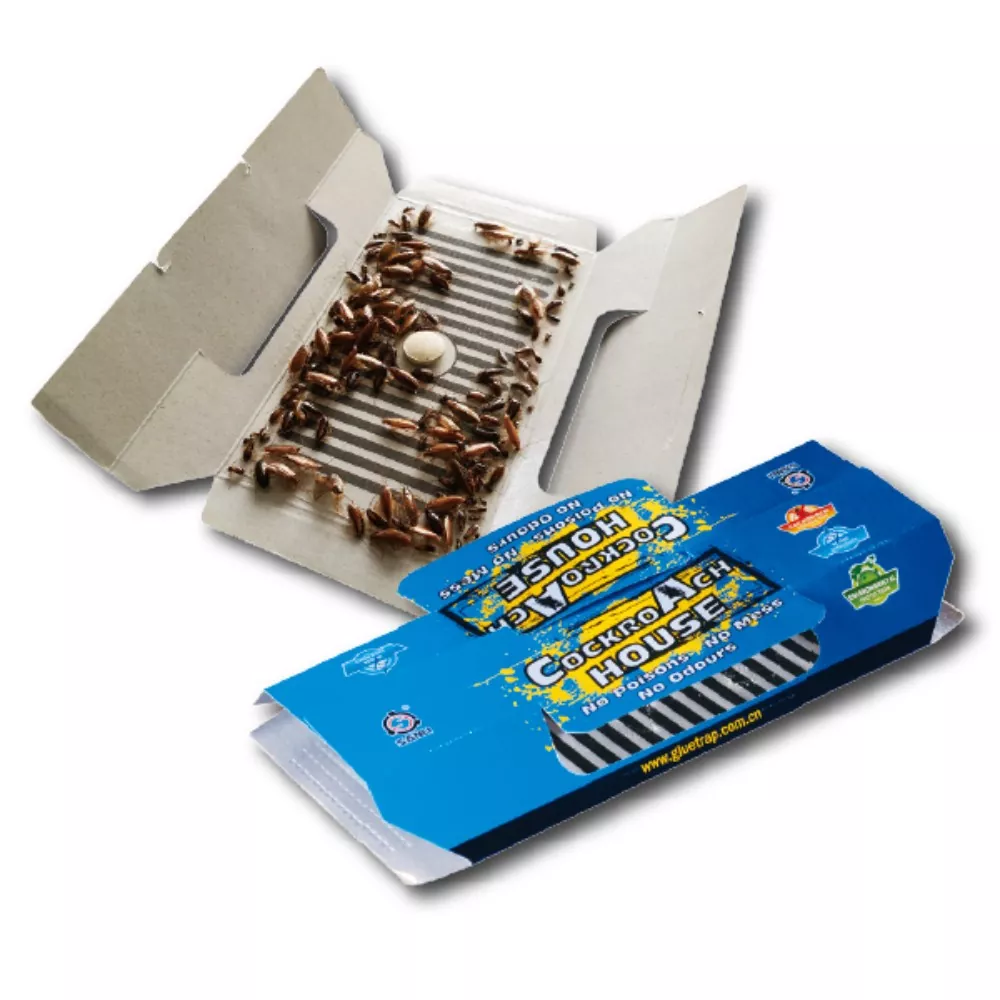
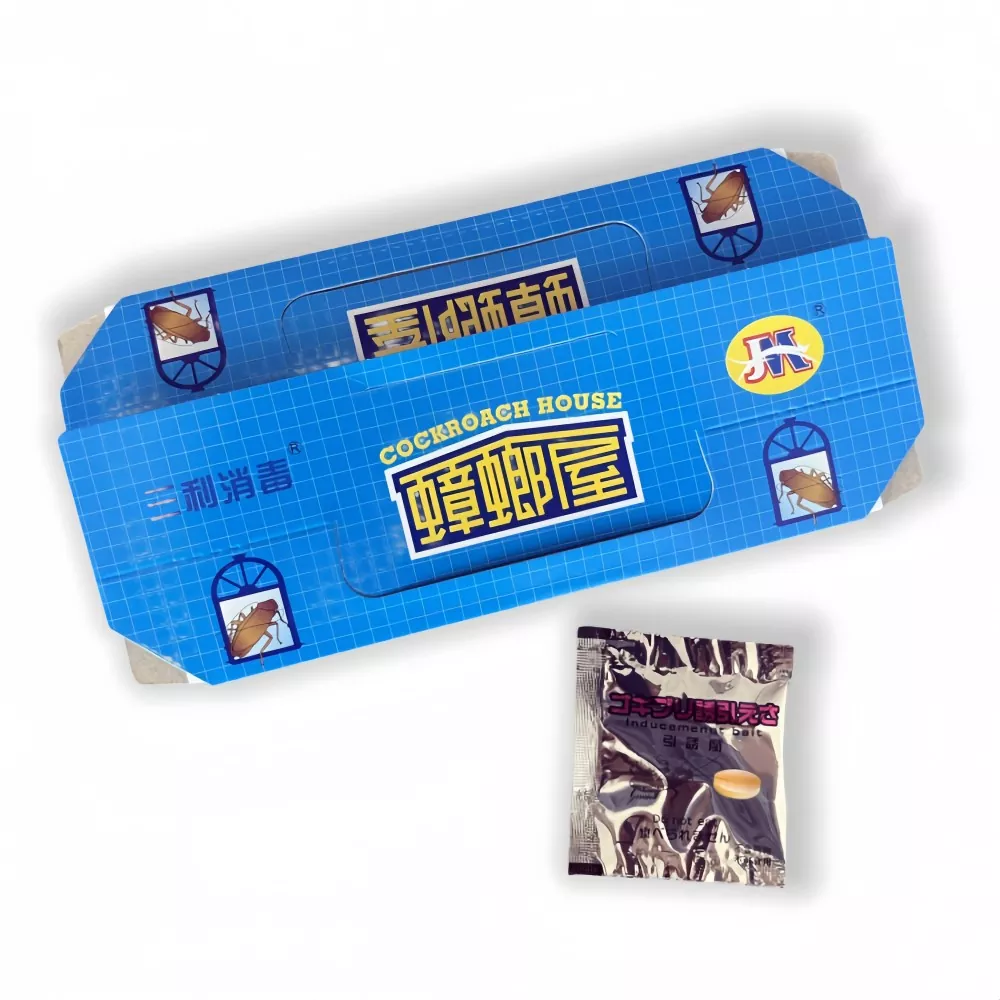
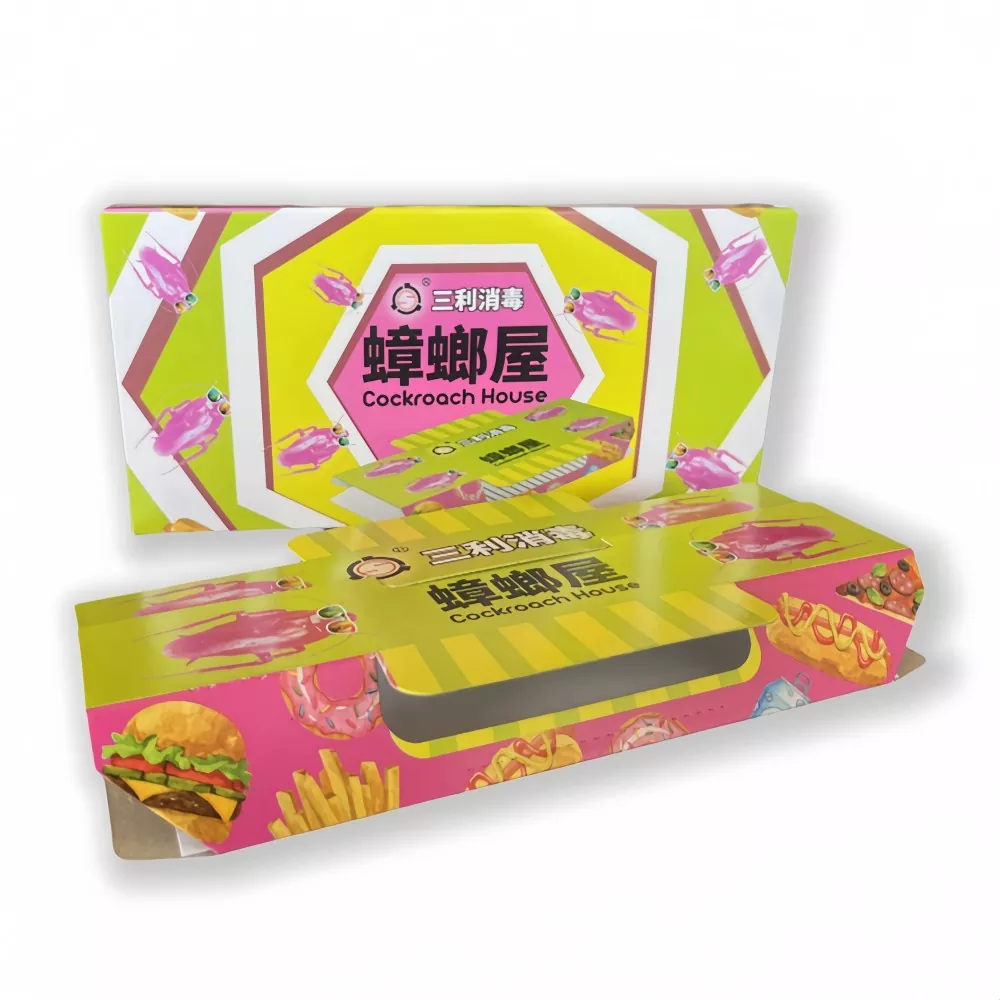
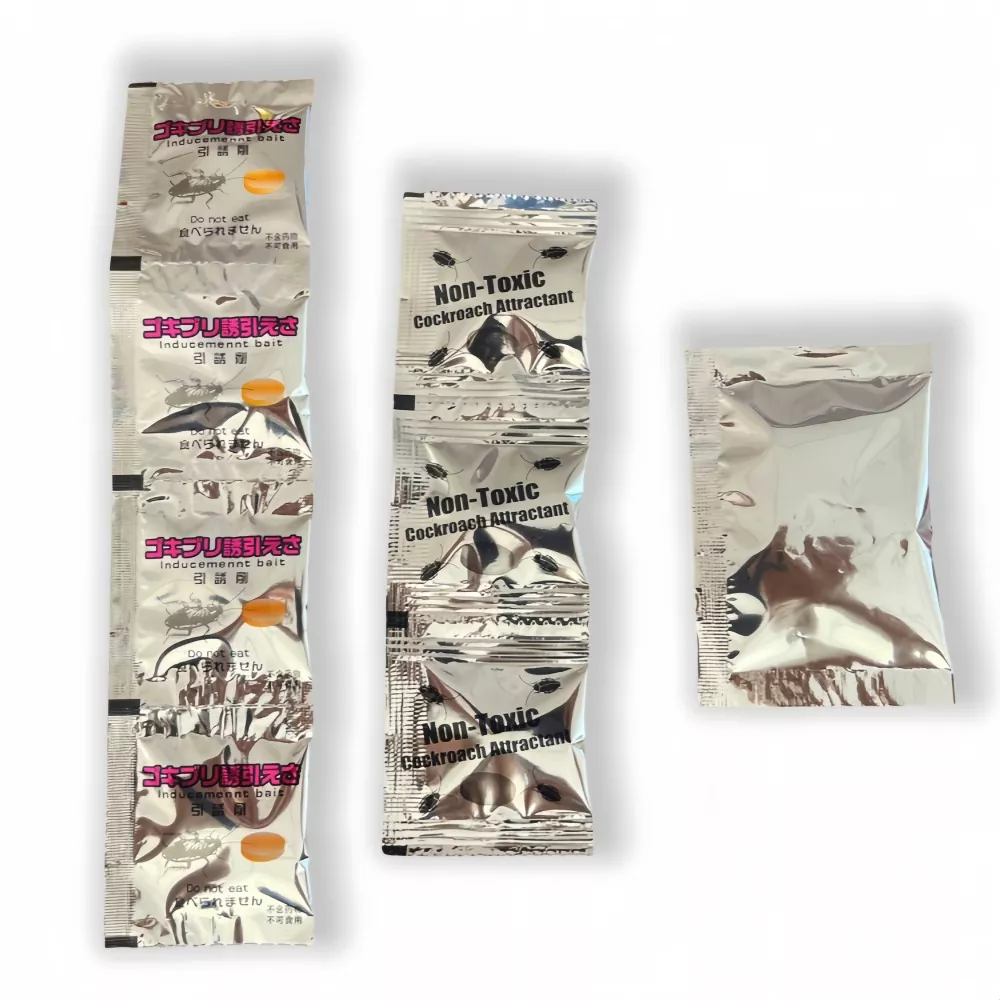
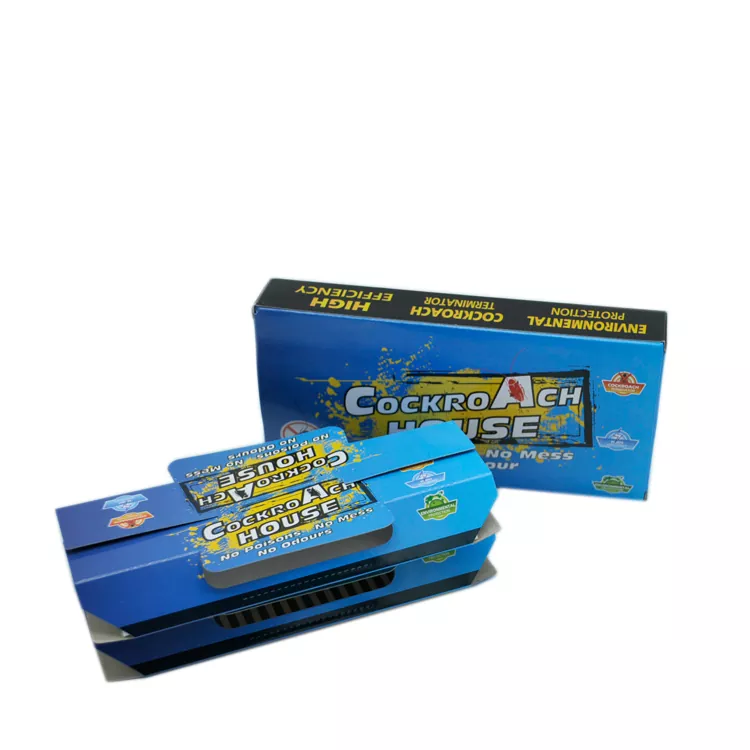
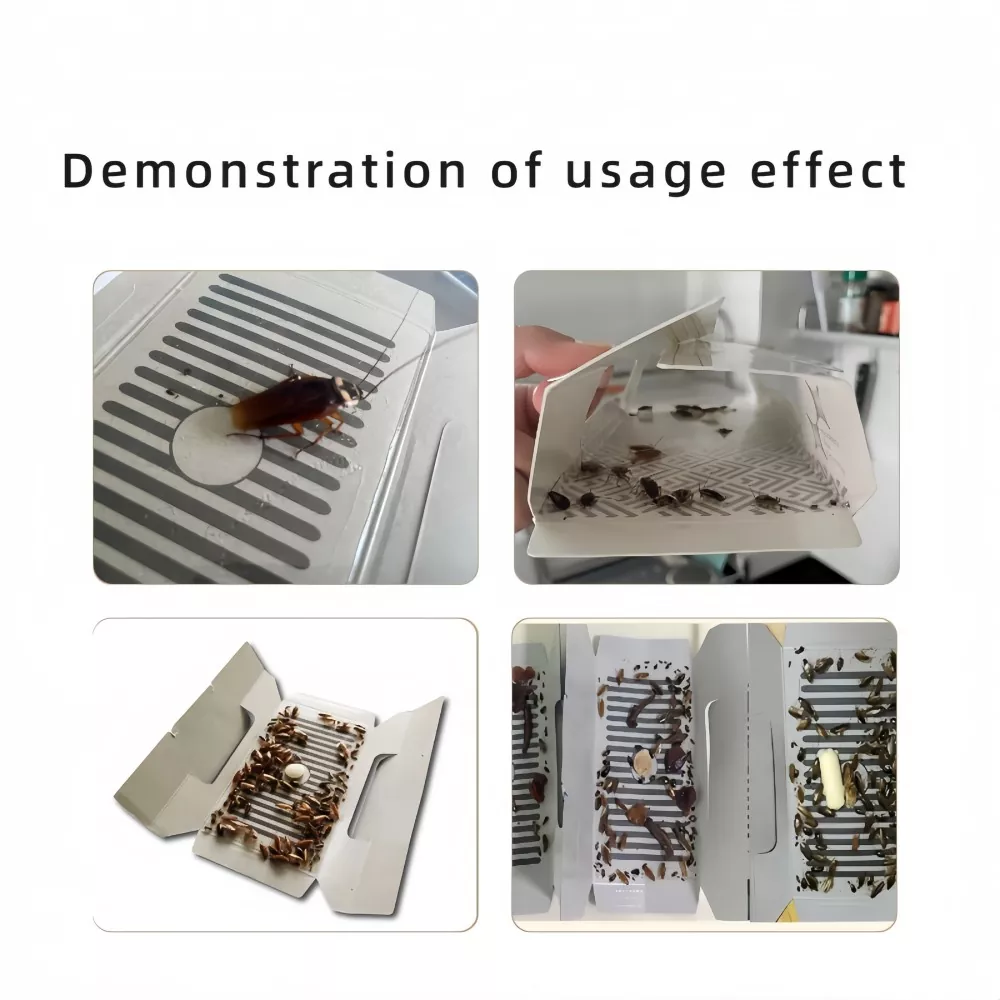
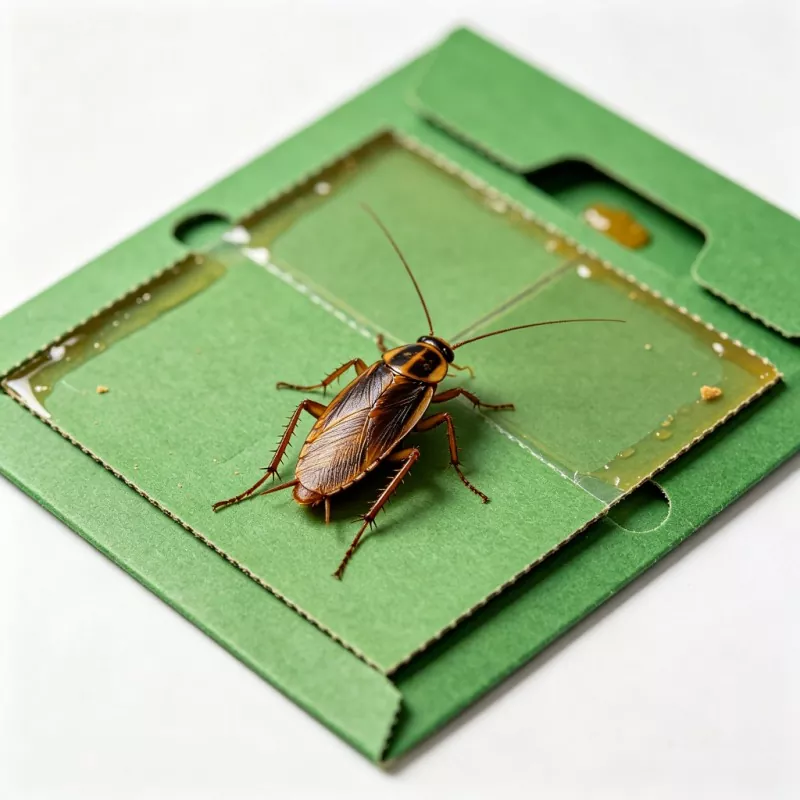
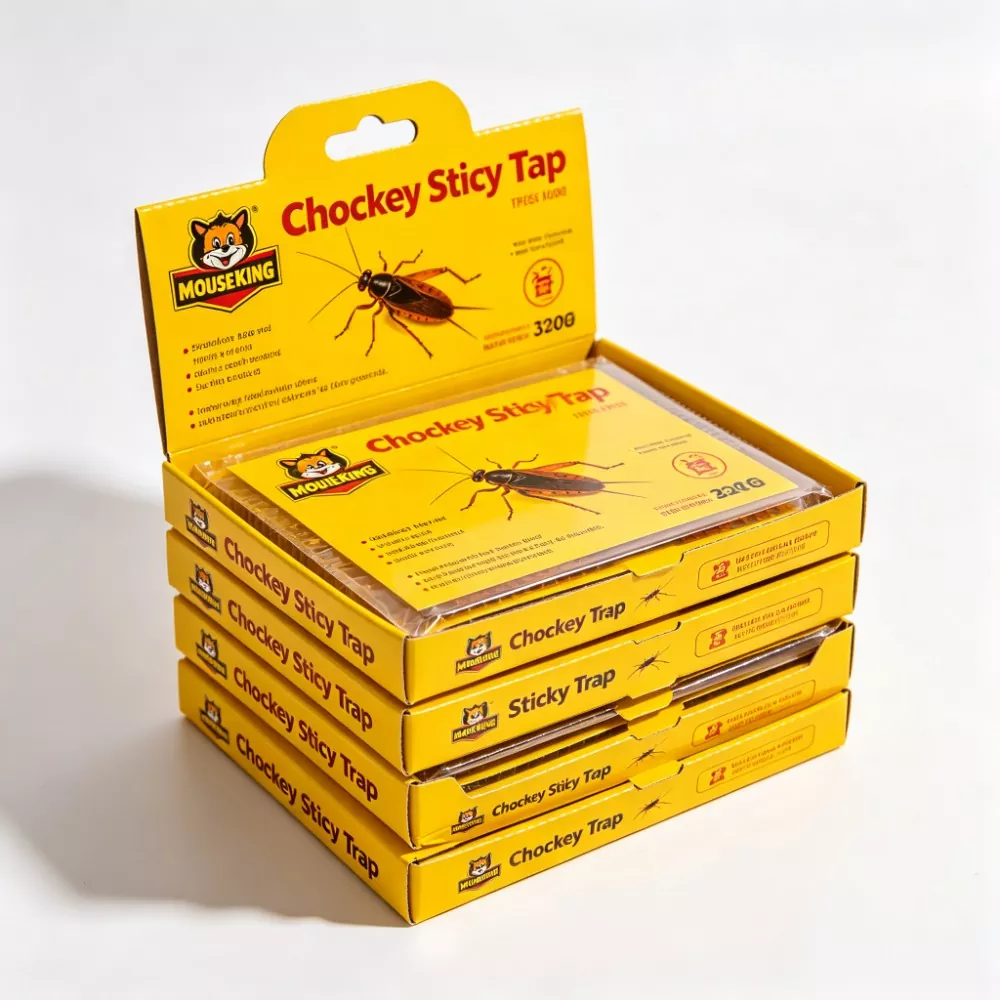
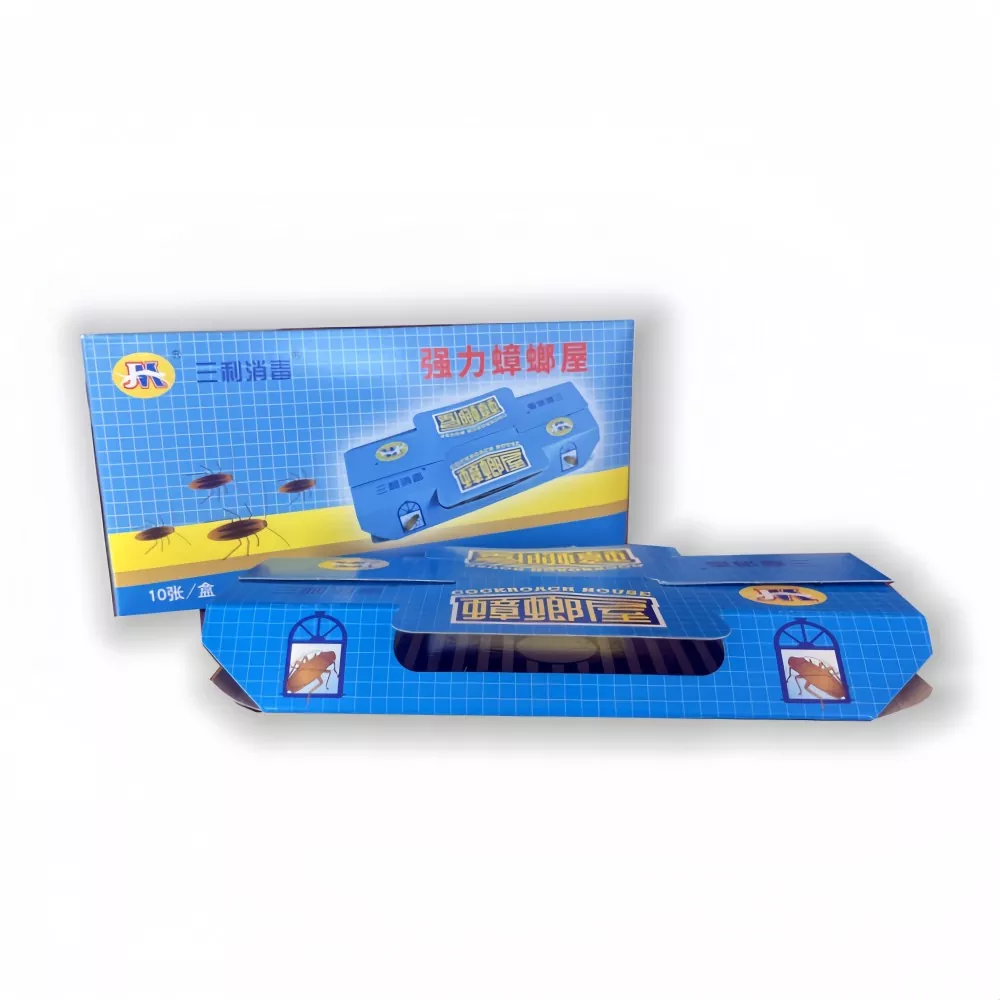
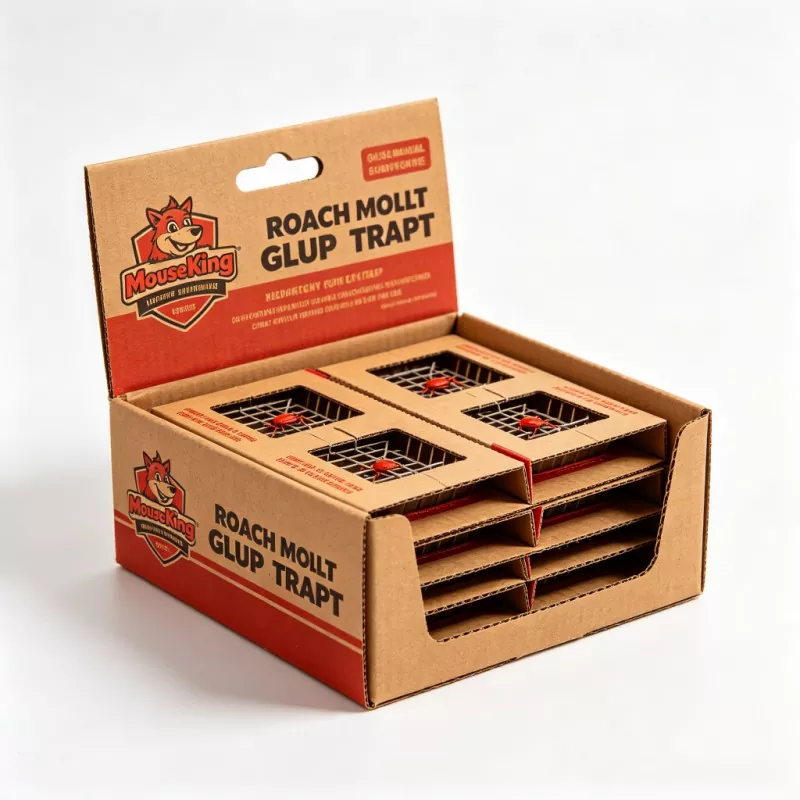
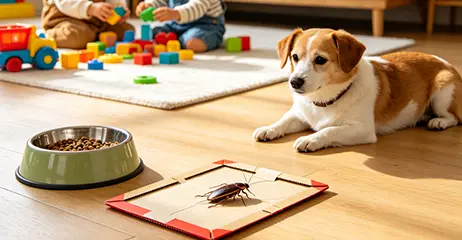
GOLDEN-CAT Highly Effective Cockroach Glue Trap with Bait is a powerful crawling insect control solution designed for reliable cockroach capture in residential, commercial and industrial environments. Featuring a house-shaped tent design with built-in food-based bait attractant and ultra-strong adhesive, this trap effectively lures and captures cockroaches, silverfish, spiders and other crawling pests without pesticides or chemicals. The enclosed design protects the adhesive surface from dust and debris, maintaining effectiveness longer while keeping trapped pests out of sight.
Rating: 5.0
(Rating Count: 1)

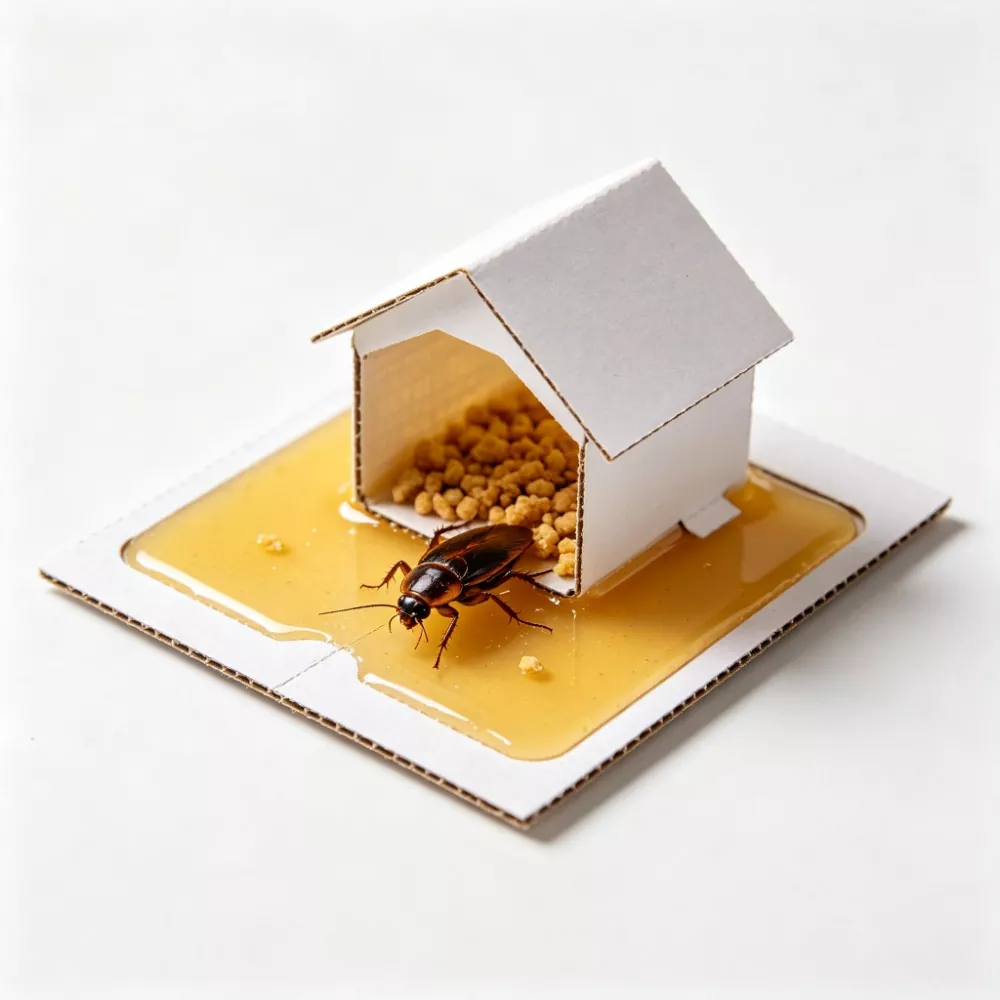
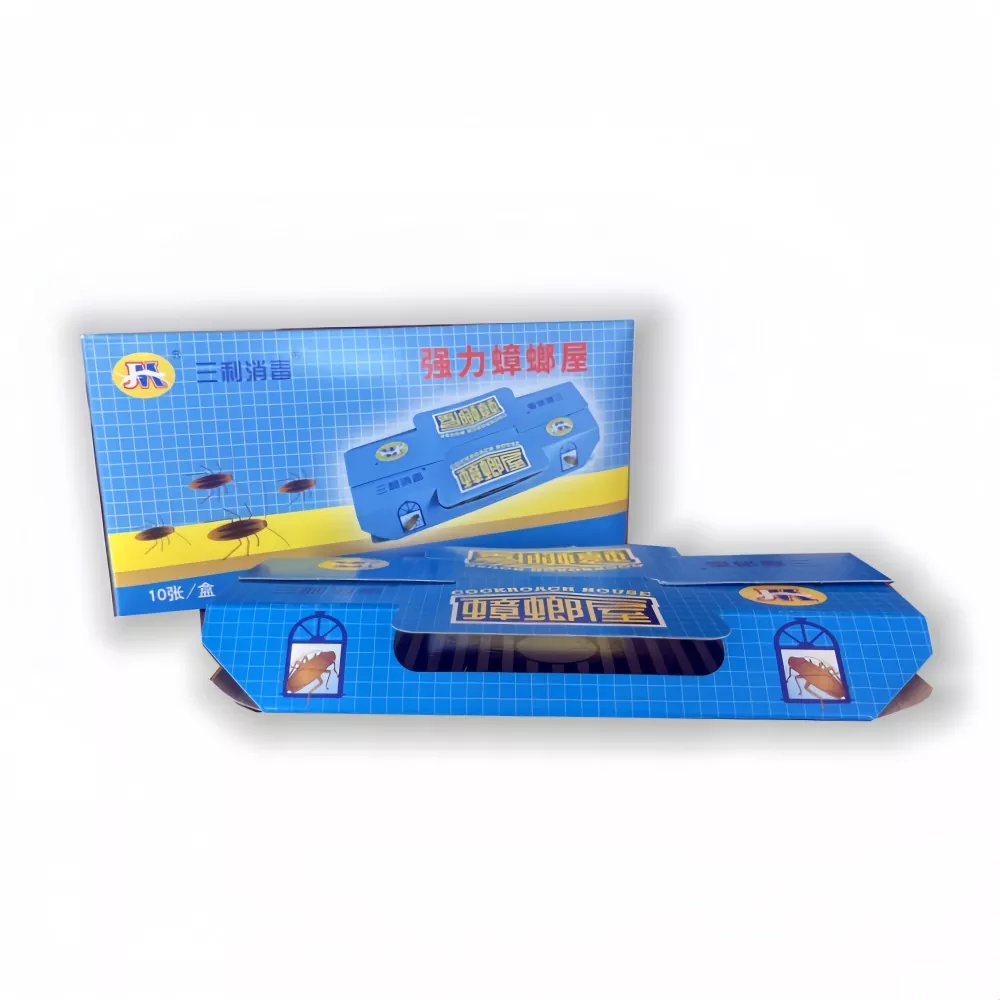
Cockroaches move along edges and enter dark gaps, and this folded card house is built around that behavior rather than around a flat glue surface. The assembled unit measures 18 × 10 × 6 cm, with a food-based bait inside and a sticky floor. The Cockroach Glue Trap with Bait is supplied by Dalian Golden-Cat Rodenticide Co., Ltd. to PCOs, facility suppliers, hospitality distributors and retail buyers. Bait formulation, board color, pack count and box print can be specified for OEM orders. Samples and a bait composition statement are available on request.

GOLDEN-CAT cockroach glue trap with bait folded house design

House Trap Specification

Product Cockroach Glue Trap with Bait
Form Folded cardboard house, open at two ends
Board Premium cardboard
Adhesive Non-drying pressure-sensitive glue, no pesticide active ingredient
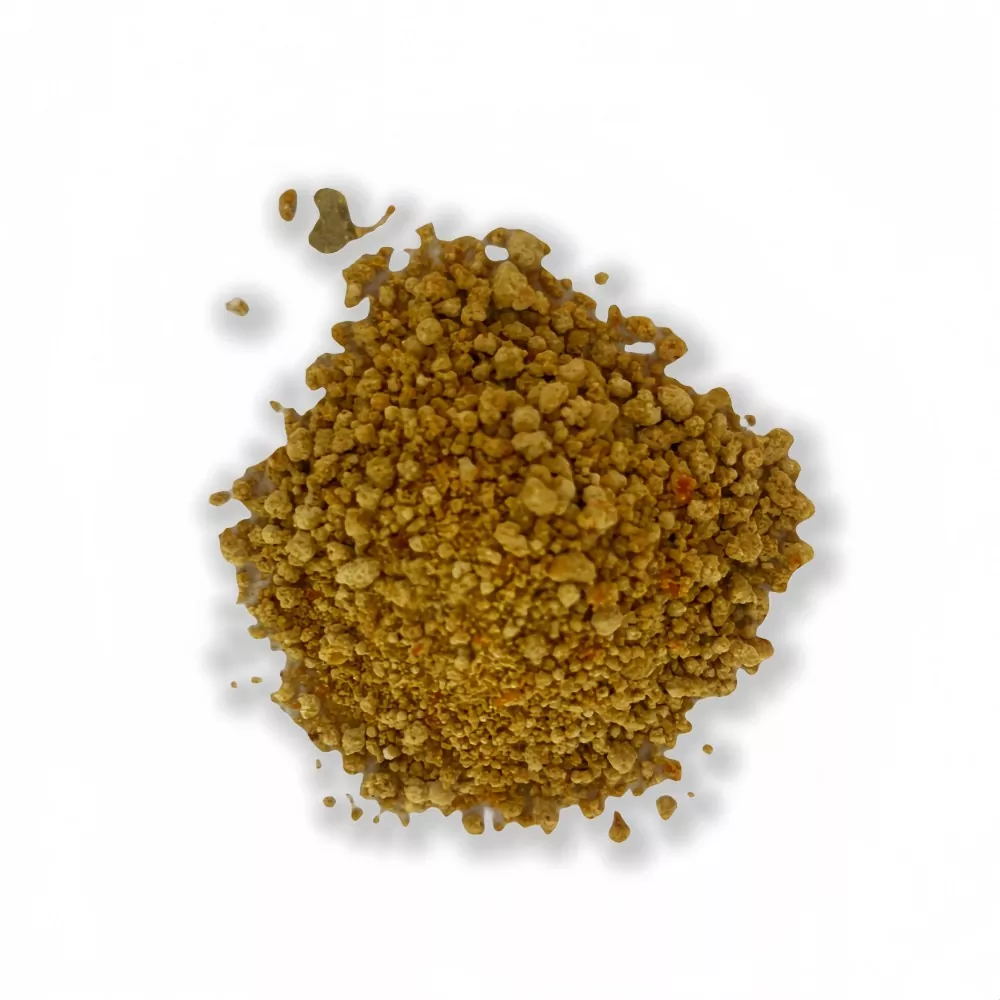
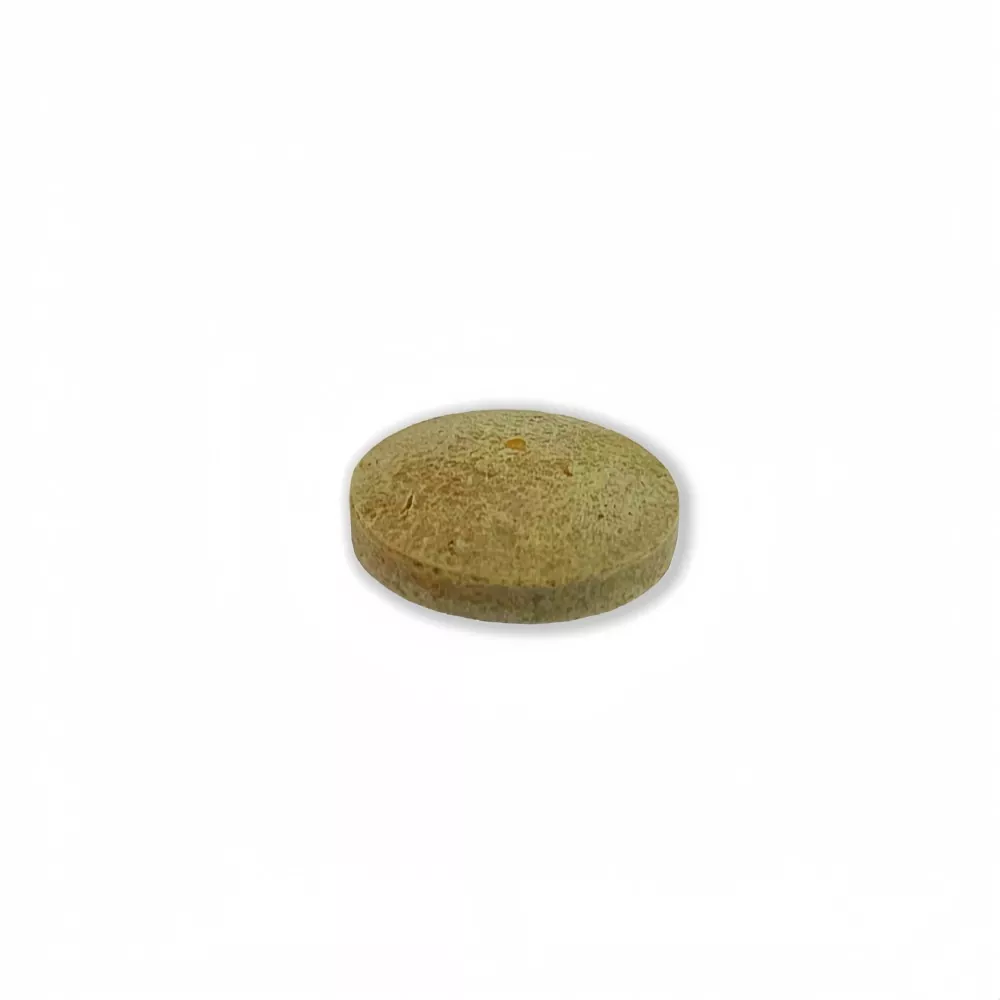
Bait Food-based attractant, no pesticide active ingredient
Assembled size 18 × 10 × 6 cm
Trap color Brown / White
Target pests Cockroaches, silverfish, spiders, crickets and other crawling insects
Retail pack 2 / 4 / 10 pcs per box
Export carton 20 inner boxes, 200 pcs, approx. 45 × 35 × 25 cm
Field life Up to 12 weeks in clean, dry indoor positions; shorter in humid or greasy areas
Shelf life 24 months sealed, cool and dry
Documents Bait composition statement, adhesive composition statement, export paperwork

Why the Fold Matters

A flat glue board catches a cockroach that happens to cross it. The fold changes the conditions that decide whether a cockroach approaches at all.

It creates a dark interior. Cockroaches avoid open, lit surfaces. The card roof produces the kind of low, dark space a cockroach already moves through behind a cabinet or along a wall base.

It keeps the glue clean. Dust, flour and cleaning spray settle on an open board. Inside the house, the glue surface stays clear for longer, which matters in a kitchen or a food store.

It defines an entry path. The two open ends face opposite directions, so an insect moving along a wall can enter from either side without turning around. A flat board has no entry direction.

The house is not a tamper-resistant station. It has no lock, no key and no structural resistance. Where local rules require a station, the trap goes inside a proper station rather than being used as a stand-alone house.

Bait Attracts, Glue Captures

The bait and the glue are separate parts of the trap, and they work at different distances.

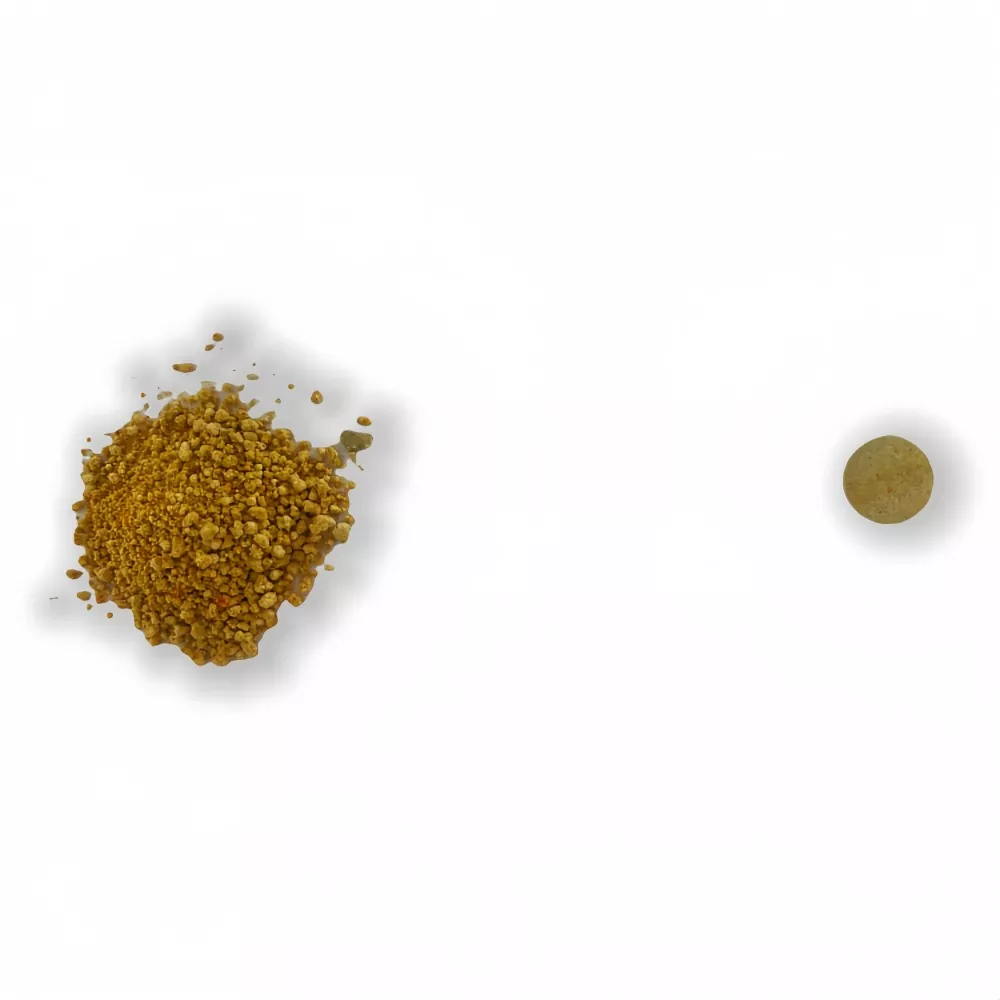
The bait is a food-based material placed inside the house. It draws cockroaches from a short range, usually under a metre. It does not pull insects across a room, and it does not remove the need for sanitation. A trap placed far from the harbourage will not compensate for the distance with bait alone.

The glue is the capture layer. It is non-drying and stays tacky across the service period. Capture is mechanical. Nothing in the trap kills chemically.

The bait weakens once the box is opened. A trap that has been in place for months is effectively an unbaited trap by the end of its service life, even if the glue still feels tacky. The replacement date matters more than the label figure suggests for this reason.

Species and Harbourage

The trap catches common cockroach species, but where each species lives determines where the trap should go.

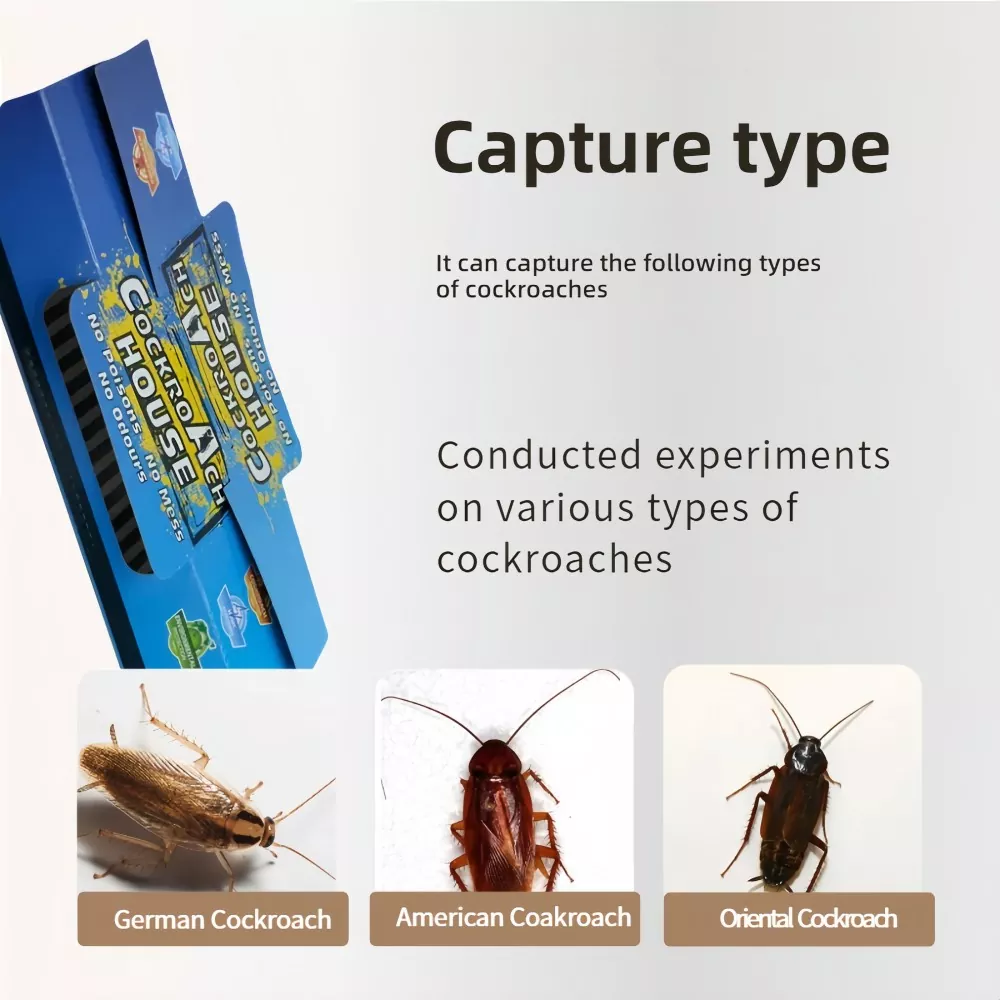
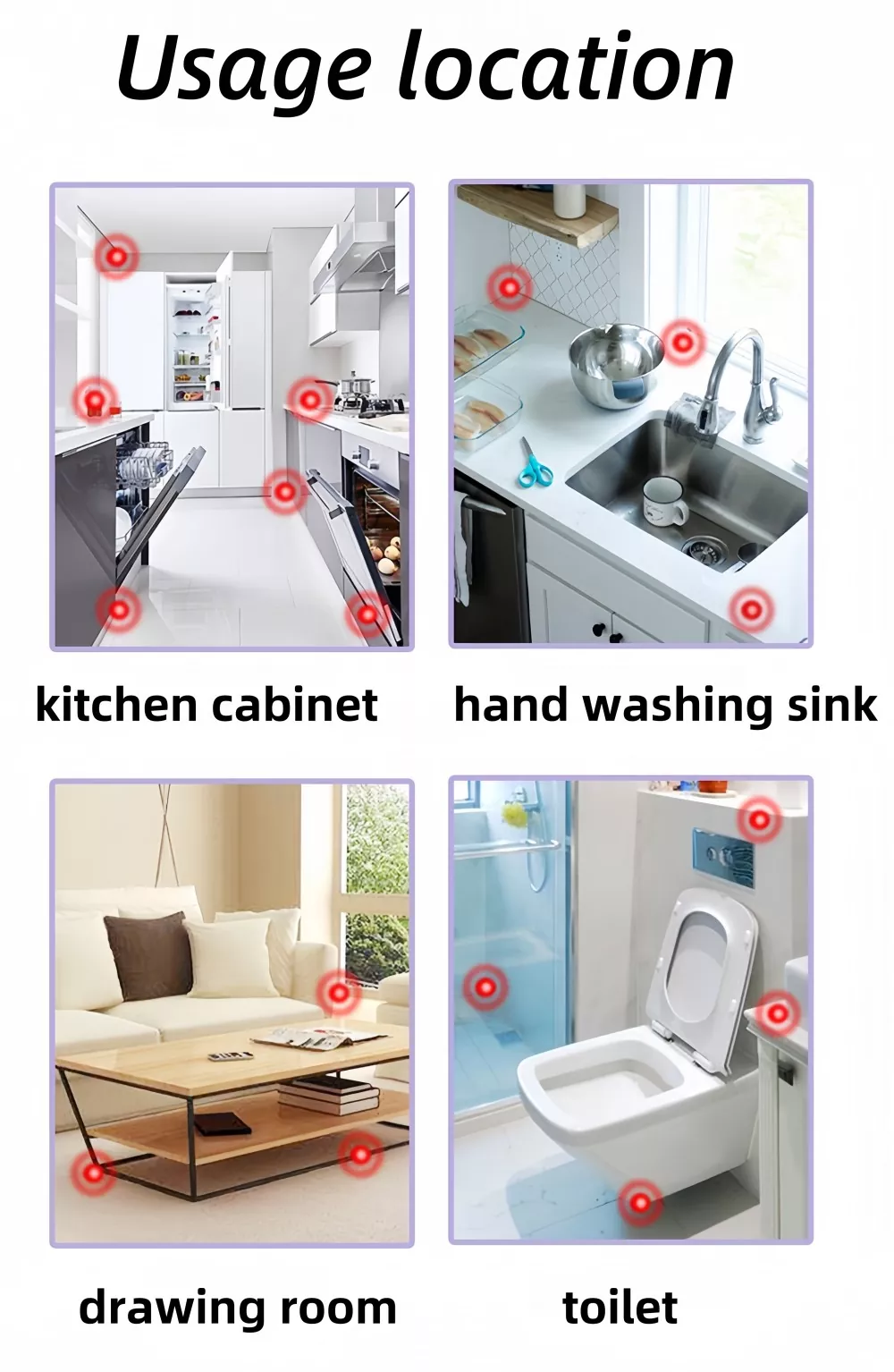
· German cockroach. Breeds indoors in warm, humid microhabitats: behind a fridge, under a sink, inside a cabinet hinge, behind a dishwasher. It stays close to the breeding site. Traps within a metre of these positions outperform traps across the room.

· American cockroach. Larger, often enters from drains, sewers and basements. It follows pipes and wall bases. Traps near drain entries, in basements and along pipe runs catch more of this species.

· Oriental cockroach. Prefers cool, damp, dark areas: cellars, crawl spaces, drains, rubbish stores. Traps belong in damp lower areas, not in warm kitchens.

A trap in the middle of a clean kitchen floor catches few German cockroaches, because the breeding site is behind an appliance. The same trap placed behind that appliance catches more, even though it is less visible.

Kitchen Conditions and Cardboard

Kitchens and bathrooms are the usual placement areas, and both shorten the life of a card trap.

· Humidity. Card absorbs moisture and softens. In a bathroom or a commercial dishwash area, the house may deform before the glue fails. A plastic-bodied trap is the better choice in a persistently wet position.

· Grease. Cooking grease settles on the card and on the glue. A greasy glue surface loses tack quickly. Traps near a fryer or a grill need more frequent replacement than traps in a dry store room.

· Heat. Near an oven, a dishwasher or a hot water pipe, the glue softens and the card may warp. Cockroaches may be active beside a heat source, but a trap placed directly against it will not last.

In these positions, check the trap at every service visit rather than relying on the 12-week figure. Replace when the card is soft, the surface is greasy or the glue no longer feels tacky through a gloved finger.

Monitoring and Control Are Different Uses

The same trap serves two purposes, and buyers often treat them as one.

As a monitoring tool, a fixed number of traps at fixed positions, checked on a fixed day, gives a count that can be compared week to week. The count shows whether a population is rising or falling and where it is concentrated. For monitoring, trap positions should not move between visits.

As a control tool, a higher density of traps near the harbourage reduces the adult population. It does not remove eggs, harbourage or food. Control requires sanitation, exclusion and, where permitted, a baiting or insecticide program alongside the traps.

A trap that is moved every week gives a count that cannot be compared. A trap used as the only measure in a heavily infested kitchen will fill and stop catching while the population continues.

Food Areas and Label Wording

The Cockroach Glue Trap with Bait contains no pesticide active ingredient. The bait is food-based and capture is mechanical. That reduces chemical risk. It does not mean the trap can be placed anywhere.

· Not on a food-contact surface. Do not place the trap on a cutting board, a prep counter or a plate. Place it on the floor, under a cabinet or inside a station.

· Not above open food. A trap on a shelf above an open bin or a prep area can fall. Keep it at floor level or inside a closed cabinet.

· Remove before cleaning. A trap left in place during a wash-down absorbs water and cleaning chemical. Remove it, clean the area, and place a fresh trap once the surface is dry.

· Dispose of it as general waste. Fold the house closed or seal it in a bag. Do not put a used trap in a paper recycling stream, because the glue and the captured insects are not recyclable.

· Check local rules. Some markets restrict glue trap use on animal welfare grounds. The buyer confirms that the product is permitted in the destination market.

Placement Along Edges

The usual figure is one trap every 2 to 3 metres along a wall, with higher density in kitchens, bathrooms and areas of visible activity. That figure assumes a maintenance placement in a low to moderate infestation.

For an active infestation, density near the harbourage should be higher and the traps checked more often. In a large commercial kitchen, a common approach is a trap along the wall base every 2 metres, plus additional traps behind appliances and under sinks. The number depends on the layout, not on floor area alone.

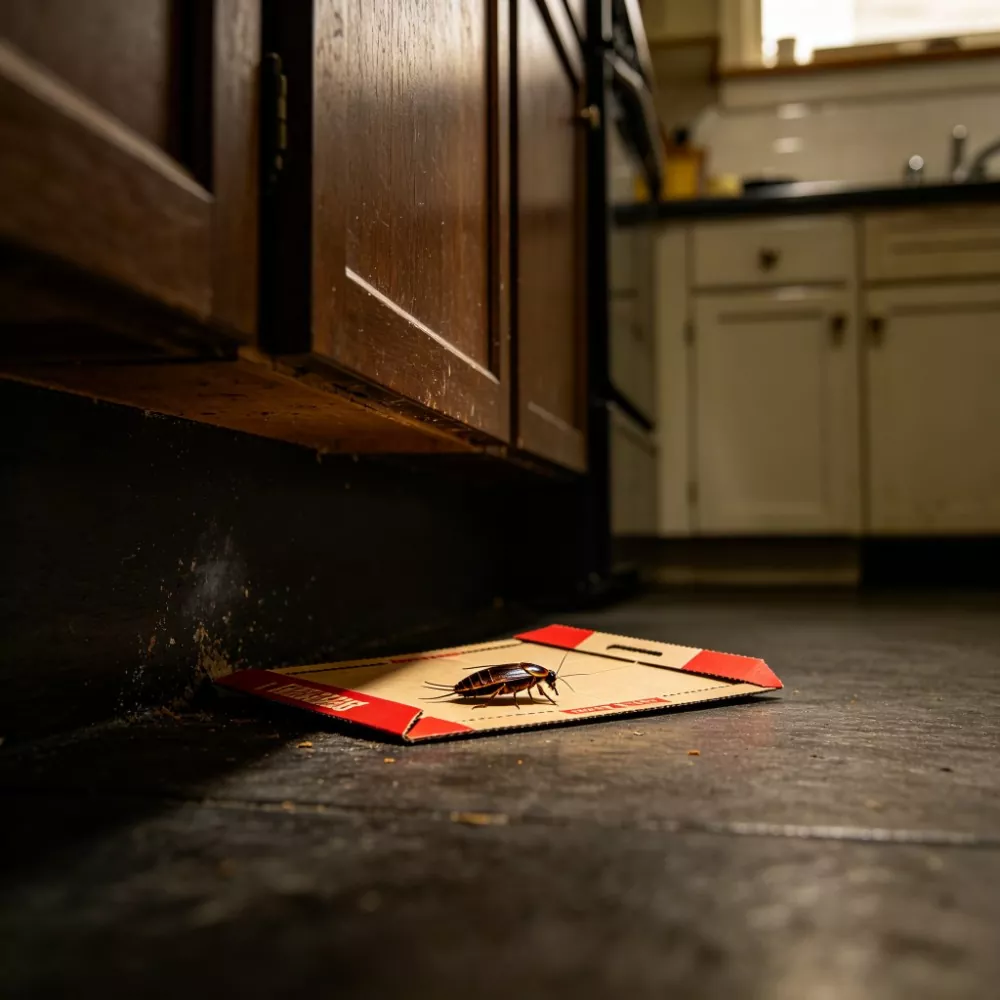
Orient the open ends along the wall edge, so a cockroach moving along the base can enter from either direction. A house placed with its openings facing into the room catches less, because the cockroach is moving along the wall, not across the open floor.

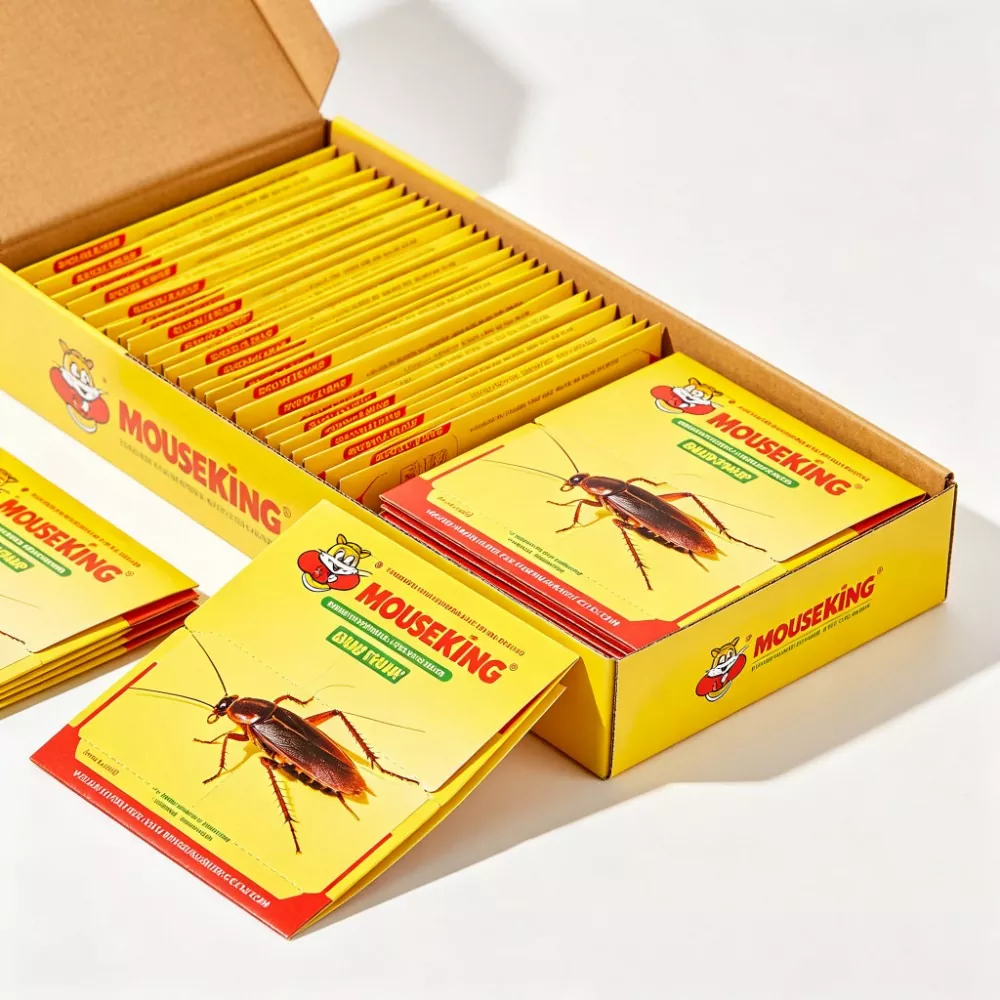
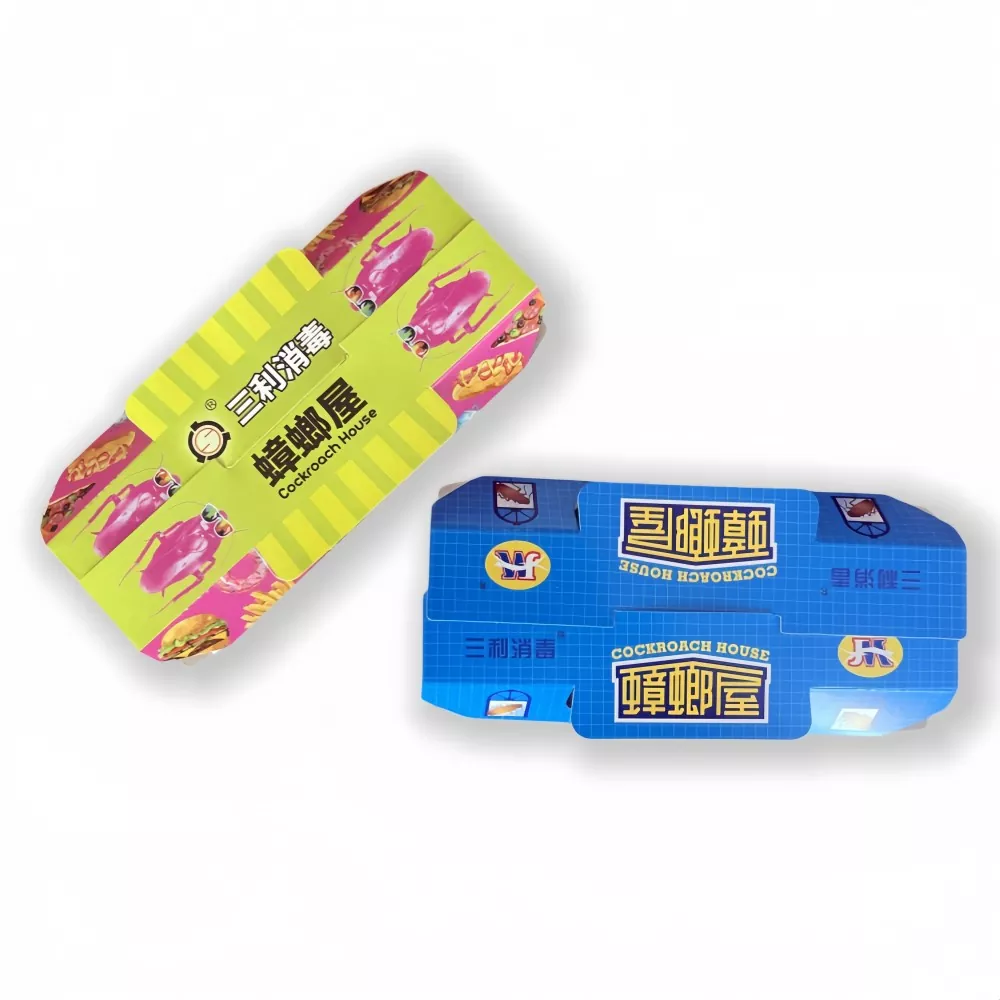
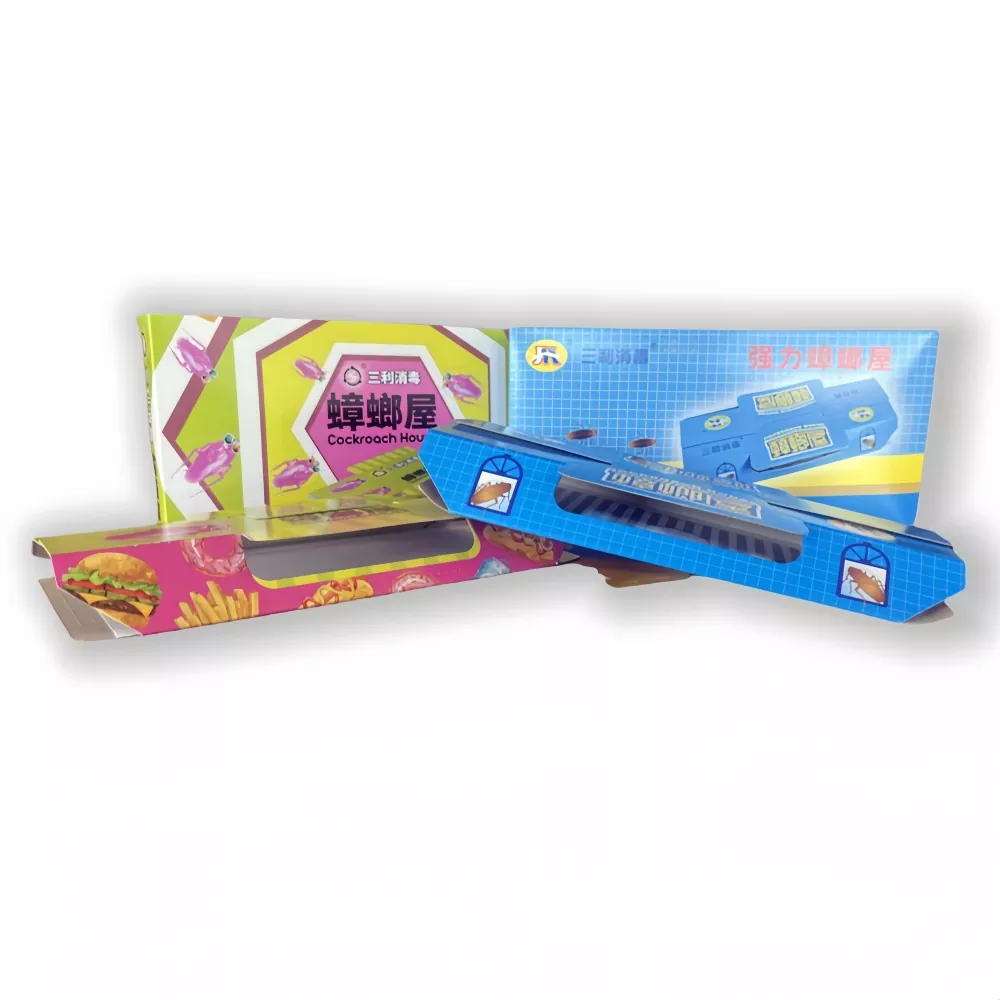
Cockroach glue trap bulk packagingCockroach glue trap retail boxCockroach glue trap folded house view

Box and Carton

Three points matter at the retail and distribution stage.

Pack count. Two, four and ten-piece boxes suit different shelf positions and price points. Confirm the count on the purchase order, because the carton configuration depends on it.

Printed instructions. The box carries folding and placement instructions. In a household channel, these are the main source of safe-use information. Multi-language text can be printed for export markets.

Carton cube. The 200-piece carton at approximately 45 × 35 × 25 cm suits mixed pallet loads and marketplace inbound requirements. Distributors shipping to e-commerce fulfillment centers should confirm the carton dimensions against the center’s requirements before ordering.

Ordering Details

Production site Dalian Golden-Cat Rodenticide Co., Ltd., Dalian, China
OEM options Bait formulation, board color, pack count, box print and brand
Order threshold 2,000 pcs standard; trial orders negotiable
Production lead time 7 to 10 days for stock; 20 to 25 days for custom OEM
Shipment ports Shanghai / Ningbo
Trade terms FOB / CIF / DDP
Payment terms T/T, L/C
Carton configuration 20 inner boxes, 200 pcs, approx. 45 × 35 × 25 cm

Buyer Questions

Is the bait harmful to a child or a pet that eats it?
The bait is a food-based attractant with no pesticide active ingredient. It is not a toxic bait and does not contain an insecticide. It is still not food. Keep the trap out of reach, and dispose of the packaging and the used trap promptly.

Why does the trap stop catching before the stated field life?
The bait weakens after opening, the card softens in humid positions, and grease or dust settles on the glue. In a commercial kitchen or a bathroom, 4 to 6 weeks is a realistic replacement cycle. Check the card and the glue surface before concluding the product has failed.

Does the trap kill cockroaches?
No. It catches them. The glue is mechanical, not chemical. A captured cockroach remains on the board until the trap is removed and disposed of.

Can traps alone clear an infested kitchen?
No. Traps catch adults and some nymphs. They do not remove eggs, harbourage or food. An active infestation needs sanitation, exclusion and a baiting or insecticide program alongside the traps.

Where exactly should the house sit?
Along the wall base, with the open ends running parallel to the wall. Cockroaches move along edges, not across open floor. A house facing into the room catches less than one facing along the edge.

Is the folded house a tamper-resistant station?
No. It has no lock and no structural resistance. Where local rules require a station, the trap goes inside a proper station rather than being used on its own.

Why is RoHS or a food-safe certificate not listed for this product?
RoHS applies to electrical and electronic equipment, and a food-contact certificate applies to items that touch food. This trap is card, adhesive and bait, and it is not intended to contact food. The relevant documents are the bait composition statement and the adhesive composition statement.

Can the trap be used outdoors?
In a sheltered position such as a covered bin area or a garage, yes, with a shorter field life. The card base softens in damp conditions. For persistently wet or outdoor positions, a plastic-bodied trap is the better format.

Send Inquiry
Contact Info
Send your inquiry to Golden Cat for factory price, OEM customization, samples and bulk orders of glue traps, rodenticides and insect bait products.
Rating:
5.0
X
We use cookies to offer you a better browsing experience, analyze site traffic and personalize content. By using this site, you agree to our use of cookies. Privacy Policy
RejectAccept