Products
Indoor Mouse Glue Trap
  • Indoor Mouse Glue TrapIndoor Mouse Glue Trap
  • Indoor Mouse Glue TrapIndoor Mouse Glue Trap
  • Indoor Mouse Glue TrapIndoor Mouse Glue Trap
  • Indoor Mouse Glue TrapIndoor Mouse Glue Trap
  • Indoor Mouse Glue TrapIndoor Mouse Glue Trap
  • Indoor Mouse Glue TrapIndoor Mouse Glue Trap
  • Indoor Mouse Glue TrapIndoor Mouse Glue Trap
  • Indoor Mouse Glue TrapIndoor Mouse Glue Trap
  • Indoor Mouse Glue TrapIndoor Mouse Glue Trap
  • Indoor Mouse Glue TrapIndoor Mouse Glue Trap

Indoor Mouse Glue Trap

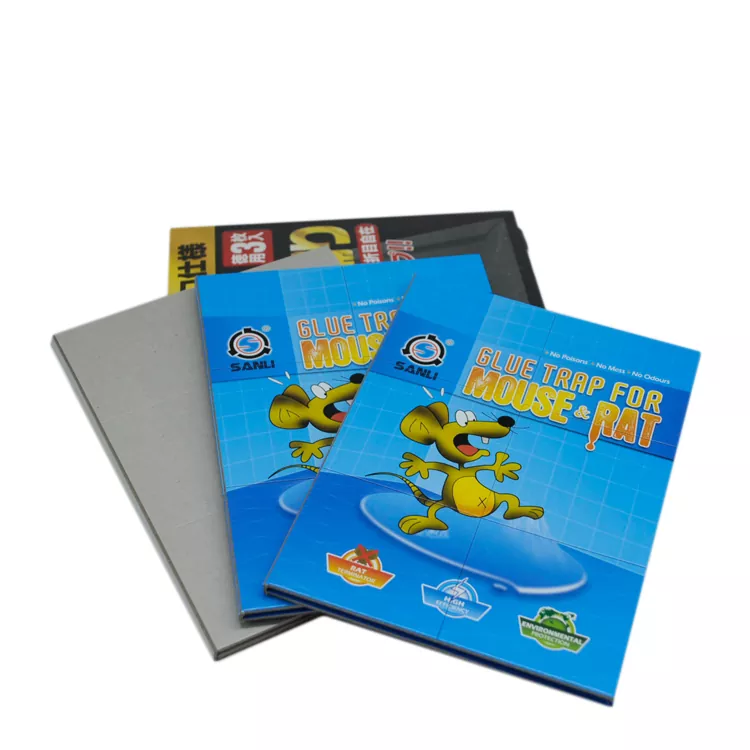
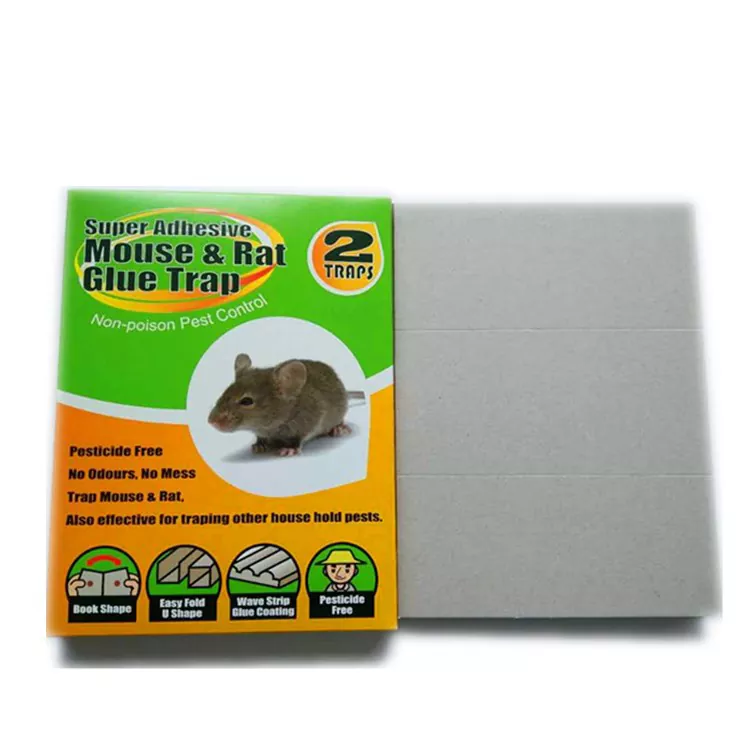
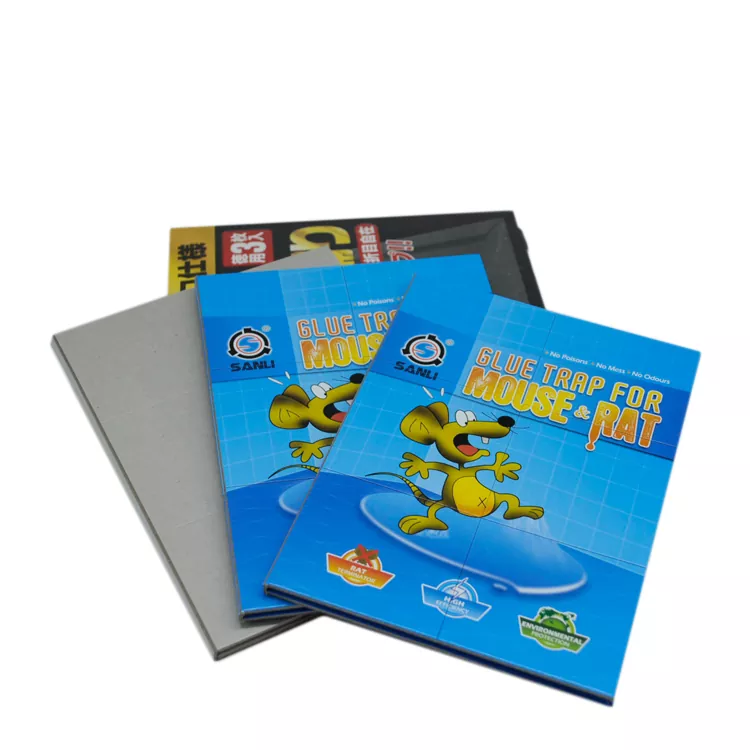
Our Environmental Indoor Mouse Glue Trap is a safe, non-toxic, and highly effective rodent trapping solution specially designed for indoor environments. Engineered for residential, commercial, and hospitality indoor use, this mouse glue trap abandons harsh chemical ingredients and dangerous traditional trapping structures, adopting eco-friendly adhesive and upgraded plate body design. It provides clean, humane, and efficient mouse control without causing pollution, peculiar smell, or safety hazards to indoor spaces, perfectly solving the hidden danger of rodent infestation in family houses, offices, restaurants, warehouses, and shopping malls.
Rating: 5.0
(Rating Count: 1)

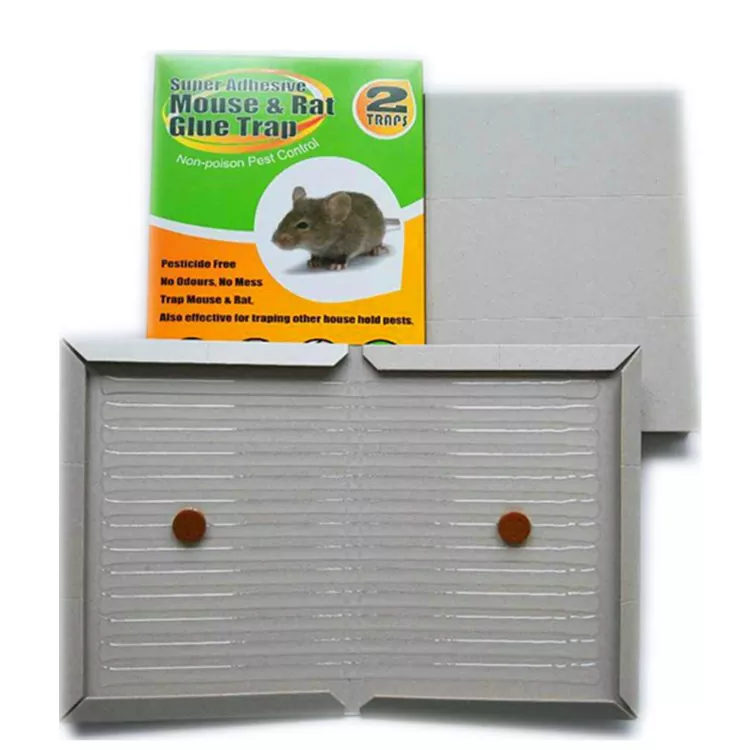
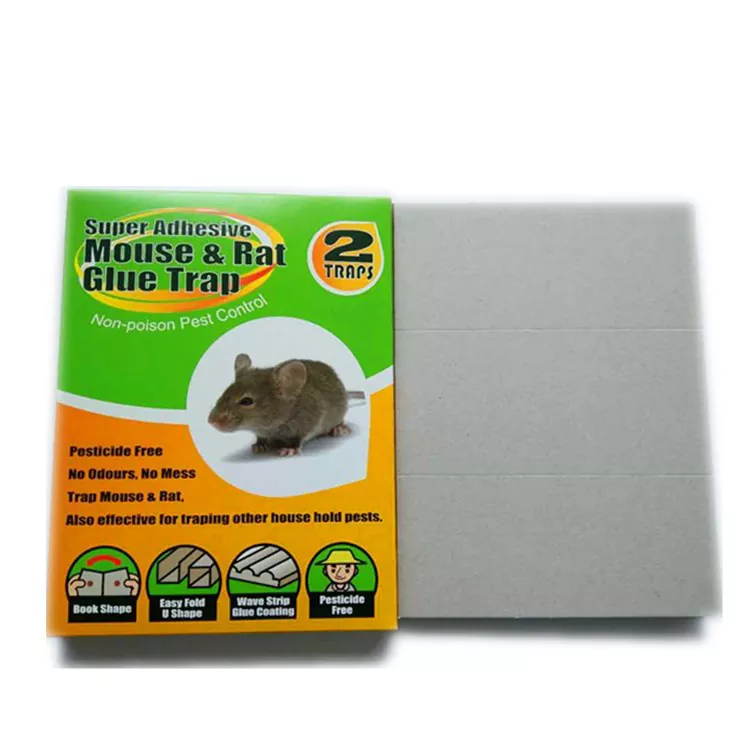
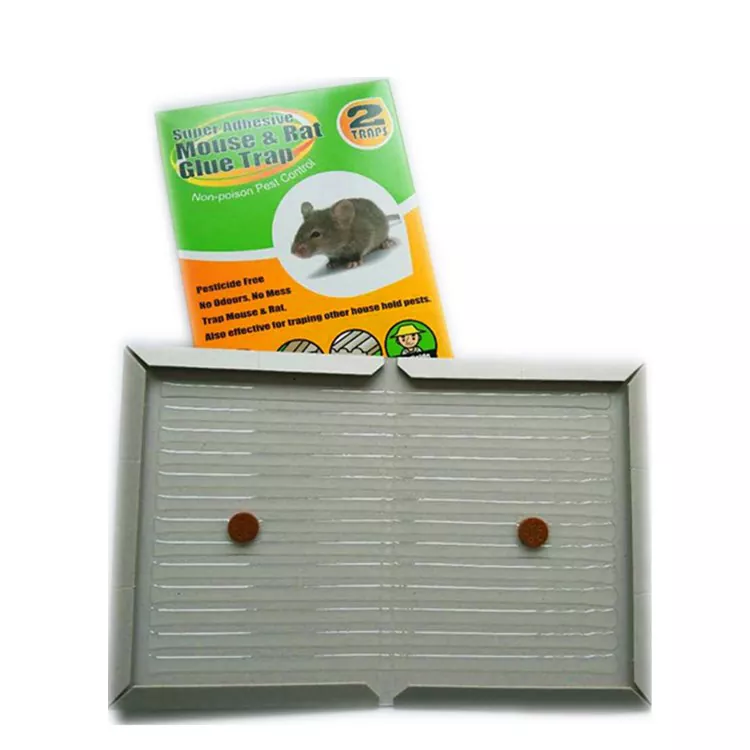
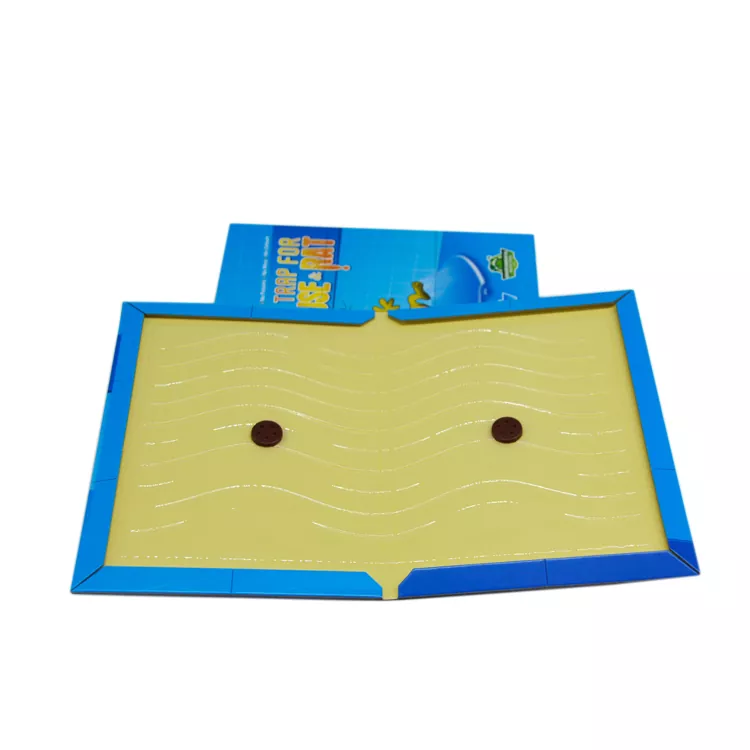
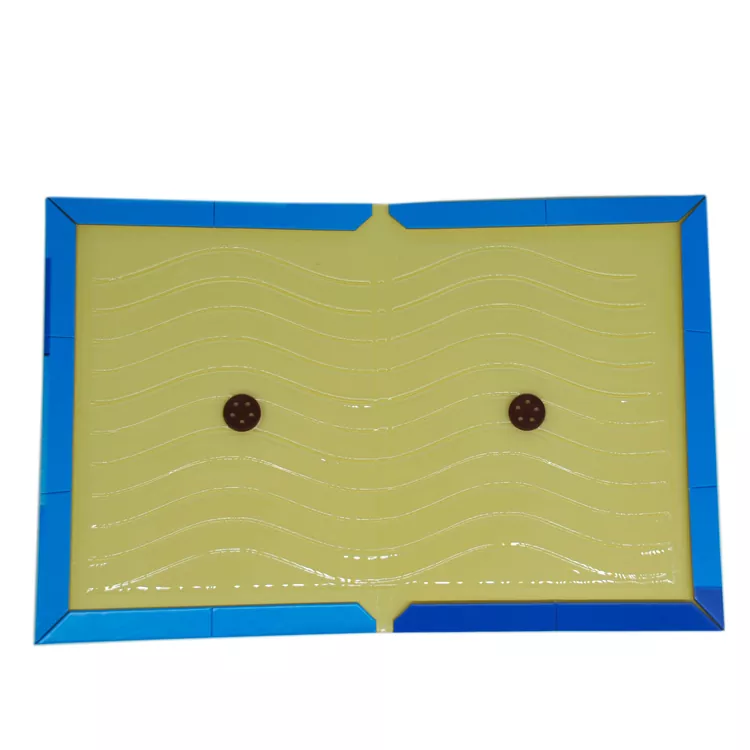
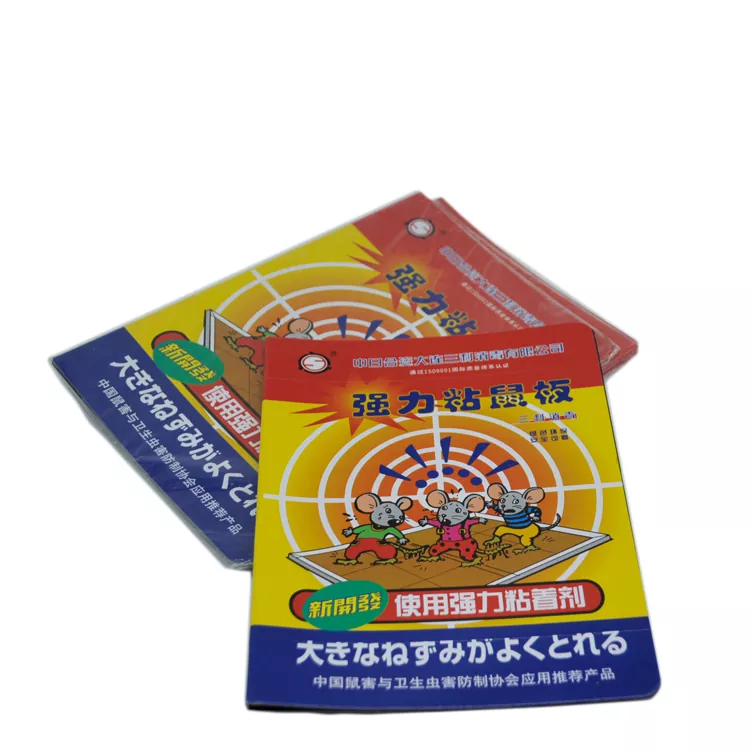
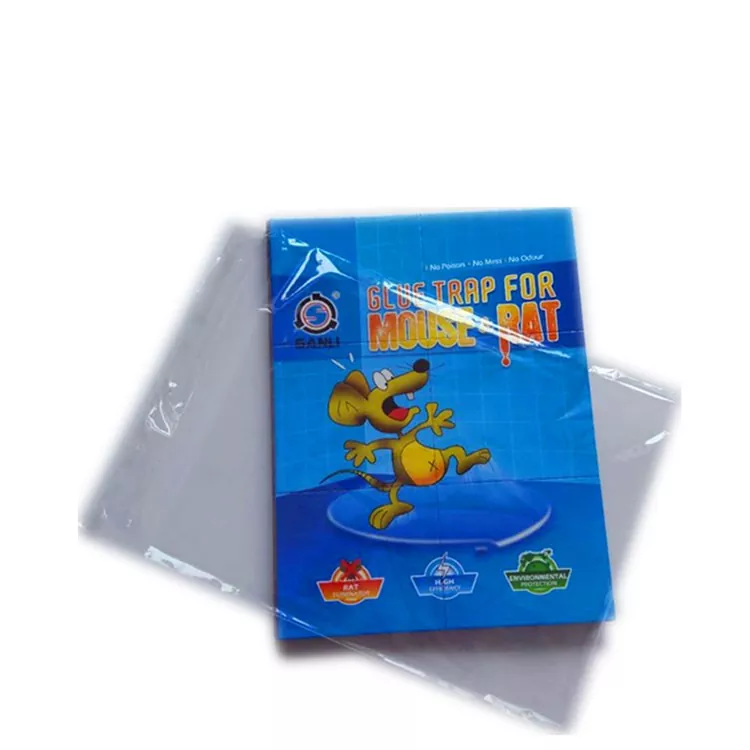
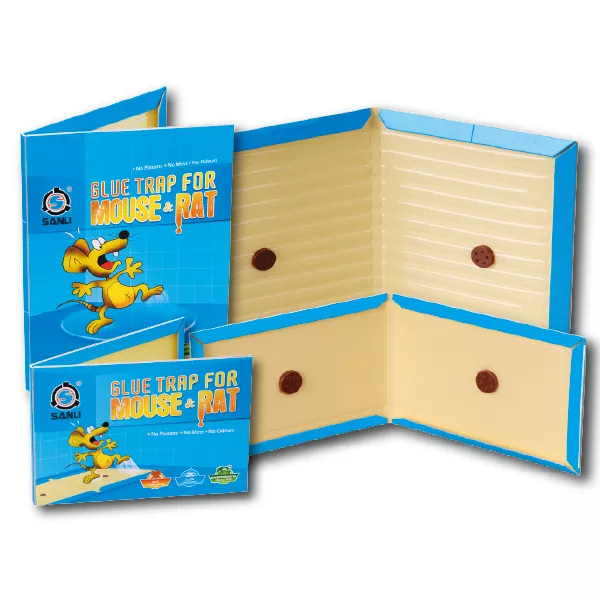
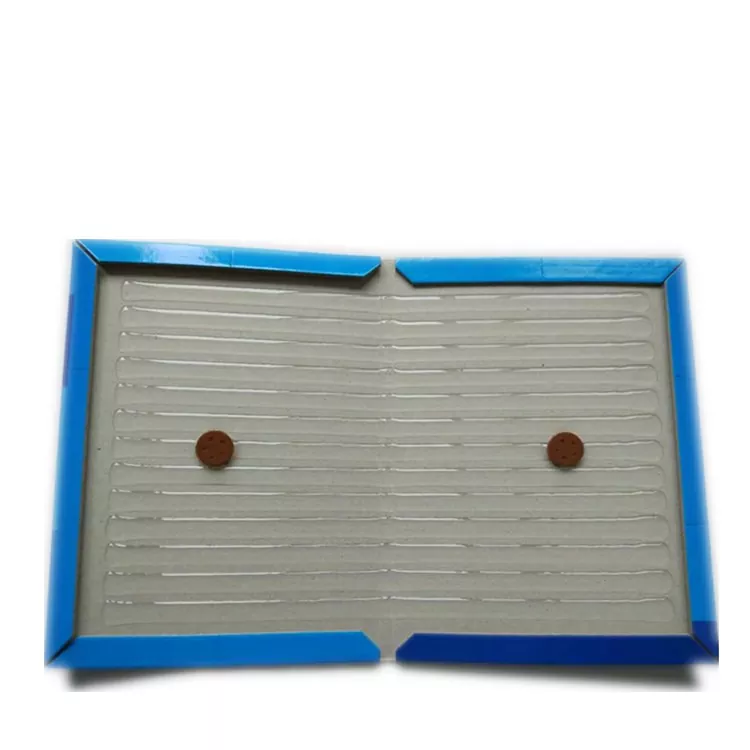
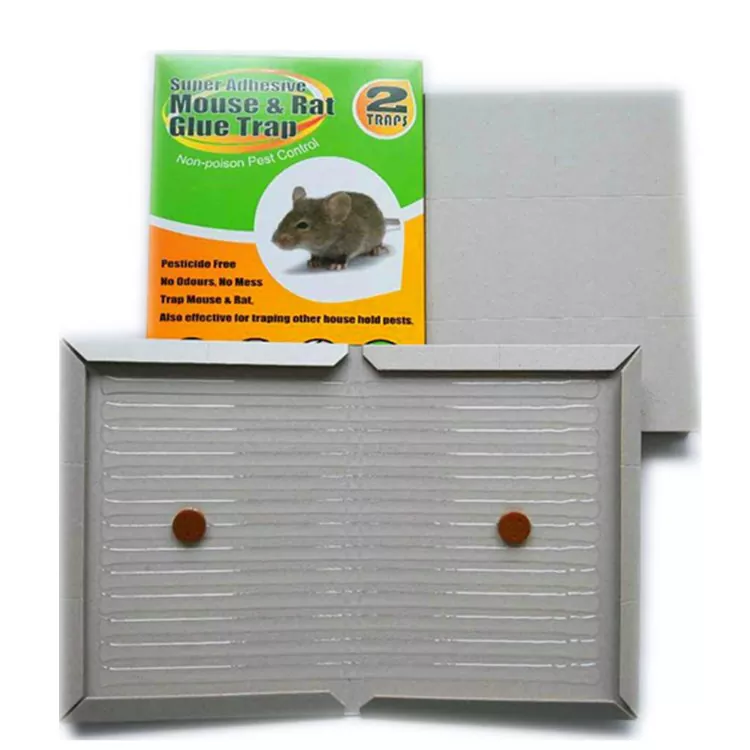
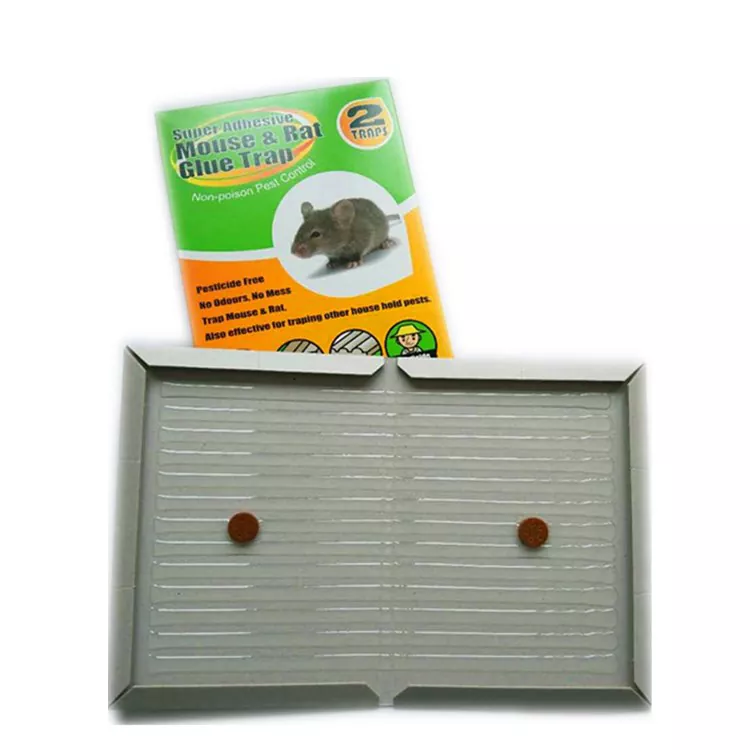
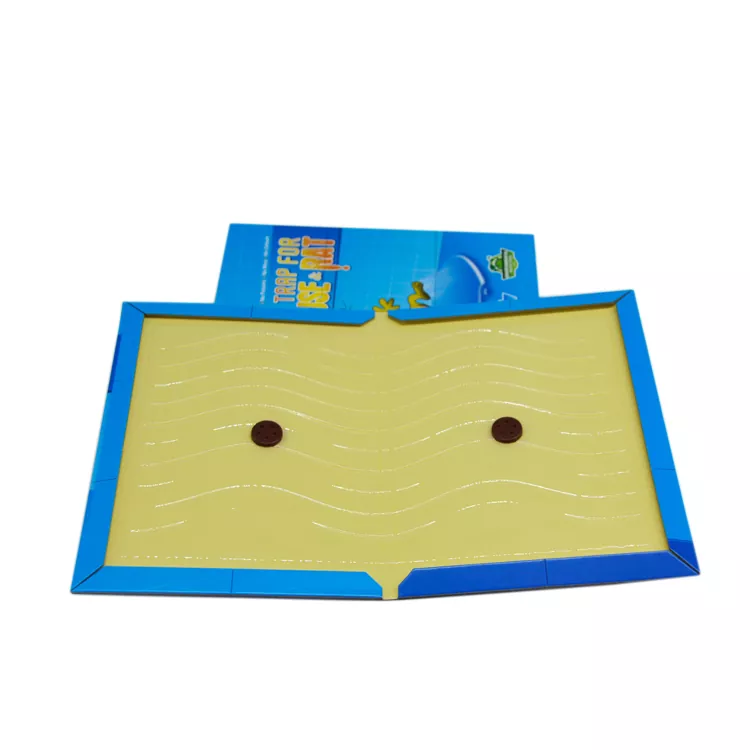
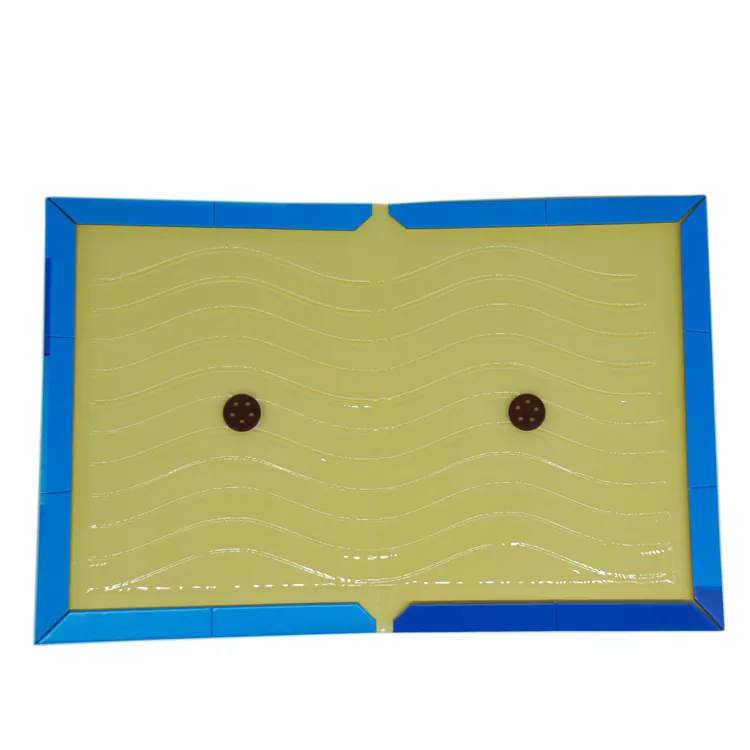
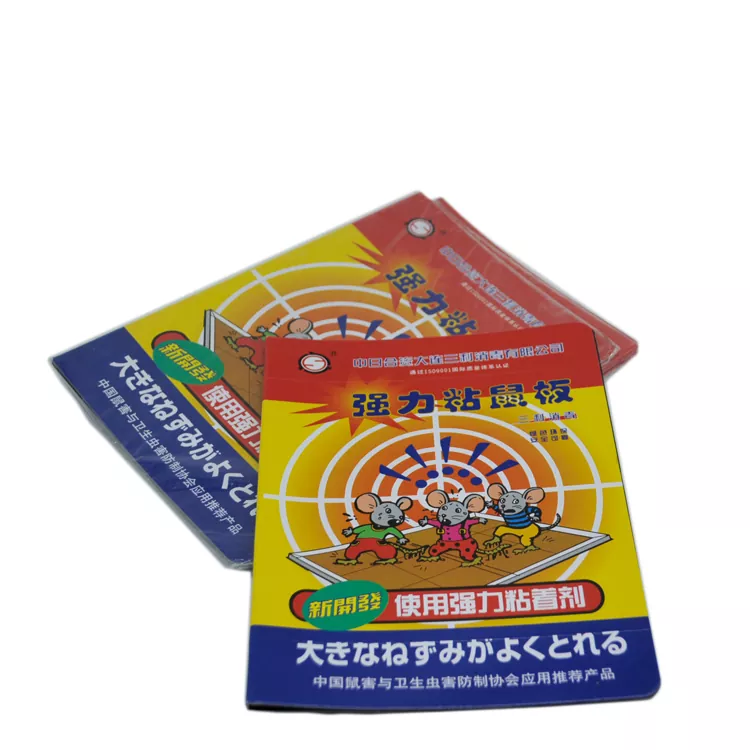
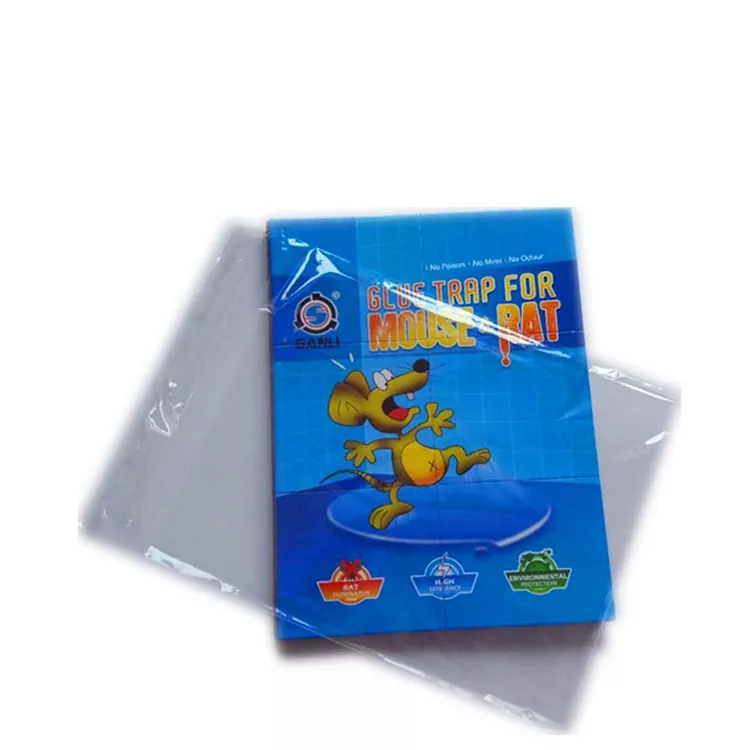
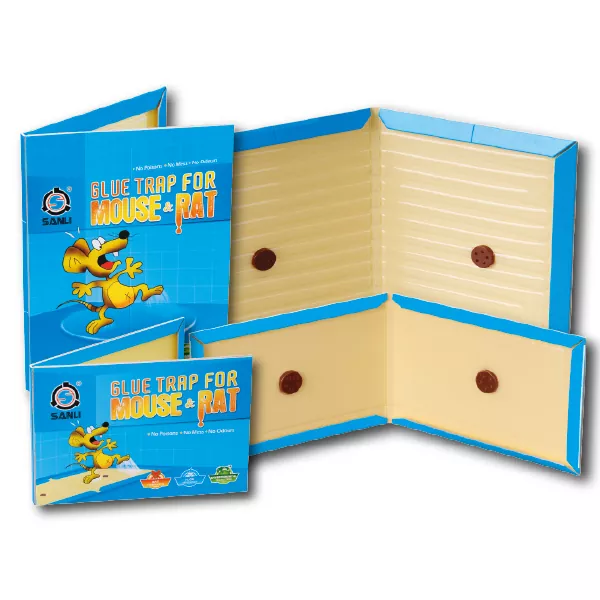
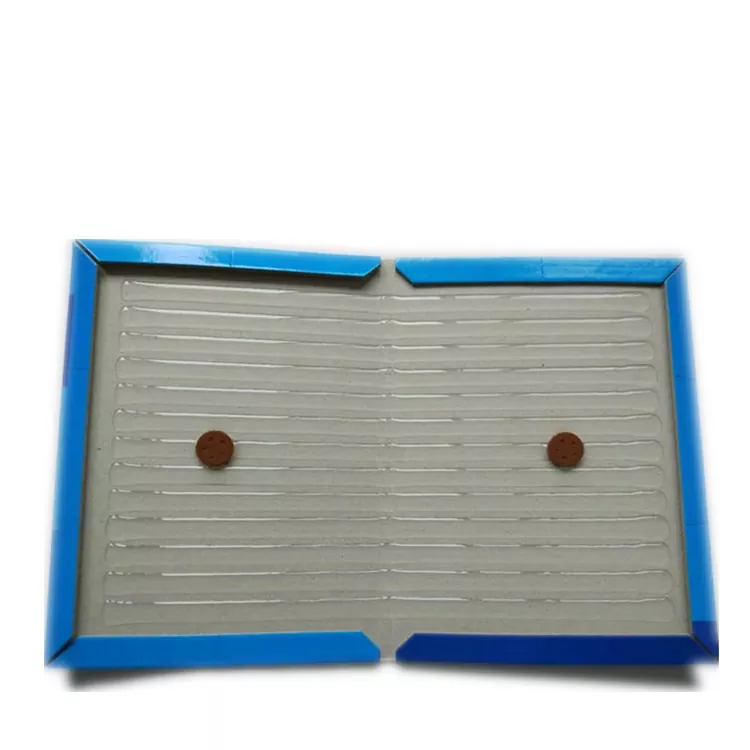
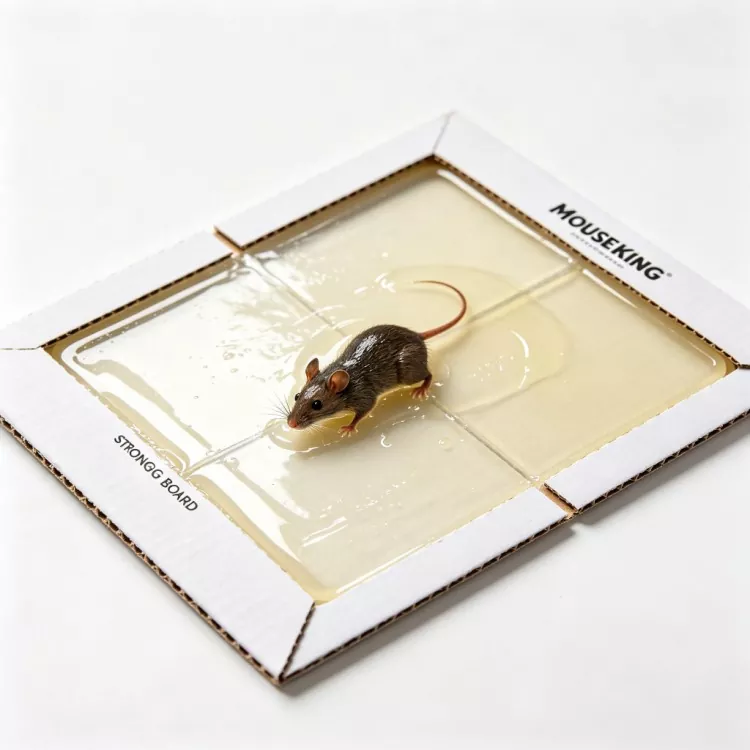
An indoor glue board built on a thin paper base with a water-based adhesive rather than a solvent-based glue. The Indoor Mouse Glue Trap is ultra-flat, has no spring or snap mechanism and carries a foldable positioning tab at the edge. It is made by Dalian Golden-Cat Rodenticide Co., Ltd. for pest control companies, commercial property management, catering chains and supermarket warehouse operators. Board size, tab design, pack count and print can be specified for OEM orders. Samples and an adhesive composition statement are available on request.

Product Data

Product Indoor Environmental Mouse Glue Trap
Base Degradable paper board
Adhesive Water-based, non-drying pressure-sensitive glue, no pesticide active ingredient
Board form Ultra-flat board with foldable positioning tab
Board size Compact flat format; custom dimensions available
Target pests Mice and small rodents
Pack format Customizable; confirm count on the purchase order
Storage Sealed, cool and dry; shelf life stated on the label
Documents Adhesive composition statement, base material statement, export paperwork

Water-Based Glue and Solvent Glue

The adhesive is the part of this board that differs from a standard glue trap. Most glue boards use a solvent-based or hot-melt adhesive. This one uses a water-based glue.

The practical difference is in the volatile content. A solvent-based adhesive releases organic compounds as it cures and can carry a noticeable odor in a closed room. A water-based adhesive releases mainly water during drying and has a much lower volatile content once the board is sealed and opened. That is the reason this board is positioned for closed indoor spaces such as hotel rooms, offices, classrooms and wardrobes.

The trade-off is tack under extreme conditions. A water-based glue performs well at normal indoor temperature and humidity. In a cold room, an unheated warehouse in winter or a very dry space, tack can drop faster than with a solvent-based adhesive. For ambient indoor use the difference is small. For cold storage or unheated sites, the adhesive grade should be confirmed before ordering.

The board is not odorless in an absolute sense. A newly opened board can carry a faint paper and glue smell for a short period. It does not carry the solvent smell associated with some traditional boards, and it does not leave a chemical residue on the floor.

What "Degradable" Covers

The paper base is described as degradable. That claim applies to the base, not to the whole board after use.

· The paper base. Made from degradable paper material and recyclable in principle as paper fibre.

· The adhesive layer. Not degradable in a compost or paper recycling stream. It remains on the board after use.

· The captured rodent. Not part of any recycling or composting route.

A used board therefore goes to general waste, not to a compost heap and not to a paper recycling bin. The degradable base reduces the long-term burden of the paper component in landfill. It does not make the used board a compostable item. Buyers should not present the product as fully compostable, because that claim will not hold when a customer tries it.

Thin Board and the Gaps It Fits

The Indoor Mouse Glue Trap is ultra-flat, with no tray wall and no tent roof. That shape is chosen for positions where a tray or a tent will not fit.

· Cabinet gaps. The space under a kitchen cabinet, behind a kickboard or between a fridge and a wall is often only a few centimetres high. A plastic tray will not slide in. A thin board will.

· Wall edges and pipe runs. A board can lie flat along a skirting board or a pipe without a raised edge lifting it off the floor.

· Under low furniture. Sofas, beds, shelving units and pallets sit close to the floor. A flat board slides underneath without lifting the furniture.

· Shelf and drawer bottoms. In a stockroom or a wardrobe, a flat board lies on the shelf surface without a tray edge catching on stored items.

The thin form has a limitation. It offers no roof, so dust settles directly on the glue. In a dusty warehouse or a flour store, a flat board loses tack faster than a tent board. The flat form suits clean indoor positions. For dusty positions, a folded or covered format is the better choice.

The Fold Tab and Drag-Off

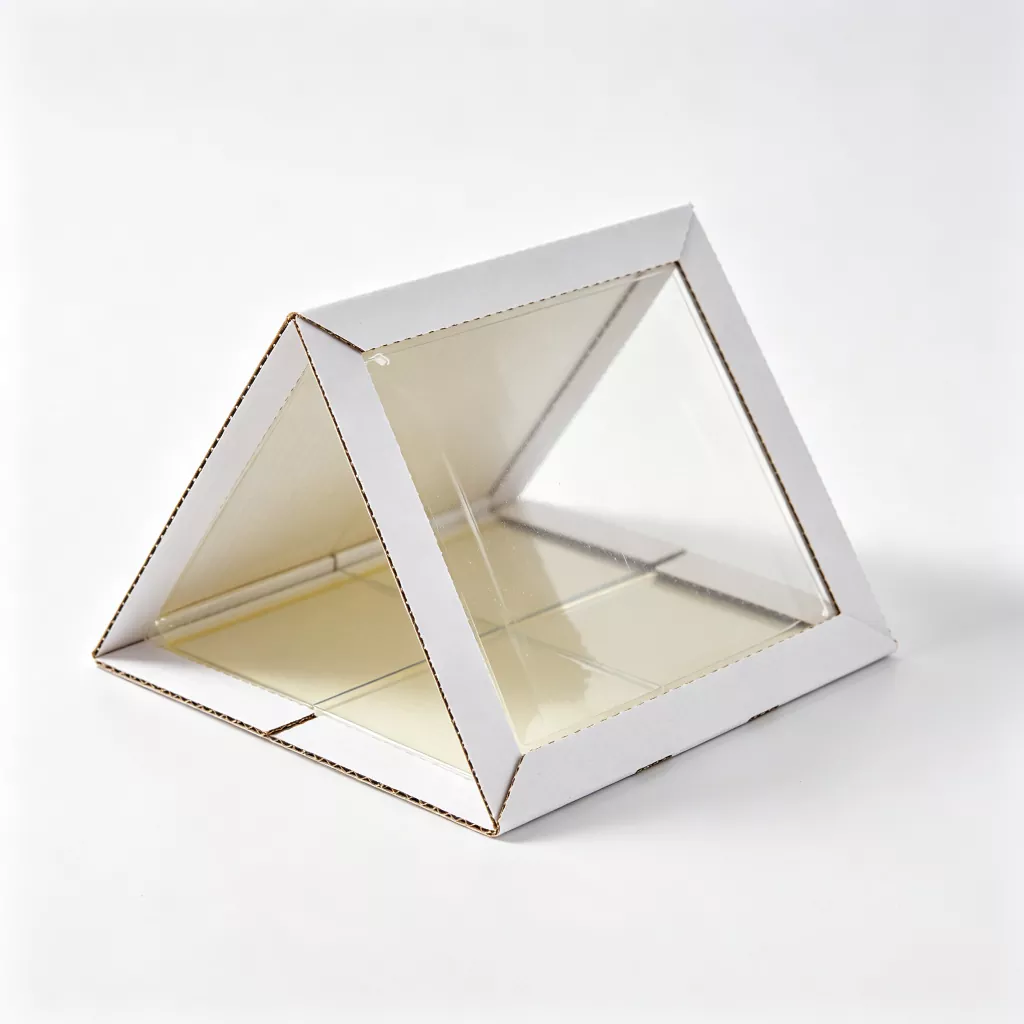
The foldable positioning tab at the edge is a small detail with a specific function. It is not a tent and it does not cover the glue.

The tab folds down or outward to create a lip that sits against a wall, a cabinet base or a pipe. The board is then held in position rather than lying loose on the floor. A loose board can be dragged by a captured mouse, pulled under an appliance or pushed out of the runway. A board with the tab engaged stays where it was placed.

The tab also helps with placement consistency in a multi-site program. A technician can align the tab against a wall edge, which gives the same board orientation at every point. That matters when a chain operation wants the same placement standard across many rooms.

The tab is not a lock and not a tamper-resistant feature. It does not make the board a bait station. Where local rules require a tamper-resistant station, the board must be placed inside a proper station.

Indoor Service Life

The board is designed for long-term placement in closed indoor spaces. Long-term does not mean indefinite. The glue changes over time even when the board is untouched.

· Dust. A thin film of dust on the surface reduces tack before the board is full. In a clean office this is slow. In a store room or a workshop it is faster.

· Air flow. A board placed in a draught or near a fan dries at the edges and loses tack sooner.

· Temperature. Normal indoor temperature is the design condition. Near a radiator, a heater or a sunny window, the glue softens and the board may become messy to remove.

· Humidity. High humidity softens the paper base and can cause the board to curl at the edges, lifting the glue away from the floor.

Check the board at each service visit. Replace it when the surface is covered, when dust or moisture has settled on the glue, or when the adhesive no longer feels tacky through a gloved finger. In a maintenance program, a fixed replacement interval is more reliable than a visual check alone, because a board can look clean and still have lost tack.

Safety Boundaries at Home

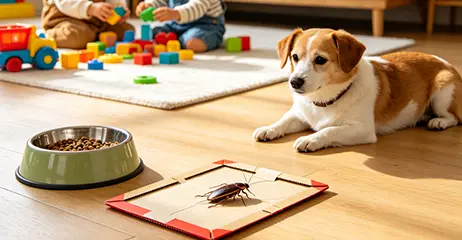
The board contains no pesticide active ingredient and uses a water-based glue. That reduces the chemical risk. It does not remove every risk in a home with children or pets.

· Adhesive on fur and hair. A pet or a child that touches the board will carry the glue onto fur, hair or clothing. It is difficult to remove and usually requires oil or a specialist remover. Place the board where a paw or a hand cannot reach it.

· Paper and film. The release paper and any shrink wrap are a choking and suffocation risk for small children. Dispose of packaging immediately.

· Live capture. A live rodent on a board requires a handling decision. Follow local animal welfare rules and the site policy. Do not leave a live animal on the board for an extended period and do not let a child or pet investigate it.

· Local rules. Some countries and states restrict or ban glue board use on animal welfare grounds, and the rules can change. The buyer confirms that the product is permitted in the destination market.

Chain Supply and Batch Consistency

For a catering chain, a hotel group or a supermarket operator, the board is a consumable issued across many sites. Two things matter more than the unit price.

Batch consistency. The adhesive weight and the board thickness should be the same from carton to carton, so that a technician working across sites gets the same result in each room. Batch testing of adhesive strength is part of the production process, and a certificate of analysis can be supplied with an order.

Pack format for distribution. A chain that issues boards to site staff needs a pack that can be broken down without damaging the remaining boards. A PCO that carries boards in a van needs a pack that stacks flat. The pack count and the carton configuration should be confirmed on the purchase order rather than assumed from an older catalogue.

Private label print, board size and tab design are available for chain accounts and distributors. Multi-language label text can be supplied for markets where the packaging is read by site staff rather than by a pest control professional.

Ordering Summary

Production site Dalian Golden-Cat Rodenticide Co., Ltd., Dalian, China
OEM options Board size, tab design, pack count, label print and brand
Order threshold Negotiable by pack format and destination market
Production lead time Confirm at order stage; varies with print and pack format
Shipment ports Shanghai / Ningbo
Trade terms FOB / CIF / DDP
Payment terms T/T, L/C
Carton configuration Confirmed on the purchase order

Buyer Questions

Is the water-based glue weaker than a solvent-based glue?
At normal indoor temperature and humidity the difference in capture performance is small. The water-based glue is weaker in cold rooms, unheated warehouses and very dry spaces. For ambient indoor use it is the correct grade. For cold storage, confirm a low-temperature adhesive grade before ordering.

Can the used board be composted because the base is degradable?
No. The paper base is degradable in principle, but the adhesive and the captured rodent are not. A used board goes to general waste, not to a compost heap or a paper recycling bin. The degradable base reduces the paper component in landfill. It does not make the used board compostable.

Does the fold tab make the board tamper-resistant?
No. The tab holds the board against a wall or a cabinet base so it cannot be dragged out of position. It is not a lock and does not make the board a bait station. Where local rules require a tamper-resistant station, the board must be placed inside one.

Can the board be used under a fridge or a cabinet?
Yes, that is one of the positions the thin flat form is designed for. The board slides into a low gap where a plastic tray will not fit. Check that the gap is clean and dry before placing the board, because dust and moisture on the glue reduce capture.

How often should the board be replaced in a long-term indoor placement?
Replace on a fixed interval set by the site, and check the surface at each visit. In a clean office or hotel room, the interval can be longer. In a store room, a workshop or a position near a heat source, it should be shorter. A board that looks clean can still have lost tack, so the interval matters as much as the visual check.

Is RoHS or REACH relevant to this product?
RoHS applies to electrical and electronic equipment, so it does not apply here. For REACH, the relevant document is an adhesive composition statement and, where required by the buyer, a substance declaration for the adhesive and the paper base. These can be supplied on request.

Can the board be sold as safe for children and pets?
The board contains no pesticide active ingredient, which reduces chemical risk. It is not risk-free. The adhesive sticks to fur, hair and clothing, the packaging film is a suffocation risk, and a live captured rodent requires careful handling. Label wording should describe these limits rather than state that the product is safe without qualification.

Send Inquiry
Contact Info
Send your inquiry to Golden Cat for factory price, OEM customization, samples and bulk orders of glue traps, rodenticides and insect bait products.
Rating:
5.0
X
We use cookies to offer you a better browsing experience, analyze site traffic and personalize content. By using this site, you agree to our use of cookies. Privacy Policy
RejectAccept