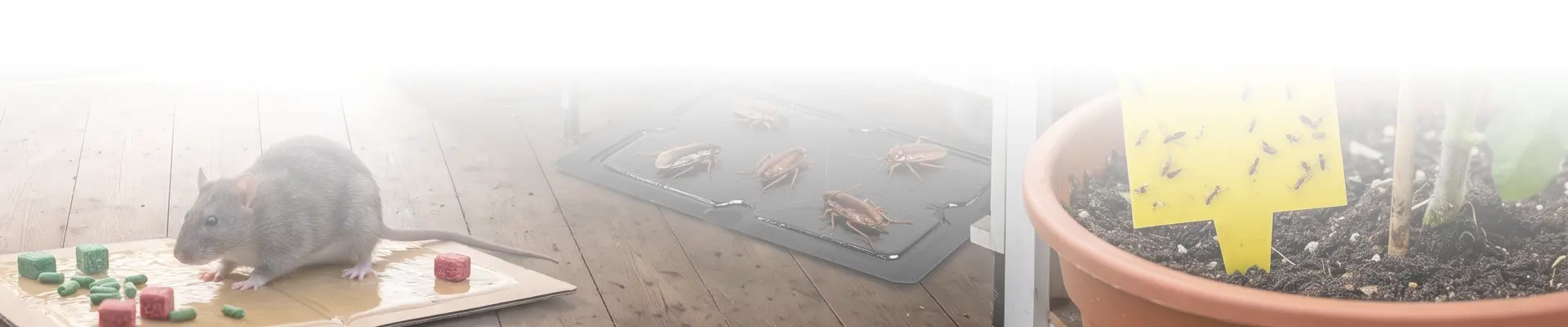
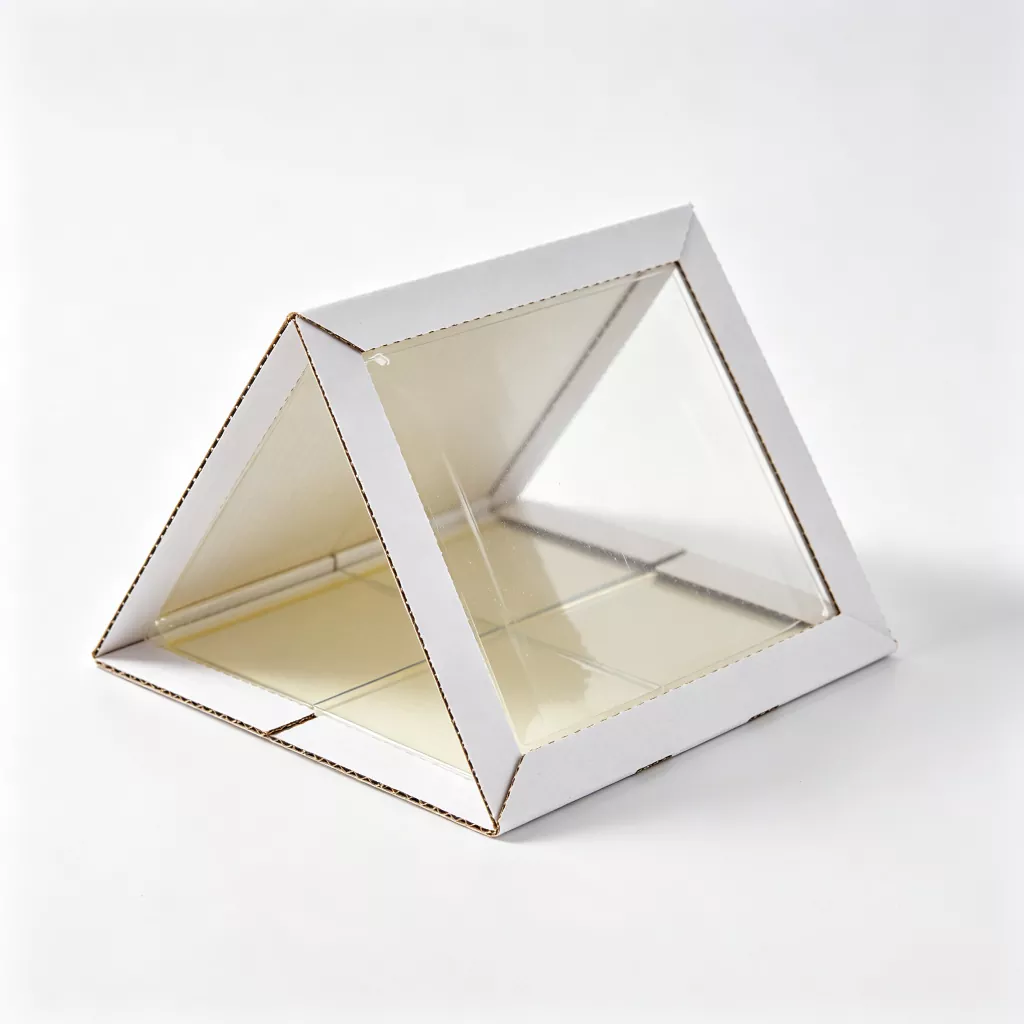
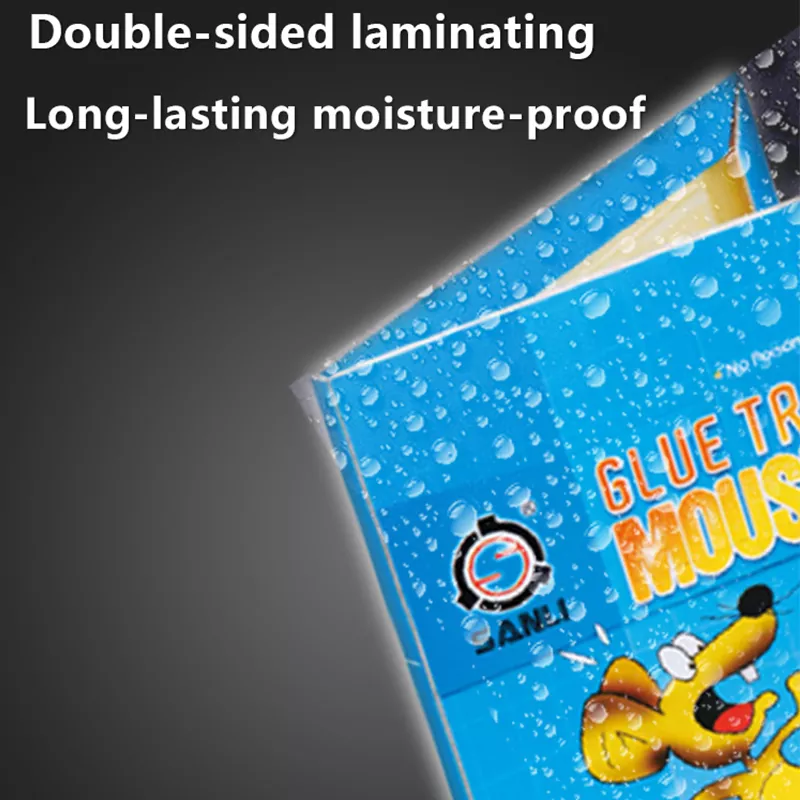
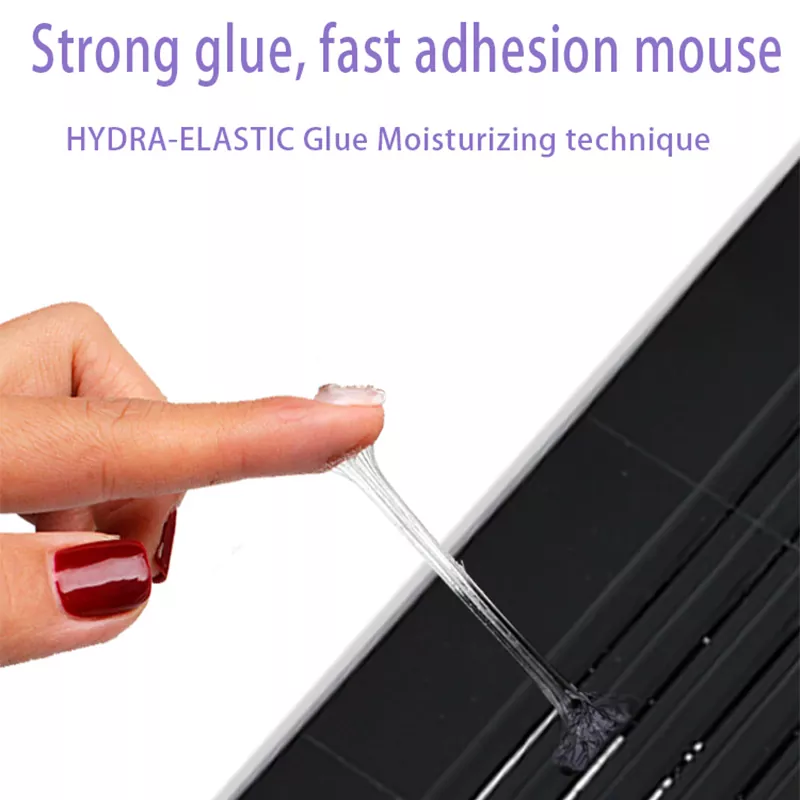
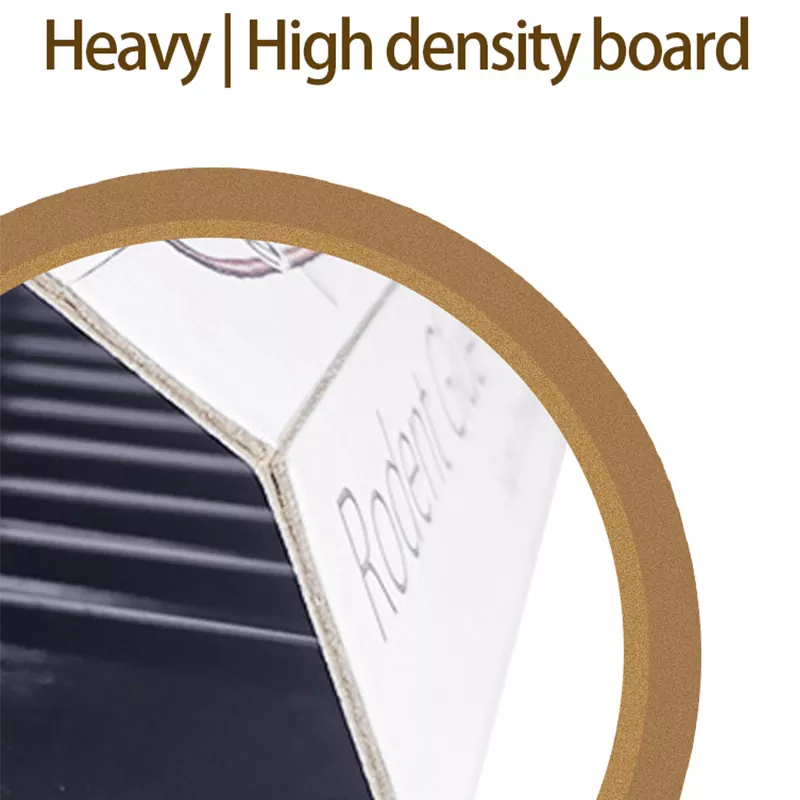
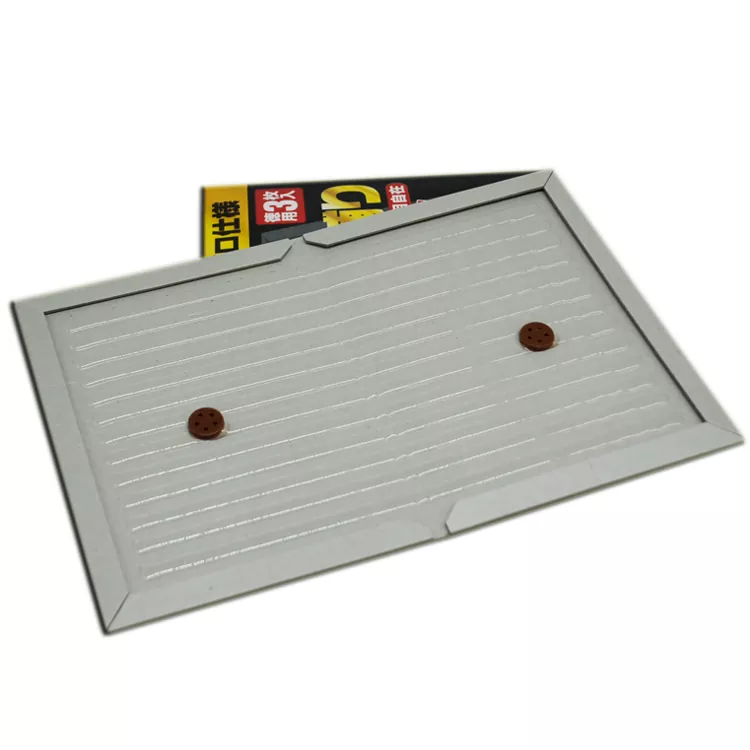
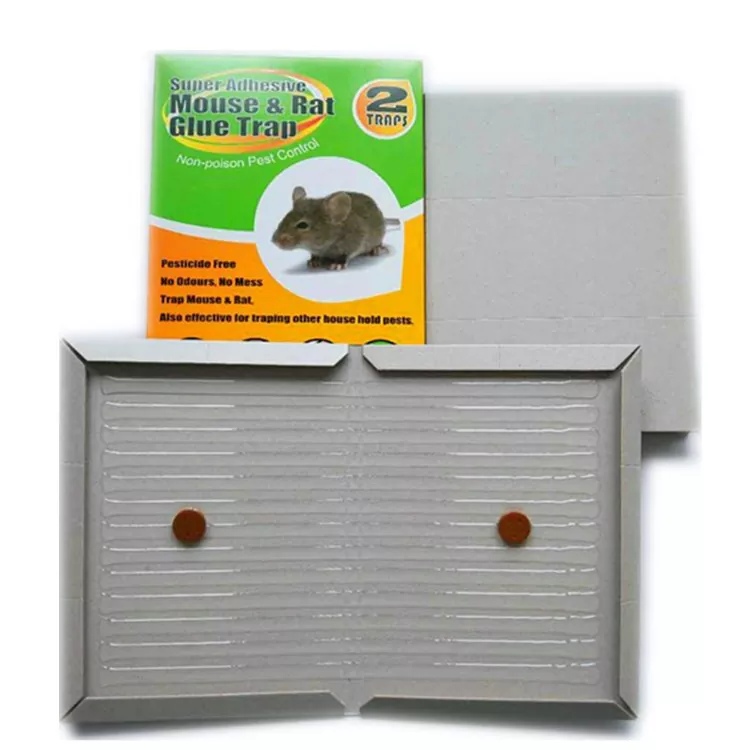
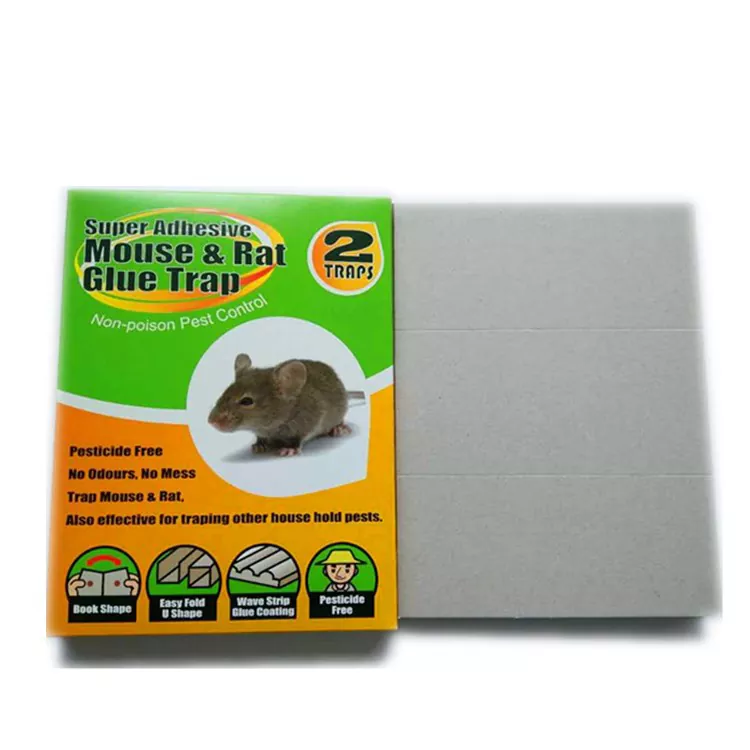
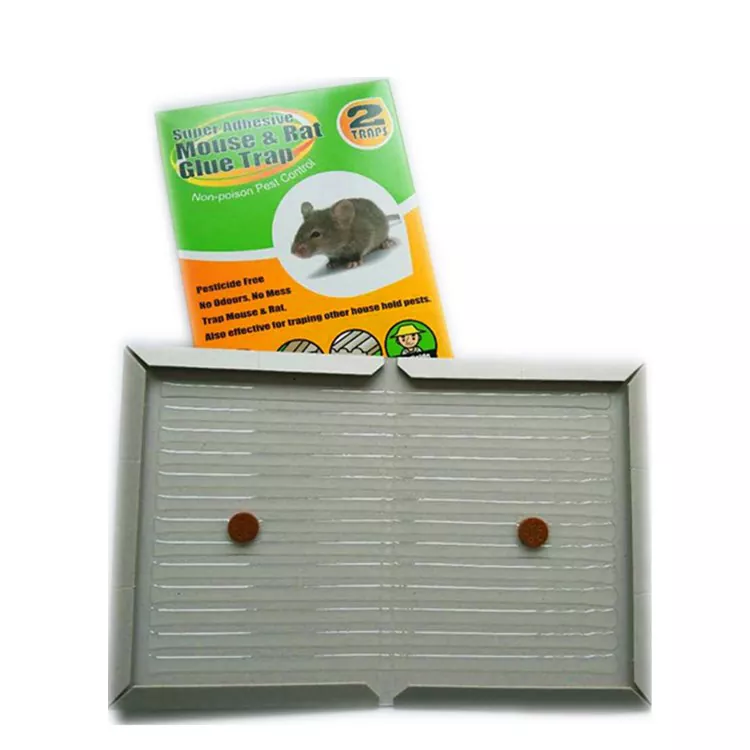
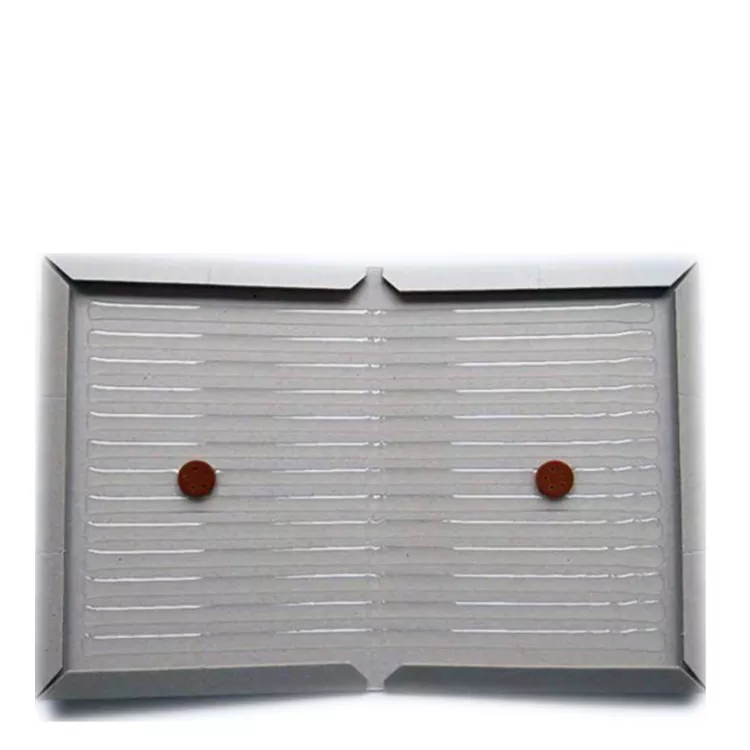
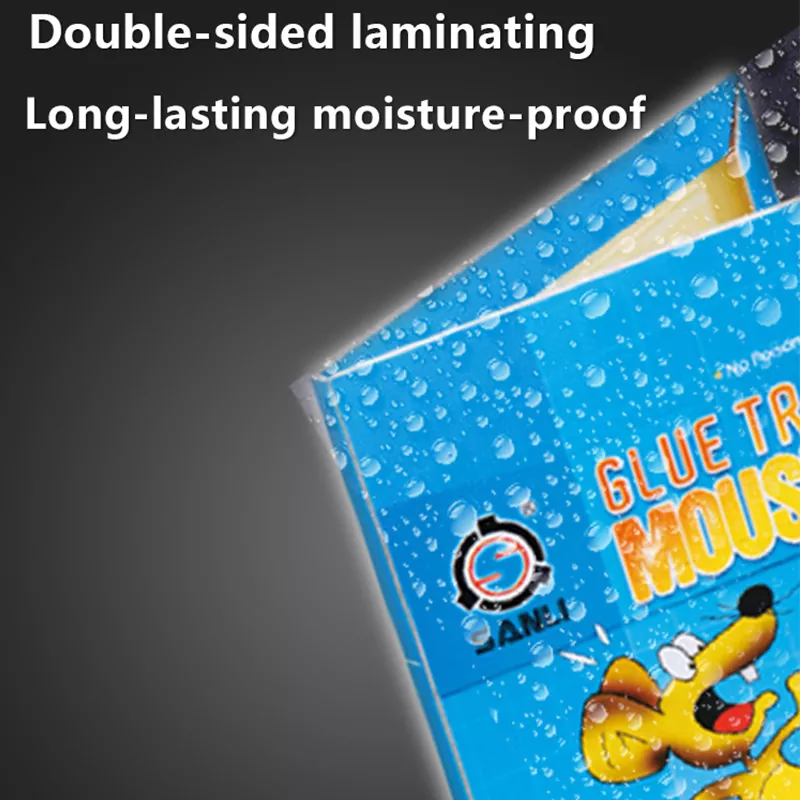
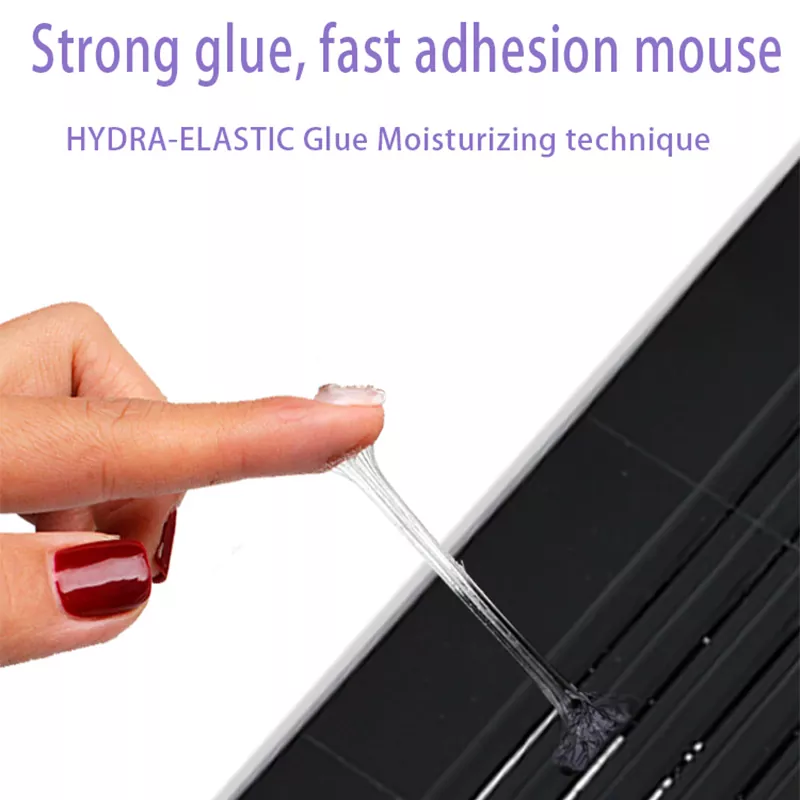
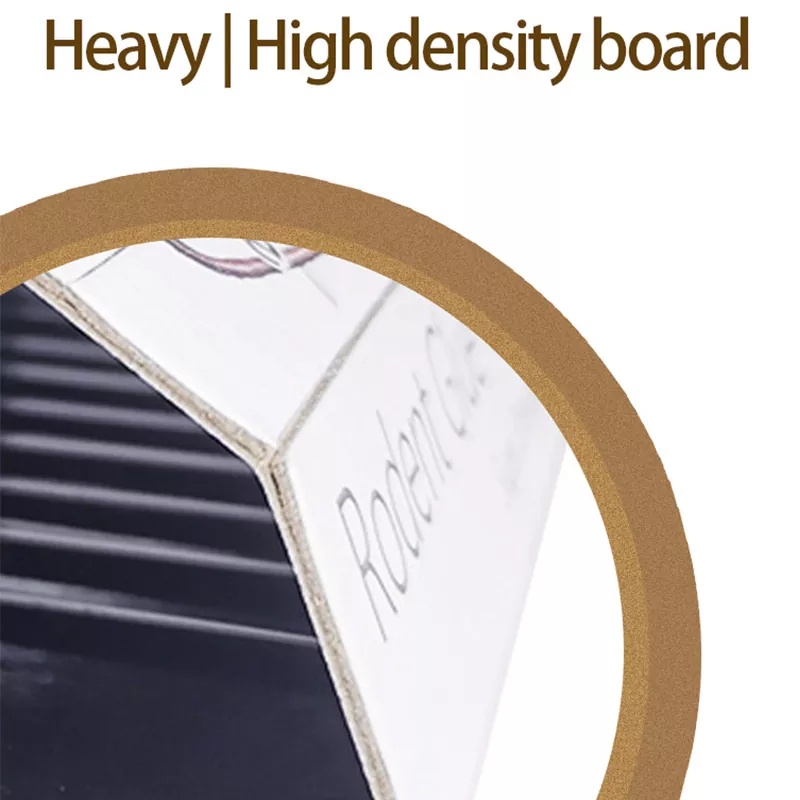
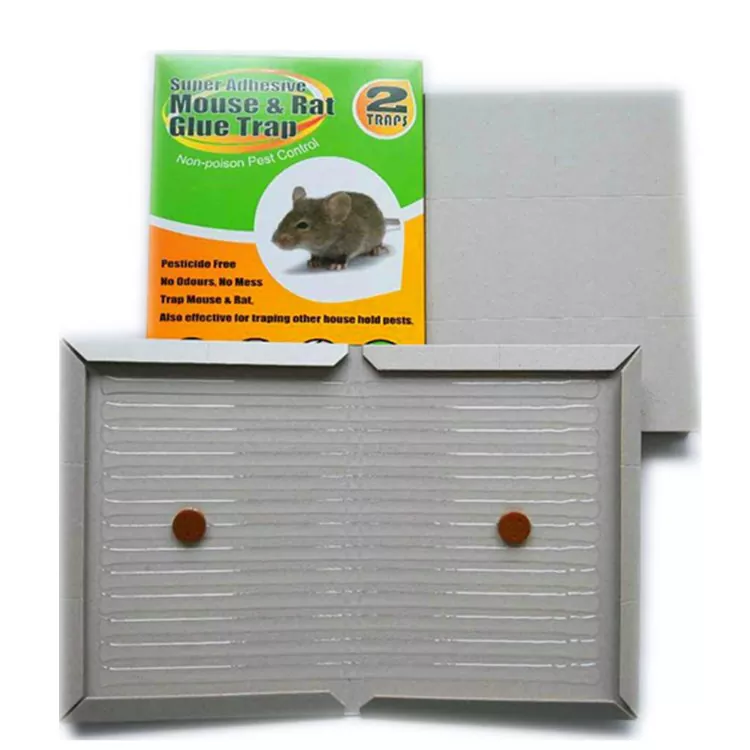
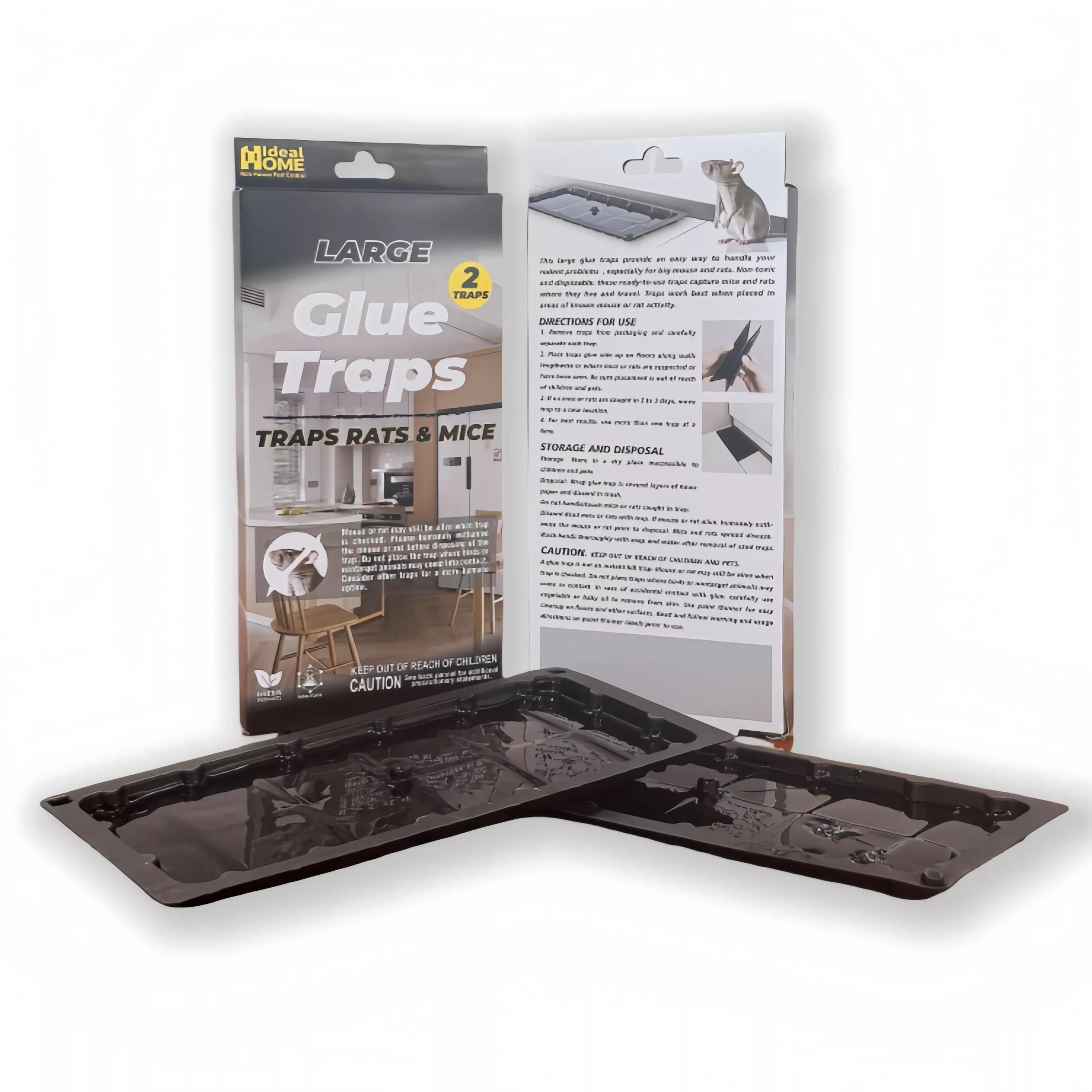
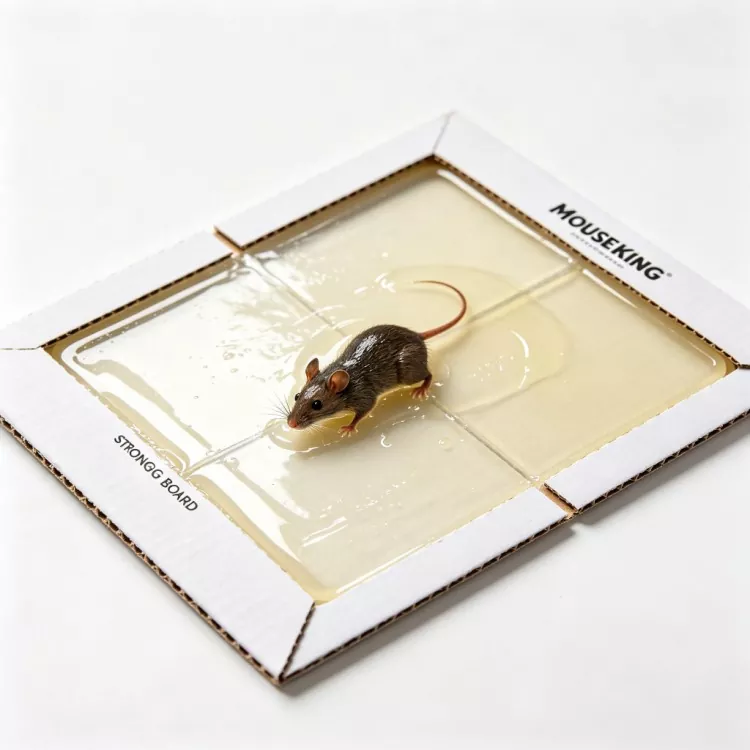
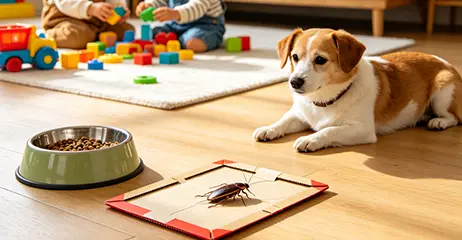
Our Disposable Eco Mouse Glue Trap is a professional-grade rodent monitoring and capture solution designed for commercial pest control operators, facility managers and wholesale distributors. Manufactured with eco-friendly cardboard and non-toxic, high-viscosity adhesive, this ready-to-use glue board provides effective rodent control without the need for poison bait or mechanical traps. The foldable tent-style design protects the adhesive surface from dust and debris, extending service life in demanding commercial environments.
A 33 × 21.5 cm cardboard glue board that folds into a tent or sits flat, made by Dalian Golden-Cat Rodenticide Co., Ltd. for PCOs, facility suppliers and wholesale distributors. The Disposable Eco Mouse Glue Trap uses recycled card as the base and a non-drying adhesive on the inner surface. The tent fold keeps dust off the glue and reduces the chance of accidental contact during placement. Board size, card print and pack format can be specified for OEM orders. Samples and an adhesive composition statement are available on request.
Trap Data
Product
Disposable Eco Mouse Glue Trap
Base
Recycled cardboard
Adhesive
Non-drying pressure-sensitive adhesive, no pesticide active ingredient
Board size
33 × 21.5 cm
Form
Flat or folded into a tent
Target pests
Mice, small rats, cockroaches, spiders and other crawling insects
Pack format
1 pc shrink-wrapped; 100 pcs per carton
Shelf life
24 months sealed, cool and dry
Documents
Adhesive composition statement, card material statement, export paperwork
Cardboard and Plastic Boards
The base decides where the board can be used, not how well the glue works. The adhesive on a card board and on a plastic tray is the same class of non-drying glue.
Cardboard is lighter, cheaper per unit and folds. A flat card board can be folded into a tent without a separate cover, which a rigid plastic tray cannot do. That fold is the main functional reason to choose card over plastic.
The limitation is moisture. Card absorbs water at the edges, softens and loses stiffness. On a damp floor, in a wet basement or in a room that is washed down, a card board will deform before the adhesive fails. A plastic tray holds its shape in the same position. For dry indoor placement, card is sufficient. For wet or wash-down areas, plastic is the correct base.
The recyclable claim needs a boundary. The card base is recyclable. The adhesive and the captured animal are not. A used board goes to general waste, not to a paper recycling stream. The product is made from recycled card, but it is not a compostable or fully recyclable item after use.
What the Tent Fold Does
Folding the board into a tent changes three things at the point of use.
Dust protection. The glue faces inward and the card roof keeps dust, flour and light debris off the surface. In a warehouse, a feed store or a bakery, a flat board loses tack to dust within days. A tent board lasts longer in the same position.
Accidental contact. A flat board with exposed glue is easy to step on, kneel on or touch with a hand during cleaning. A tent board presents card on the outside and glue on the inside. Staff and cleaning crews are less likely to contact the adhesive.
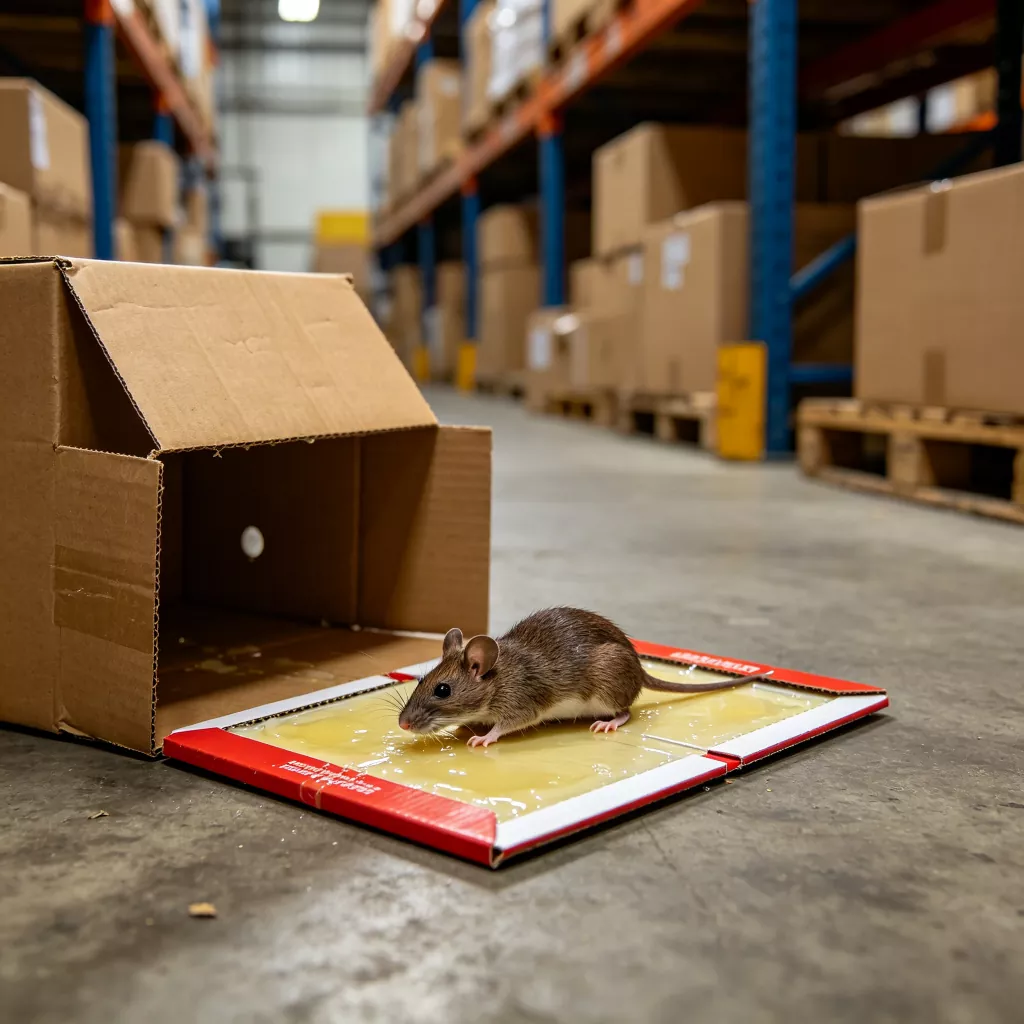
Rodent behavior. Mice and small rats enter an enclosed space more readily than they cross an open surface. The tent creates a short tunnel along a wall. The board still works flat, but the tent form is usually more effective along a runway.
The tent is not a bait station. It is a folded card board with no lock, no tamper resistance and no key. In a food facility or a public building, a proper tamper-resistant station is required where regulations call for one. The tent fold is a dust and contact measure, not a security measure.
Flat or Tent
Both forms are valid, and the choice depends on the position.
· Tent along a wall. The standard placement. The fold sits against a baseboard or a pipe run, with the open ends facing the direction of travel.
· Flat under low furniture. Under an appliance, a pallet or a low shelf, the tent may not fit. A flat board slides into the gap.
· Flat in a corner. A corner has two walls and no clear runway. A flat board placed diagonally across the corner catches rodents moving along either wall.
· Tent in a dusty area. Any position where dust settles favors the tent, because the glue is protected.
The board should not be folded and unfolded repeatedly. Each fold weakens the card crease. Fold it once at placement and leave it in that form until replacement.
Placement Notes
· Peel the release paper before folding. It is harder to remove once the tent is closed.
· Place the long edge against a wall, a cabinet base or a pipe run. Mice move along edges.
· Put boards in corners, behind appliances, under shelving and near entry points.
· Do not place a card board on a wet floor or in a position where water will pool under it.
· In a food area, place the board inside a covered station or in a hidden position, not on an open food-contact surface.
· Check daily in an active infestation and weekly in a maintenance program. Replace when the surface is covered, contaminated or no longer tacky through a gloved finger.
Handling and Disposal
· Handle a used board with gloves. Do not touch the adhesive or a captured animal with bare hands.
· Fold the tent closed or place the board in a sealed bag before removal.
· Dispose of it as general waste. Do not put a used board in a paper recycling stream.
· In a food facility, remove the board from the production area before bagging it.
· A live captured animal requires a handling decision. Follow local animal welfare rules and the site’s pest management policy. Do not leave a live animal on the board for an extended period.
· Check local rules before sale or use. Some countries and states restrict or ban glue board use on animal welfare grounds, and the rules can change. The buyer confirms that the product is permitted in the destination market.
Packing and Carton
The standard unit is one board in shrink wrap. The export carton holds 100 boards. This format suits PCOs who issue boards to technicians, distributors who break cartons for smaller orders, and facility buyers who store boards on site.
Alternative pack counts, card print, board size and private label artwork are available for OEM orders. The carton configuration can be adjusted for e-commerce and marketplace inbound requirements. Confirmed pack counts should be written into the purchase order.
Ordering Details
Production site
Dalian Golden-Cat Rodenticide Co., Ltd., Dalian, China
OEM options
Board size, card print, pack count and brand
Order threshold
1,000 pcs standard; trial orders negotiable
Production lead time
7 to 15 days for standard; 20 to 30 days for custom OEM
Shipment ports
Shanghai / Ningbo
Trade terms
FOB / CIF / DDP
Payment terms
T/T, L/C
Carton configuration
100 boards per carton, shrink-wrapped individually
Buyer Questions
Is the adhesive weather-resistant if the board is cardboard?
The adhesive resists normal indoor humidity, but the card base does not. In a damp room or on a wet floor, the board softens before the glue fails. The product is for dry indoor positions. A plastic tray is the correct base for wash-down or wet areas.
Can the board be composted after use?
No. The card base is made from recycled material and is recyclable in principle, but the adhesive and the captured animal are not. A used board goes to general waste, not to a compost heap or a paper recycling bin.
Does the tent fold make it a tamper-resistant station?
No. The tent is a dust and contact measure. It has no lock and no tamper resistance. Where local rules require a tamper-resistant station, the board must be placed inside a proper station, not used as a stand-alone tent.
Is 33 × 21.5 cm large enough for a rat?
It is sized for mice and small rats. A large rat may pull free. For heavy rat pressure, use a larger board, a snap trap or a baiting program. The board is best used as part of a mixed program, not as the only rat control measure.
Can the board be used in a cold store?
The standard adhesive is formulated for ambient indoor temperatures. In a cold room or freezer, tack drops and capture is unreliable. A low-temperature adhesive grade should be specified before use in cold storage.
Is RoHS applicable to this product?
No. RoHS applies to electrical and electronic equipment. This product is card, adhesive and release paper. An adhesive composition statement and a card material statement are the relevant documents.
Why does the carton hold 100 boards when some catalogue versions list a different quantity?
Pack counts have changed between catalogue versions. The current standard is one board per shrink wrap and 100 boards per carton. Confirm the count on the purchase order before production, because the carton configuration is set at that stage.
We use cookies to offer you a better browsing experience, analyze site traffic and personalize content. By using this site, you agree to our use of cookies. Privacy Policy